How a 1996 cult classic turned Roald Dahl's dark humor into a cinematic masterpiece
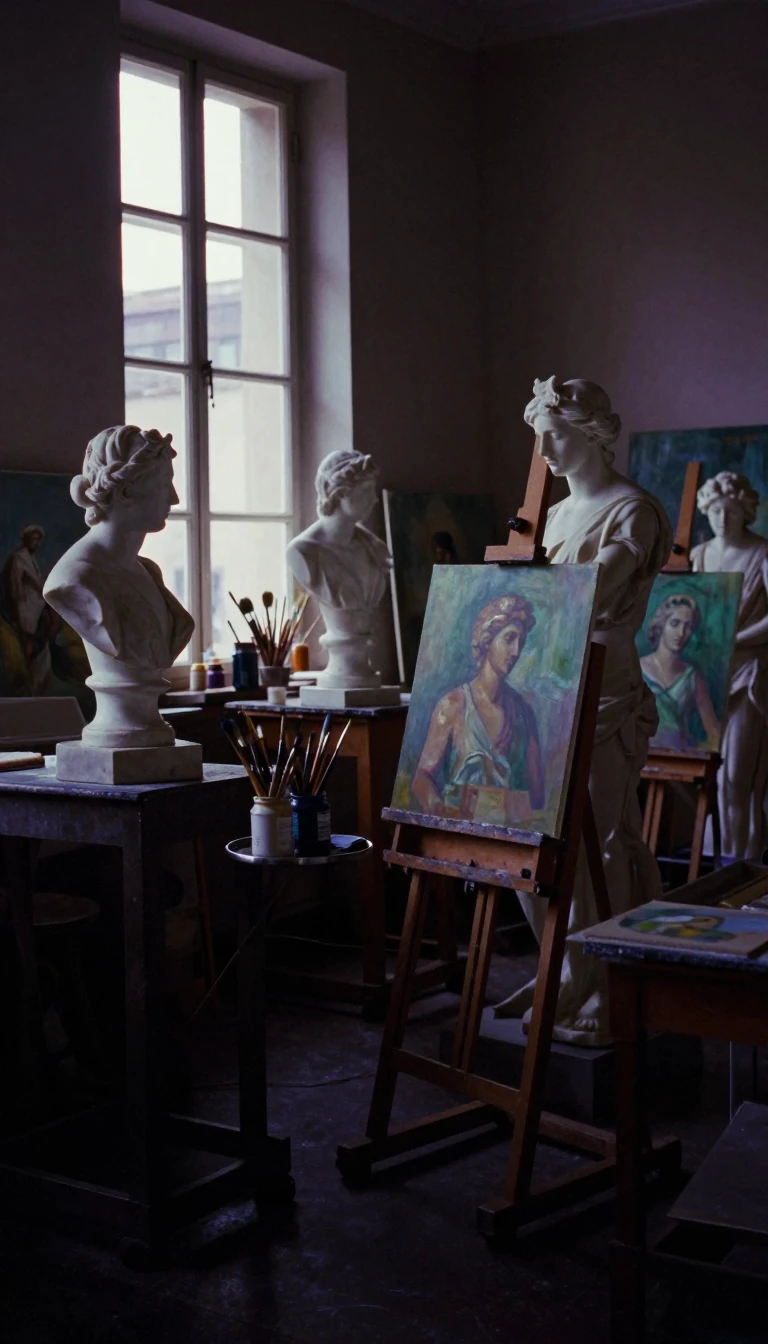
In short: Danny DeVito’s adaptation of Matilda is a strange, charming, and surprisingly faithful take on Roald Dahl’s beloved novel. While it initially struggled to find its footing at the box office, the film’s unique visual style and heart eventually cemented its status as a cherished staple of home cinema.
The production of the 1996 film was marked by both creative ambition and personal tragedy. Director Danny DeVito, working from a screenplay by Nicholas Kazan and Robin Swicord, employed wide-angle lenses and exaggerated perspectives to mirror the aesthetic of Terry Gilliam. This visual approach helped capture the whimsical yet menacing tone of the source material. However, the set was not without its perils; Pam Ferris, who portrayed the tyrannical Agatha Trunchbull, suffered multiple injuries, including a finger laceration caused by the centrifugal force of a stunt involving a student’s pigtails.
Behind the scenes, the film was deeply affected by the illness of Mara Wilson’s mother, Suzie Wilson, who was diagnosed with breast cancer during production. She passed away in April 1996, just months before the film’s August release. DeVito ensured she saw the final edit of the film, and the project was ultimately dedicated to her memory. The casting process was equally competitive, with Universal Pictures winning the rights in a heated 1993 bidding war before the project eventually moved to TriStar Pictures due to budgetary disagreements.
Critical reception was largely positive, with the film earning an 89% approval rating on Rotten Tomatoes. Critics like Roger Ebert praised the film’s ability to balance the ridiculousness of its villains with the genuine emotional resonance of a child feeling neglected by her parents. While it grossed $47 million against a $36 million budget, its true legacy was built on home video, where it found a massive, enduring audience. Today, the film remains a testament to the collaborative effort of its cast and crew, including the subtle nod to its author: the portrait of Miss Honey’s father, Magnus, is actually a picture of Roald Dahl himself.
Opens the Intellect+ feed with this card first. Swipe up for the next one.
Sources
- Summary by Intellect · source: Matilda (1996 film)
To cite this card, link to https://intellectplus.co.uk/app/entertainment-matilda-1996-film.
How we source, check and correct cards: Editorial standards.
General information, not professional advice. Spotted an error? Flag the card or see corrections and complaints.
Intellect Plus is a visual educational discovery platform for exploring fascinating facts and ideas. Brain Food, Not Brain Rot. What is Intellect Plus?
Related
More in Films · More in Entertainment · Latest · A–Z · All topics
