How a tiny budget Russian thriller became a global supernatural blockbuster phenomenon
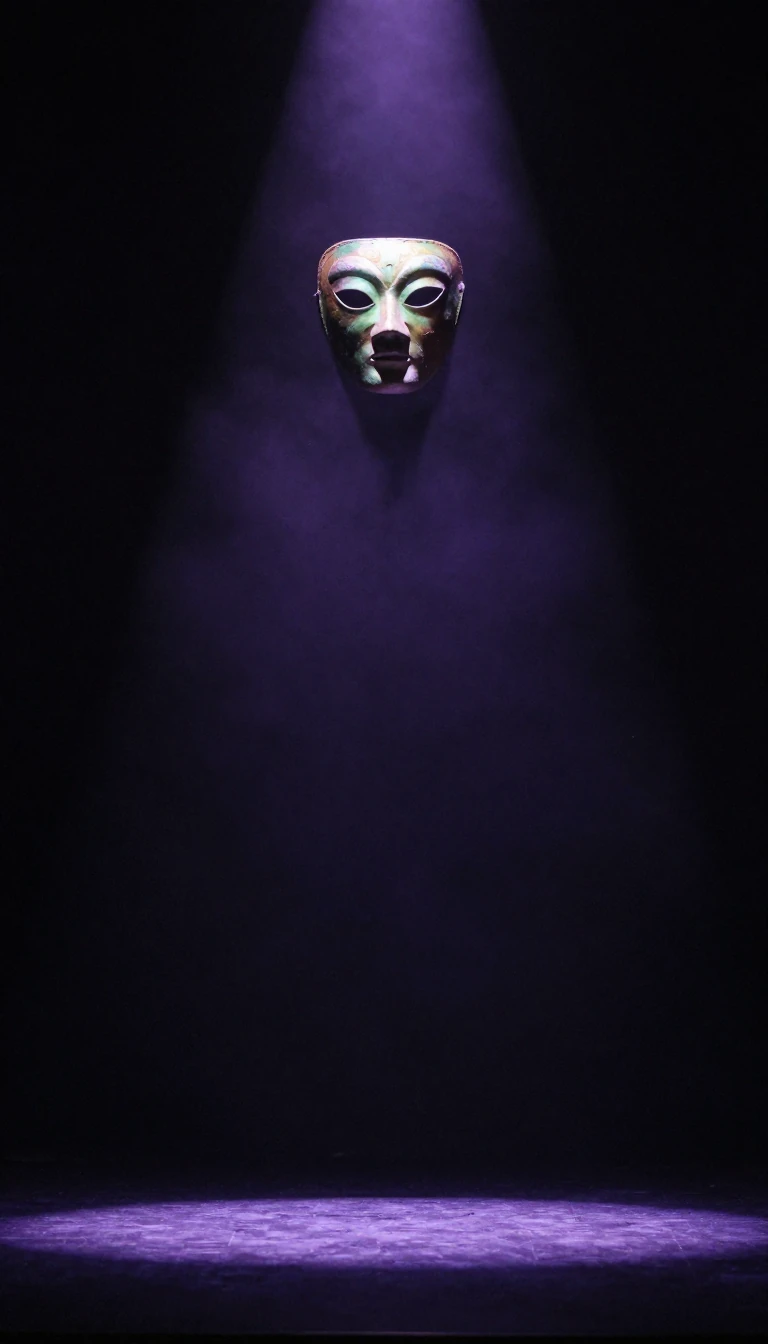
In short: Before it became the highest-grossing Russian film in history, Night Watch was a stalled project with a mere 50,000 dollar budget. Its transformation into a visual effects powerhouse redefined post-Soviet cinema, blending gritty Moscow aesthetics with an innovative, stylized approach to subtitles that captivated international audiences and major directors alike.
The 2004 film Night Watch emerged from the ruins of the Soviet film industry as a landmark supernatural thriller. Directed by Timur Bekmambetov and based on Sergei Lukyanenko’s 1998 novel, the project initially faltered in 2000 due to a minuscule budget. It was only after Channel One acquired the rights and invested 4.2 million dollars that the production gained momentum. The film’s visual ambition required coordinating 16 different Russian studios and various freelancers, who utilized the internet to share data across time zones to create hundreds of complex visual effects shots.
The narrative centers on the eternal conflict between the forces of Light and Dark, represented by the Night Watch and Day Watch police-like factions. The story follows Anton Gorodetsky, an Other who discovers his own son, Yegor, is the subject of an ancient prophecy that threatens to tip the balance of power. This complex, often chaotic plot drew mixed critical reactions; while some reviewers praised its inventive atmosphere and dark, energetic style, others found the dense mythology difficult to follow. Despite this, the film achieved massive success, outperforming the total domestic earnings of major Western fantasy epics in Russia.
The film’s international release involved significant re-editing, resulting in a version nine minutes shorter than the original Russian cut. This international edition famously featured stylized, animated subtitles that interacted with the on-screen action, such as text dissolving like blood in water. 20th Century Fox acquired worldwide distribution rights for 4 million dollars, and the film’s influence reached high-profile directors like Quentin Tarantino and Danny Boyle. Although a third installment, Twilight Watch, was planned, the project was indefinitely shelved after Bekmambetov shifted his focus to other Hollywood productions.
Opens the Intellect+ feed with this card first. Swipe up for the next one.
Sources
- Summary by Intellect · source: Night Watch (2004 film)
To cite this card, link to https://intellectplus.co.uk/app/entertainment-night-watch-2004-film.
How we source, check and correct cards: Editorial standards.
General information, not professional advice. Spotted an error? Flag the card or see corrections and complaints.
Intellect Plus is a visual educational discovery platform for exploring fascinating facts and ideas. Brain Food, Not Brain Rot. What is Intellect Plus?
Related
More in Films · More in Entertainment · Latest · A–Z · All topics
