The visceral boundary between life and death in a Copenhagen morgue
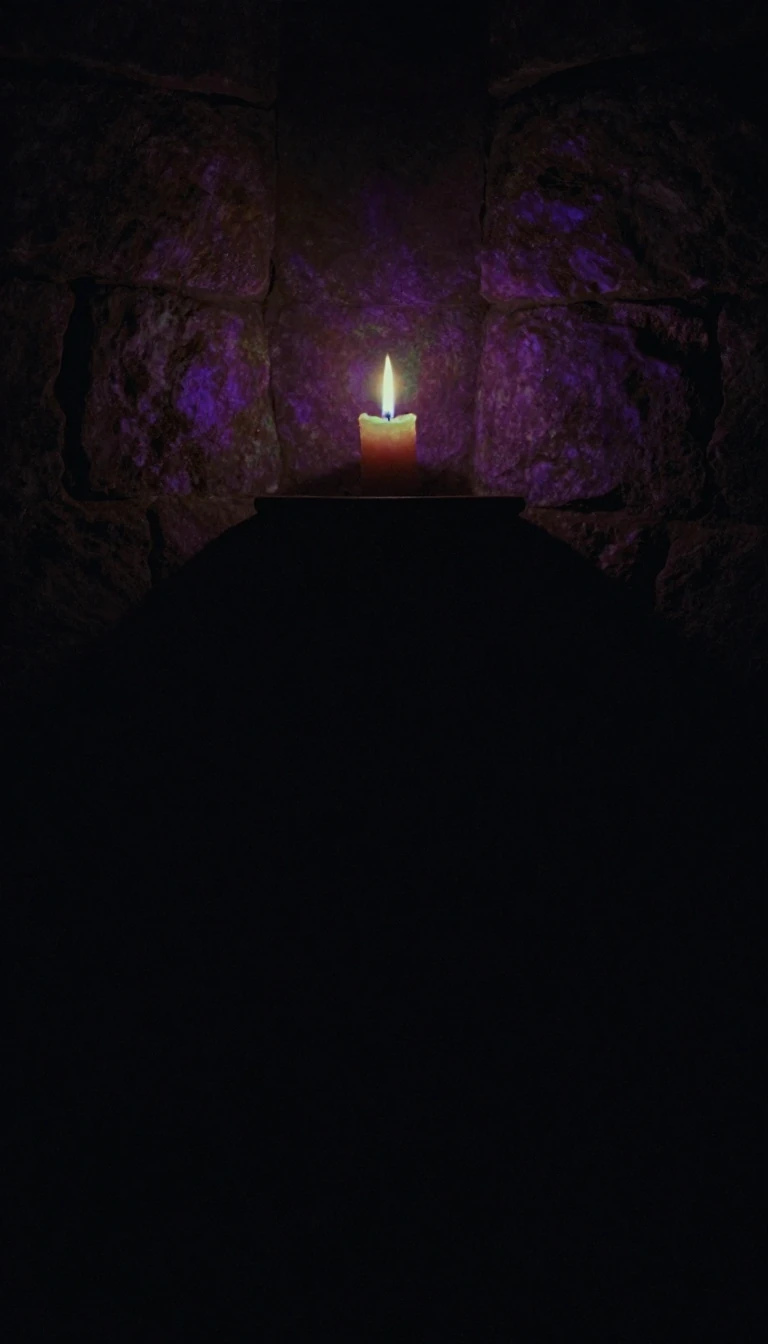
In short: What happens when the sanctuary of the dead becomes a hunting ground for the living? Inspired by a real-life visit to a Copenhagen morgue, director Ole Bornedal crafted a 1994 horror thriller that explores the psychological toll of watching where life ends.
The film's atmosphere is rooted in Bornedal's personal experience. After visiting a morgue in a city of one million people, he was struck by the contrast between the bustling daily life outside and the silent cellar where life concludes. He described the setting as both 'scary and beautiful,' a duality that serves as the foundation for the narrative. To capture this, Bornedal wrote much of the script alone at night, confessing that he was often too intimidated to leave his office for fear of walking through the dark hallways.
The story follows Martin Bork, a law student who takes a night watchman job at a Forensic Medicine Institute to secure study time. The narrative weaves a web of psychological tension, involving a series of dares between Martin and his friend Jens. These dares escalate into dangerous territory, including a game of identity where Martin assumes Jens's name to interact with a woman named Joyce. This layer of deception provides the perfect cover for the film's antagonist: a serial killer who uses the institute's infrastructure to frame Martin for his crimes.
The antagonist is revealed to be Peter Wörmer, a police superintendent who previously worked as a night watchman at the same institute. Wörmer is linked to a long-buried, unpublished scandal involving necrophilia. By manipulating the environment—moving bodies, planting evidence like semen, and using medical gloves—Wörmer turns the institute into a labyrinth of paranoia. The film explores how a position of trust can be weaponized by someone who understands the hidden mechanics of the building's secrets.
Critically, Nightwatch served as a milestone for European genre cinema. Bornedal noted that while it might not be a 'great work of art,' it legitimized the idea that European film art could successfully utilize generic horror tropes. The film achieved significant commercial success in Denmark, selling over 465,000 tickets, and eventually paved the way for an English-language remake in 1997 and a sequel in 2023. It remains a notable example of how specific, localized fears can be translated into a broader cinematic language.
Opens the Intellect+ feed with this card first. Swipe up for the next one.
Sources
- Summary by Intellect · source: Nightwatch (1994 film)
To cite this card, link to https://intellectplus.co.uk/app/entertainment-nightwatch-1994-film.
How we source, check and correct cards: Editorial standards.
General information, not professional advice. Spotted an error? Flag the card or see corrections and complaints.
Intellect Plus is a visual educational discovery platform for exploring fascinating facts and ideas. Brain Food, Not Brain Rot. What is Intellect Plus?
Related
More in Films · More in Entertainment · Latest · A–Z · All topics
