Werner Herzog’s 1979 vampire masterpiece was a bridge to Germany’s cinematic past
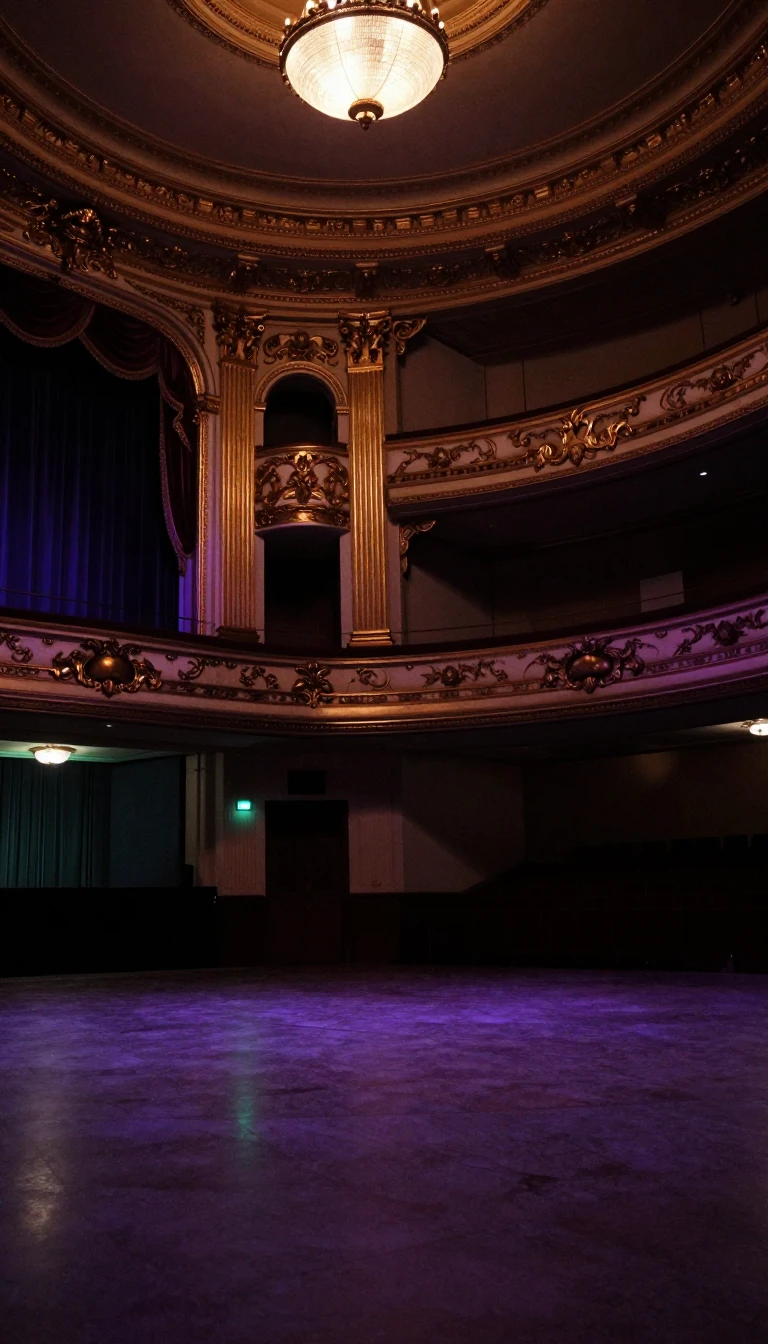
In short: Werner Herzog did not just remake a silent horror classic; he sought to reconnect modern German cinema with its Expressionist roots. By casting Klaus Kinski as a weary, tragic Dracula, Herzog transformed a monster into a symbol of loneliness, creating a haunting, meditative film that remains a definitive genre landmark.
Released in 1979, Nosferatu the Vampyre serves as both a homage to F. W. Murnau’s 1922 silent film and an adaptation of Bram Stoker’s novel. Herzog viewed Murnau’s original as the greatest German film ever made and intended his own version to act as a bridge between the Expressionist era and the postwar New German Cinema. Unlike typical horror films, Herzog’s work emphasizes the vampire’s pathos, portraying him as an ambivalent force of change rather than a simple monster.
The production was marked by Herzog’s uncompromising vision and logistical challenges. Filming on a minimal budget with a small crew of 16, Herzog was denied permission to shoot in Wismar or Transylvania. Instead, he utilized locations in the Netherlands and Czechoslovakia. The film’s opening sequence features real mummified bodies from an 1833 cholera epidemic, which Herzog filmed at a museum in Mexico. His commitment to authenticity—and his controversial treatment of animals, including rats dyed gray for the production—became part of the film’s intense, often difficult legacy.
The film’s impact has endured for decades, influencing contemporary directors like Robert Eggers. Critics have praised its stunning visuals, color palette, and the performances of Klaus Kinski and Isabelle Adjani. While some reviewers initially found the pacing meditative rather than frightening, the film is now widely regarded as a significant reinterpretation of the vampire myth. It remains a testament to Herzog’s ability to blend high-art sensibilities with the grim, atmospheric traditions of gothic horror, exploring themes of immortality and the fragility of bourgeois order.
Opens the Intellect+ feed with this card first. Swipe up for the next one.
Sources
- Summary by Intellect · source: Nosferatu the Vampyre
- Also: Wikidata — Nosferatu the Vampyre · CC0
- Also: Wikidata — Nosferatu the Vampyre · CC0
To cite this card, link to https://intellectplus.co.uk/app/entertainment-nosferatu-the-vampyre.
How we source, check and correct cards: Editorial standards.
General information, not professional advice. Spotted an error? Flag the card or see corrections and complaints.
Intellect Plus is a visual educational discovery platform for exploring fascinating facts and ideas. Brain Food, Not Brain Rot. What is Intellect Plus?
Related
More in Films · More in Entertainment · Latest · A–Z · All topics
