Is a factory just a prison with better music and worse freedom?
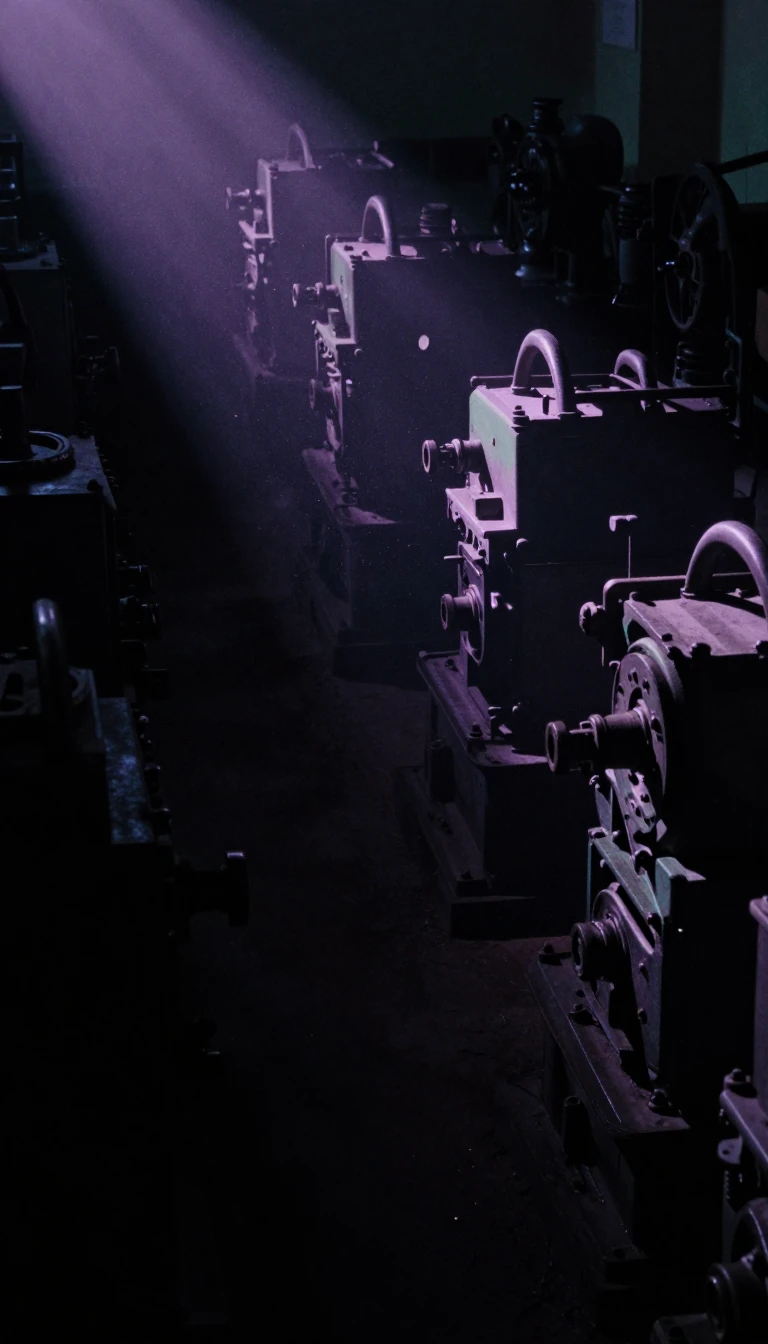
In short: René Clair’s 1931 masterpiece, À nous la liberté, suggests that modern industrial life is indistinguishable from incarceration. By mirroring the assembly line with prison labor, the film satirizes dehumanization and the pursuit of wealth, ultimately arguing that true liberty is found only in the rejection of both.
The film follows two escaped convicts, Louis and Émile, whose paths diverge sharply. Louis rises to become a wealthy phonograph magnate, running his factory with the same rigid, soul-crushing efficiency as the prison they fled. Émile, meanwhile, remains a free spirit, eventually finding himself a cog in his friend's industrial machine. The visual and thematic parallels are deliberate; the factory floor is a direct aesthetic descendant of the prison yard, where workers toil under the watchful eye of a strict foreman.
Clair’s satire is deeply rooted in his innovative use of sound and design. Rather than relying on naturalistic audio, he utilized Georges Auric’s musical score to depict the mechanical rhythm of the factory, turning the assembly line into a choreographed, xylophone-driven dance. This formal playfulness extends to the narrative, where Clair slowly reveals truths—like the source of a singing flower—to highlight the absurdity of the characters' perceptions. The film remains a landmark for its pioneering production design, which earned an Academy Award nomination.
The film’s legacy is perhaps best known for its controversial connection to Charlie Chaplin’s 1936 film, Modern Times. The two works share striking similarities, particularly in their conveyor belt gags, leading to a decade-long legal dispute. While Chaplin’s studio denied any knowledge of Clair’s work, Clair himself remained humble, expressing that he would have been honored if his film had inspired a director he so deeply admired. Today, critics view the film as a lyrical, anarchistic critique of both Stalinism and industrialization, anticipating the later satirical works of Jacques Tati.
Opens the Intellect+ feed with this card first. Swipe up for the next one.
Sources
- Summary by Intellect · source: À Nous la Liberté
- Also: Wikidata — À Nous la Liberté · CC0
To cite this card, link to https://intellectplus.co.uk/app/entertainment-nous-la-libert.
How we source, check and correct cards: Editorial standards.
General information, not professional advice. Spotted an error? Flag the card or see corrections and complaints.
Intellect Plus is a visual educational discovery platform for exploring fascinating facts and ideas. Brain Food, Not Brain Rot. What is Intellect Plus?
Related
More in Films · More in Entertainment · Latest · A–Z · All topics
