How Jean Cocteau turned a Greek myth into a surreal 1950s Parisian nightmare
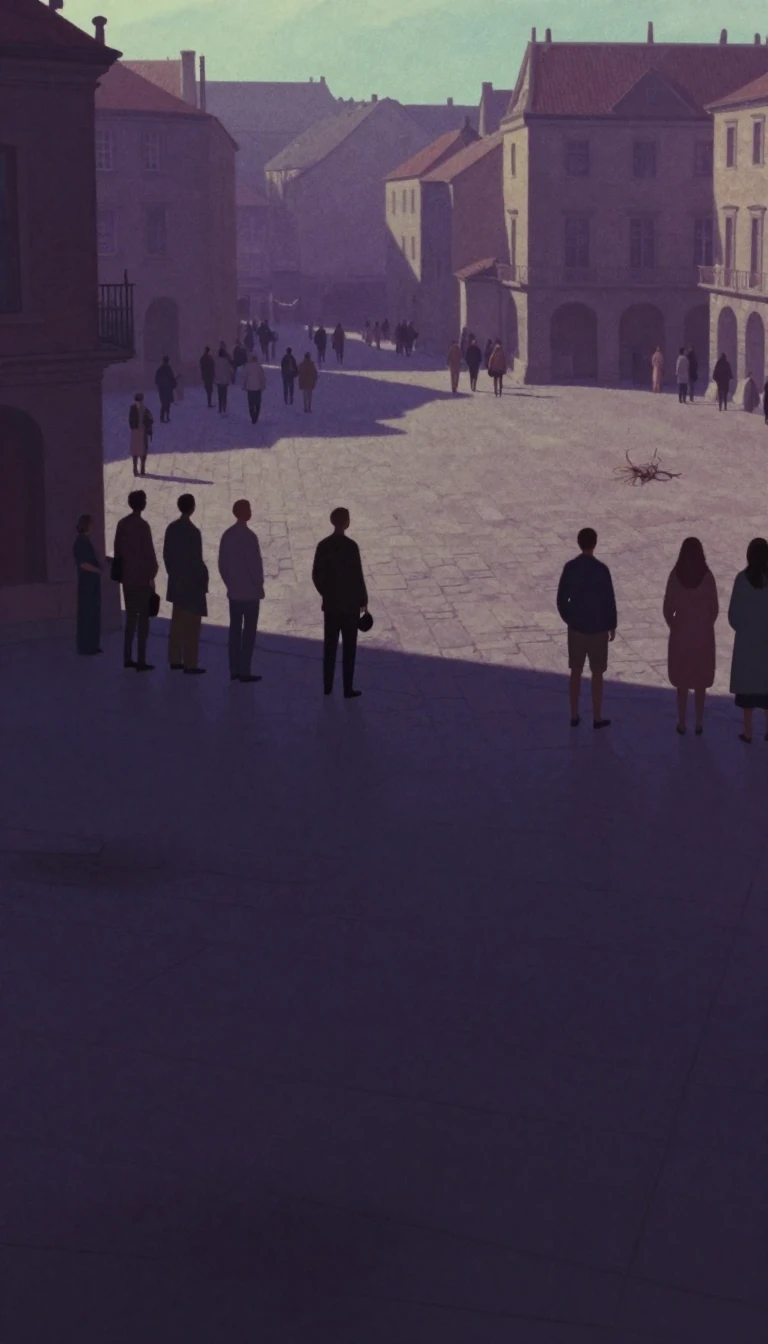
In short: In Jean Cocteau’s 1950 masterpiece, the Greek myth of Orpheus is reimagined in contemporary Paris. Death is a beautiful woman, mirrors are portals to the afterlife, and the underworld is a bureaucratic ruin. It is a haunting, technically inventive exploration of how art can seduce the artist away from life.
Jean Cocteau’s Orpheus, the central film of his Orphic Trilogy, reimagines the tragic poet as a man obsessed with abstract poetry broadcast through a car radio. In this version, Death is a Princess who claims the poet’s rival, Cégeste, and eventually the poet’s wife, Eurydice. The film’s afterlife is not a mythological void but a desolate, bureaucratic city where the dead remain unaware of their state, subject to interrogations by a tribunal that treats mortality as a legal negotiation.
The film is celebrated for its pioneering practical effects, which Cocteau achieved without modern digital tools. To create the illusion of liquid mirrors, the production used vats of mercury for close-ups. Other sequences utilized reverse motion, superimposition, and gravity-defying sets where walls became floors. During filming in the ruins of the Saint-Cyr military academy, unplanned locomotive whistles were captured on audio; rather than removing them, Cocteau kept the noise as a natural echo of the modern world, grounding his surreal vision in a tangible, gritty reality.
While some critics have dismissed the film as artificial or dated, it remains a touchstone for filmmakers like Andrei Tarkovsky and Akira Kurosawa. Cocteau himself insisted that the film was not a dream, but a summary of his own conception of life. By having the Princess of Death sacrifice herself to grant the poet immortality, the film explores the heavy toll of artistic creation, suggesting that the path to becoming an eternal poet requires a series of successive deaths.
The film’s legacy extends far beyond its 1950 release, influencing everything from music—appearing on The Smiths' record sleeves—to opera. In 1993, Philip Glass adapted the screenplay into a stage opera, Orphée, which premiered at the American Repertory Theater. Today, the film stands as a testament to Cocteau’s belief that cinema could suspend reality, using purely cinematic means to explore the thin, often painful boundary between the artist’s work and his human concerns.
Opens the Intellect+ feed with this card first. Swipe up for the next one.
Sources
- Summary by Intellect · source: Orpheus (film)
To cite this card, link to https://intellectplus.co.uk/app/entertainment-orpheus-film.
How we source, check and correct cards: Editorial standards.
General information, not professional advice. Spotted an error? Flag the card or see corrections and complaints.
Intellect Plus is a visual educational discovery platform for exploring fascinating facts and ideas. Brain Food, Not Brain Rot. What is Intellect Plus?
Related
More in Films · More in Entertainment · Latest · A–Z · All topics
