How Jean Cocteau turned post-war fabric scraps into a surrealist cinematic masterpiece
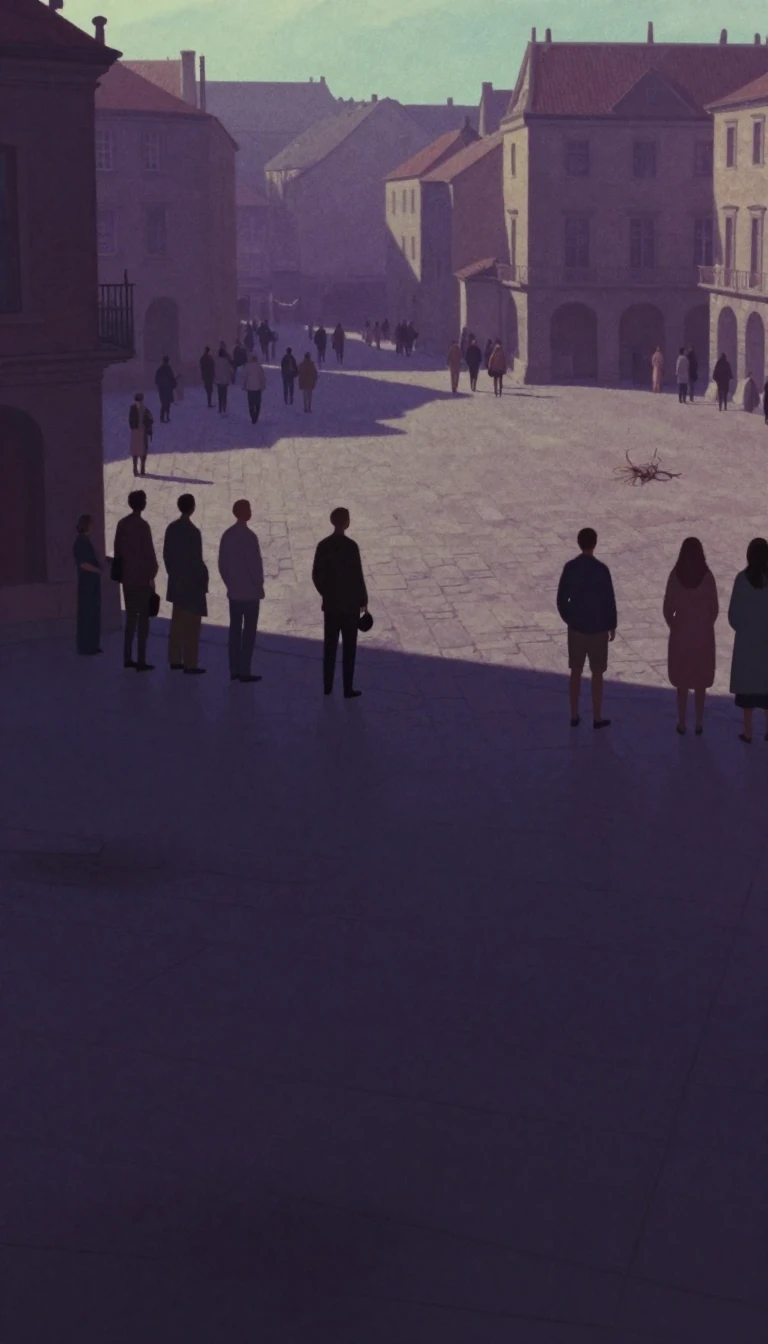
In short: Jean Cocteau’s 1946 Beauty and the Beast is a surrealist triumph born from post-war scarcity. Using limited materials, Cocteau crafted an enduring visual language that influenced decades of film, from Disney’s living furniture to Philip Glass’s operas. Discover the practical magic behind this classic of French cinema.
Released in 1946, Jean Cocteau’s adaptation of the 1756 fairy tale by Jeanne-Marie Leprince de Beaumont stands as a landmark of French cinema. The production was defined by the constraints of the aftermath of World War II, forcing the crew to use fabric scraps for the film's flamboyant costumes. Despite these limitations, the production design, led by Christian Bérard and Lucien Carré, created an opulent, dreamlike atmosphere that critics like Bosley Crowther later praised as a priceless fabric of visual metaphors.
The film’s technical ingenuity remains legendary. To achieve the illusion of candles lighting themselves, the production team filmed the actor walking backward while blowing them out, then reversed the footage. The stone carvings of moving faces were crafted by plastering children’s faces, while the Beast’s makeup—modeled partly on Jean Marais’s own husky—required hours of daily application. Jean Marais, who played the Beast, found the prosthetics so cumbersome that he was largely restricted to a liquid diet of soup during filming.
Cocteau’s influence persists through a vast cultural legacy. The film’s aesthetic has been echoed in works ranging from the 1991 Disney adaptation to Philip Glass’s 1994 opera, which synchronizes live performance with the original film. While some critics, such as those at the Village Voice, have argued the film’s heavy focus on surface opulence occasionally undermines its thematic depth, it remains a critical favorite. It holds a 96% rating on Rotten Tomatoes and was ranked 26th in Empire magazine’s list of the 100 best films of world cinema.
The film’s narrative, which follows Belle’s journey to the Beast’s castle to save her father, is steeped in surrealism and symbolic imagery. From the magic mirror to the animated statues, Cocteau utilized trick shots to ground the fantasy in a tangible, albeit strange, reality. Today, the film is recognized not just as a fairy tale adaptation, but as a foundational work of surrealist art that continues to inspire filmmakers and musicians alike.
Opens the Intellect+ feed with this card first. Swipe up for the next one.
Sources
- Summary by Intellect · source: Beauty and the Beast (1946 film)
To cite this card, link to https://intellectplus.co.uk/app/entertainment-beauty-and-the-beast-1946-film.
How we source, check and correct cards: Editorial standards.
General information, not professional advice. Spotted an error? Flag the card or see corrections and complaints.
Intellect Plus is a visual educational discovery platform for exploring fascinating facts and ideas. Brain Food, Not Brain Rot. What is Intellect Plus?
Related
More in Films · More in Entertainment · Latest · A–Z · All topics
