How a 1928 silent film defined the flapper and launched a Hollywood icon
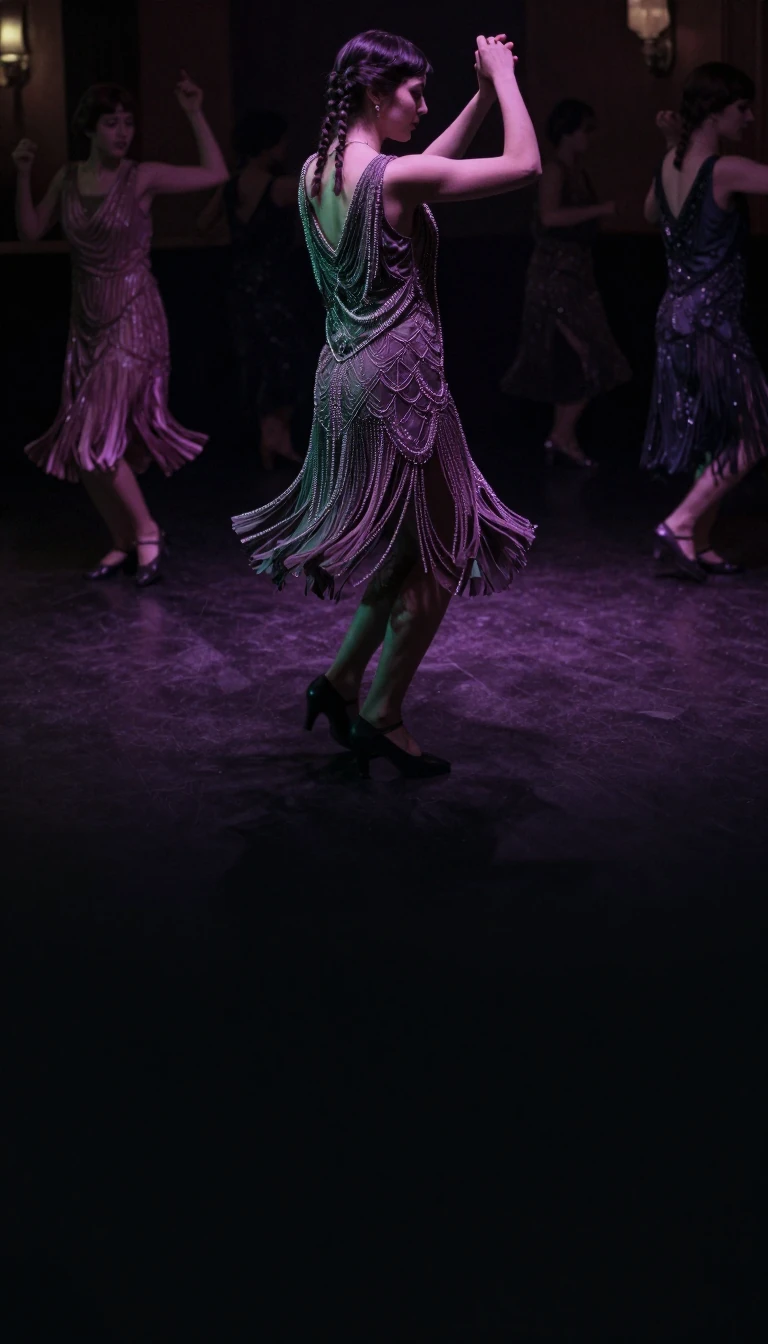
In short: Before sound dominated cinema, Our Dancing Daughters captured the frantic energy of the Jazz Age. Starring Joan Crawford as the irrepressible Dangerous Diana, the film explored the loosening morals of youth, cementing the flapper archetype in the public imagination and turning its lead actress into a massive Hollywood star.
Released in 1928, Our Dancing Daughters was a synchronized sound drama that navigated the cultural anxieties of the Prohibition era. Directed by Harry Beaumont and produced by Hunt Stromberg, the film utilized both sound-on-disc and sound-on-film processes to provide a musical score and sound effects, even though it lacked audible dialogue. The plot centers on the contrast between the outwardly flamboyant but inwardly virtuous Diana Medford and her amoral, gold-digging friend Ann. As the two compete for the affection of Ben Blaine, the narrative serves as a cautionary tale about the shifting social landscape of the 1920s.
The film is perhaps best remembered for launching the career of Joan Crawford. Her portrayal of a Charleston-dancing, party-going flapper was so definitive that F. Scott Fitzgerald famously described her as the quintessential example of the era's young women—sophisticated, bitter, and talented at living. This cultural impact was reflected in the film's financial performance; it earned $757,000 in the U.S. and Canada, with an additional $342,000 internationally, ultimately yielding a profit of $304,000 for MGM.
Despite its popularity, the film faced significant scrutiny from contemporary authorities. Many American cities and states employed censor boards that demanded cuts before allowing screenings. For instance, the Kansas censor board insisted on removing an intertitle where a character alluded to her past experiences with love. Such interventions highlight the tension between the film's depiction of modern youth and the conservative values of the time. The production was eventually recognized by the industry, receiving Academy Award nominations for Best Writing and Best Cinematography at the 2nd Academy Awards in 1930.
Today, the film remains a vital artifact of early cinema history. It was released on DVD in 2010 and on Blu-ray in 2023, and it is currently available for public viewing through the Internet Archive. Critics at the time, such as Bland Johnson of the New York Mirror, recognized the significance of the performance, noting that Crawford delivered the greatest work of her career in this role.
Opens the Intellect+ feed with this card first. Swipe up for the next one.
Sources
- Summary by Intellect · source: Our Dancing Daughters
- Also: Wikidata — Our Dancing Daughters · CC0
- Also: Wikidata — Our Dancing Daughters:The Queen,Little Miss Sunshine,and Dysfunctional Families · CC0
To cite this card, link to https://intellectplus.co.uk/app/entertainment-our-dancing-daughters.
How we source, check and correct cards: Editorial standards.
General information, not professional advice. Spotted an error? Flag the card or see corrections and complaints.
Intellect Plus is a visual educational discovery platform for exploring fascinating facts and ideas. Brain Food, Not Brain Rot. What is Intellect Plus?
Related
More in Films · More in Entertainment · Latest · A–Z · All topics
