How a $32 Million Period Drama Recreated the Turn of the Century
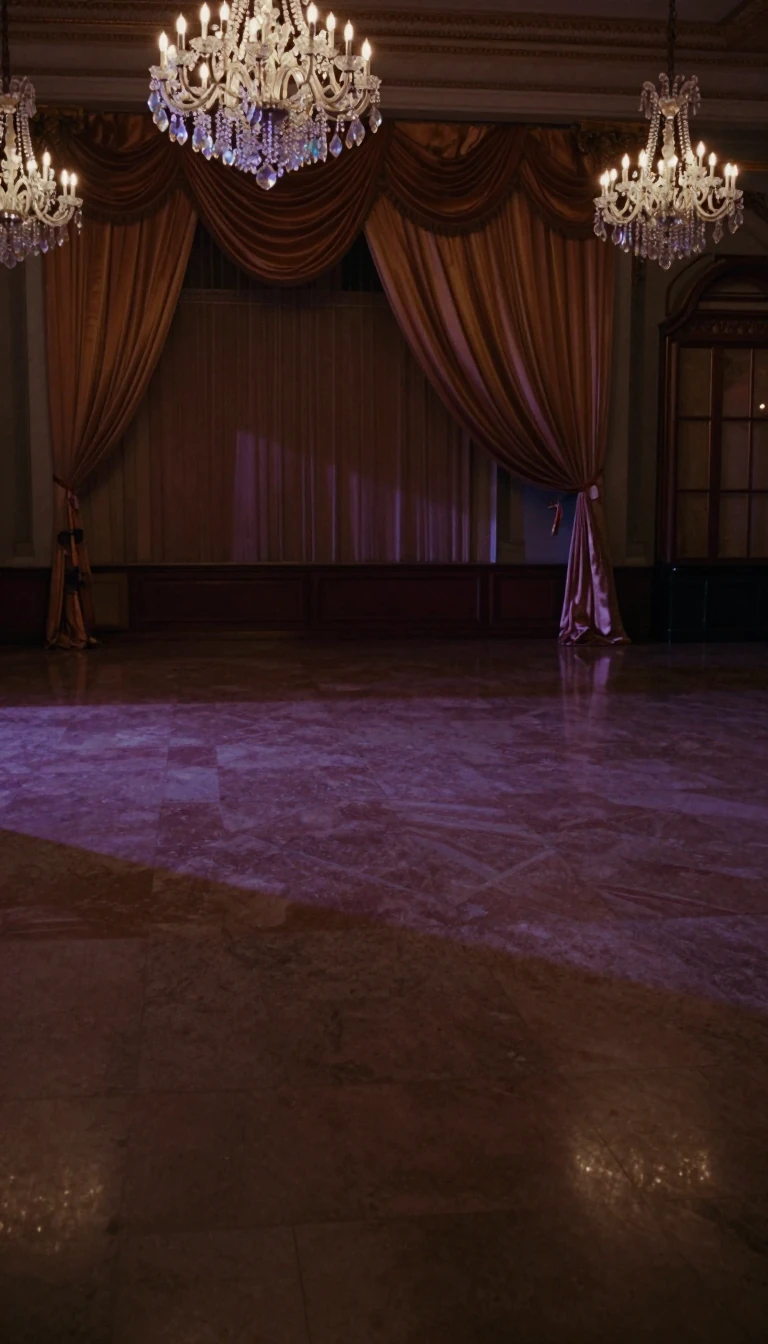
In short: Miloš Forman’s 1981 adaptation of E. L. Doctorow’s novel was a massive undertaking, featuring a $32 million budget and meticulous set designs. Beyond its historical scale, the film marked the final screen appearances of legends James Cagney and Pat O'Brien, while launching the careers of several future Hollywood stars.
The production of Ragtime was defined by its pursuit of historical authenticity and creative friction. Producer Dino De Laurentiis initially hired Robert Altman to direct, but the project stalled when Altman and author E. L. Doctorow clashed with the studio over the film's structure. After they were dismissed, Miloš Forman and screenwriter Michael Weller took over, narrowing the narrative focus to the story of Coalhouse Walker and excising major literary figures like Sigmund Freud.
To capture the atmosphere of early 1900s New York, the production team went to extraordinary lengths. Art director Patrizia Von Brandenstein transformed a Lower East Side street by replacing modern signage with period-accurate Hebrew text and even established a temporary summer camp for local children to clear the set. In Mount Kisco, a Victorian home underwent a three-month renovation, including the addition of an antique kitchen and a gazebo, to serve as the film's central domestic setting.
The film's casting process was equally ambitious. James Cagney, who had been retired for nearly two decades, was persuaded to return to the screen to play Police Commissioner Rhinelander Waldo. The script was specifically adjusted to expand this character's presence. Meanwhile, the production navigated the 1980 actors' strike by securing an interim agreement, allowing filming to continue across locations in the U.S. and at Shepperton Studios in London.
Upon release, the film received a polarized reception. While critics like Gene Siskel named it the best film of 1981, others like Vincent Canby found the narrative focus uneven. Despite earning eight Academy Award nominations, it failed to secure a win. Nevertheless, it remains a notable artifact of 1980s cinema, remembered for its high-profile cast, its ambitious production design, and its attempt to translate a complex, multi-layered novel into a coherent historical drama.
Opens the Intellect+ feed with this card first. Swipe up for the next one.
Sources
- Summary by Intellect · source: Ragtime (film)
- Also: Wikidata — Ragtime · CC0
To cite this card, link to https://intellectplus.co.uk/app/entertainment-ragtime-film.
How we source, check and correct cards: Editorial standards.
General information, not professional advice. Spotted an error? Flag the card or see corrections and complaints.
Intellect Plus is a visual educational discovery platform for exploring fascinating facts and ideas. Brain Food, Not Brain Rot. What is Intellect Plus?
Related
More in Films · More in Entertainment · Latest · A–Z · All topics
