How a 2003 TV pitch became a billion-dollar war film about stolen plans
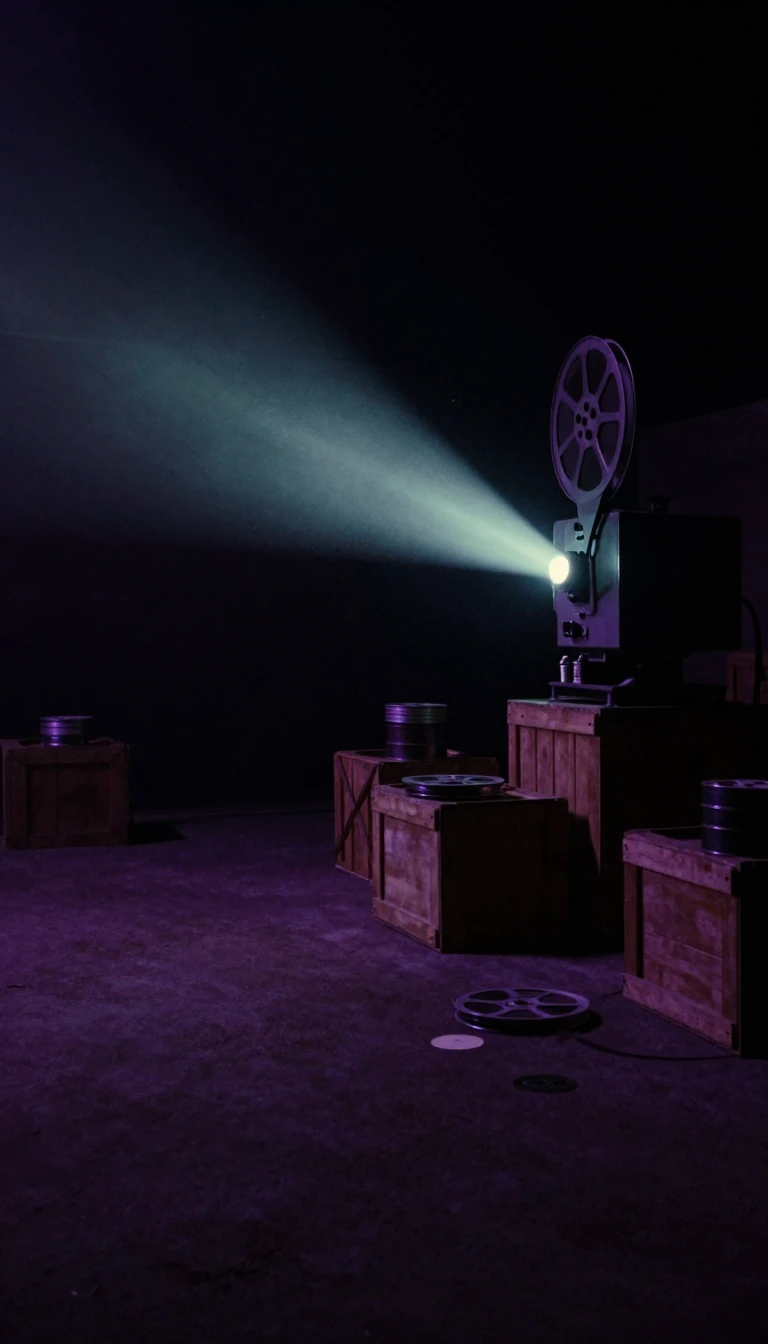
In short: Rogue One was not always a blockbuster. Originally conceived as a television episode in 2003, the project evolved into a gritty war film that bypassed traditional Star Wars tropes. By ditching the iconic opening crawl and embracing a darker tone, it redefined how a prequel could expand a legendary cinematic universe.
The journey of Rogue One began with John Knoll, the visual effects supervisor for the Star Wars prequel trilogy. In 2003, he pitched a story titled Destroyer of Worlds as an episode for the unproduced series Star Wars: Underworld. Following Disney's 2012 acquisition of Lucasfilm, Knoll revived the concept as a feature film. Director Gareth Edwards was hired in 2014 to helm the project, aiming to ground the story in the reality of war rather than the mythic structure of the Skywalker Saga.
The production was marked by significant creative shifts. Edwards initially planned for the main characters to survive, but producers ultimately opted for a tragic ending. To refine the film's tone and structure, extensive reshoots occurred in mid-2016, with writer Tony Gilroy overseeing additional scenes and editing. The film's visual identity was also distinct; it omitted the series' signature transitional screen wipes and opening crawl, a decision Kathleen Kennedy confirmed to differentiate the anthology film from the main saga.
Technological innovation played a central role in the film's aesthetic. Industrial Light & Magic utilized CGI to recreate the likenesses of Peter Cushing and Carrie Fisher, mapping digital masks over the performances of actors Guy Henry and Ingvild Deila. This process required deep collaboration with the estates of the late actors. The film's score, composed by Michael Giacchino in just four and a half weeks after Alexandre Desplat departed the project, blended original themes with John Williams' classic motifs.
Despite a complex production—including a reported gross budget of up to $280.2 million—the film was a massive commercial success, earning $1 billion worldwide. It stands as a testament to the franchise's ability to pivot, proving that a story with a predetermined outcome could still deliver a fresh, visceral experience that resonated with audiences and critics alike.
Opens the Intellect+ feed with this card first. Swipe up for the next one.
Sources
- Summary by Intellect · source: Rogue One
- Also: Wikidata — Rogue One – A Star Wars Story · CC0
- Also: Wikidata — Rogue One: A Star Wars Story · CC0
To cite this card, link to https://intellectplus.co.uk/app/entertainment-rogue-one.
How we source, check and correct cards: Editorial standards.
General information, not professional advice. Spotted an error? Flag the card or see corrections and complaints.
Intellect Plus is a visual educational discovery platform for exploring fascinating facts and ideas. Brain Food, Not Brain Rot. What is Intellect Plus?
Related
More in Films · More in Entertainment · Latest · A–Z · All topics
