A seven-hour Hungarian odyssey that turns the structure of a tango into cinema.
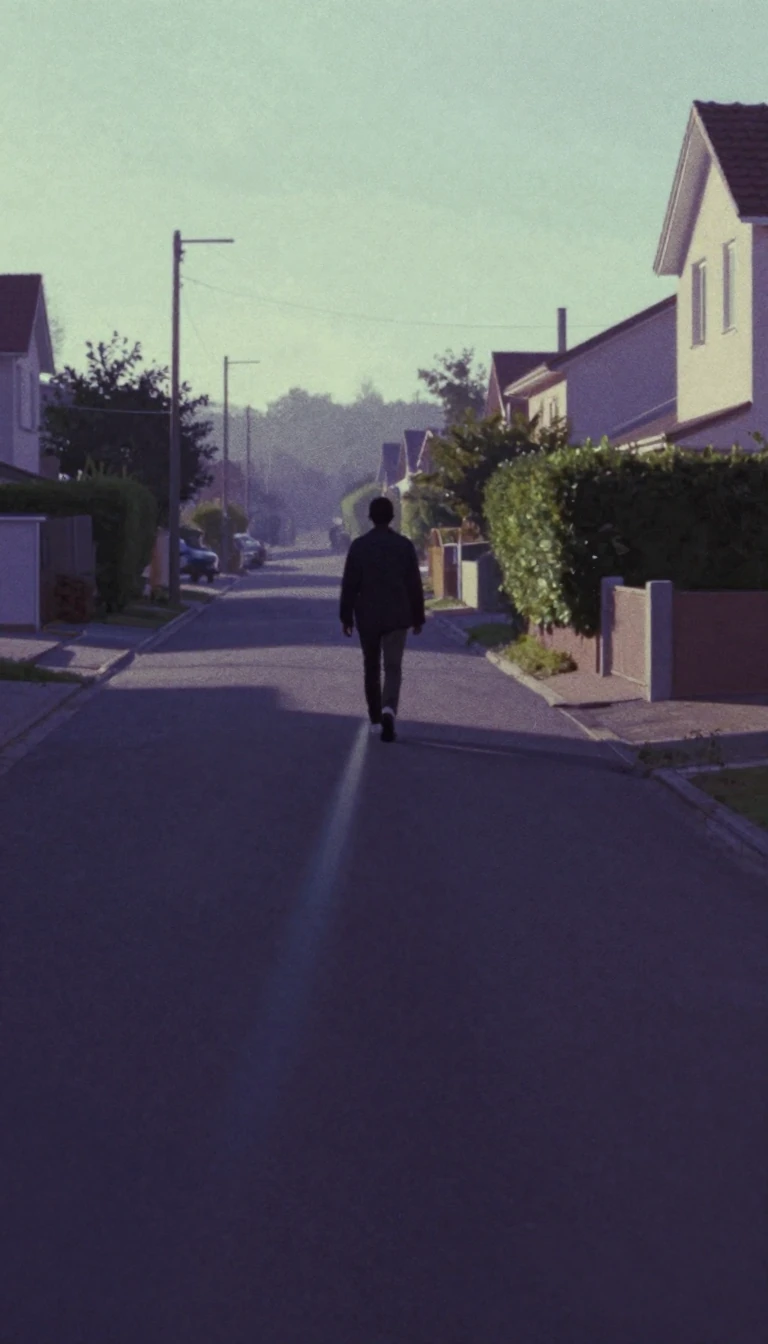
In short: Béla Tarr’s 1994 masterpiece, Sátántangó, is a grueling, black-and-white epic that defies conventional pacing. By mirroring the six-step forward and backward rhythm of a tango, this sprawling drama captures the collapse of a collective farm and the nihilistic desperation of villagers caught in a cycle of manipulation and decay.
The film emerged from a collaboration between Hungarian, German, and Swiss production entities, finally reaching the screen in 1994 after years of delays caused by Hungary's restrictive political climate. Based on László Krasznahorkai’s 1985 novel, the project was a long-held ambition for director Béla Tarr. Rather than relying on a rigid script, Tarr and his team spent a year scouting locations, treating the screenplay merely as a foundation for an improvised, atmospheric exploration of human indifference and the absence of authority.
Structurally, the film is divided into twelve distinct parts that move non-chronologically, echoing the dance steps of a tango. With only about 150 shots across its seven-hour runtime, the film relies on exceptionally long takes—some lasting nearly ten minutes—that force the viewer into a hypnotic, immersive experience. This formal design was heavily shaped by editor Ágnes Hranitzky, whose collaboration with Tarr was so integral that their working method required rhythm and camera movement to be finalized during the actual filming process.
The narrative follows the inhabitants of a desolate village who, after the failure of their collective farm, fall under the sway of Irimiás, a charismatic and manipulative figure presumed dead. While the villagers are driven by greed and fear, the film’s philosophical weight is carried by the Doctor, an introverted intellectual who observes the community's disintegration from his home. Through haunting accordion scores and bleak, rain-soaked imagery, the film explores themes of preordained fate and the sociopathic nature of power, ultimately leaving the audience to confront the same darkness that consumes the village.
Despite its daunting length, the film has achieved legendary status in art-house circles. It has been lauded by critics like Susan Sontag and Jonathan Rosenbaum, and it consistently appears in prestigious rankings like the British Film Institute’s Sight & Sound polls. Though it faced controversy regarding the treatment of animals during production—specifically a scene involving a cat—Tarr has maintained that a veterinarian was present and no harm occurred, clarifying that the animal was simply sedated for the shot.
Opens the Intellect+ feed with this card first. Swipe up for the next one.
Sources
- Summary by Intellect · source: Sátántangó
- Also: Wikidata — Sátántangó · CC0
To cite this card, link to https://intellectplus.co.uk/app/entertainment-s-t-ntang.
How we source, check and correct cards: Editorial standards.
General information, not professional advice. Spotted an error? Flag the card or see corrections and complaints.
Intellect Plus is a visual educational discovery platform for exploring fascinating facts and ideas. Brain Food, Not Brain Rot. What is Intellect Plus?
Related
More in Films · More in Entertainment · Latest · A–Z · All topics
