A surreal Hungarian masterpiece uses three generations to map a nation's traumatic history.
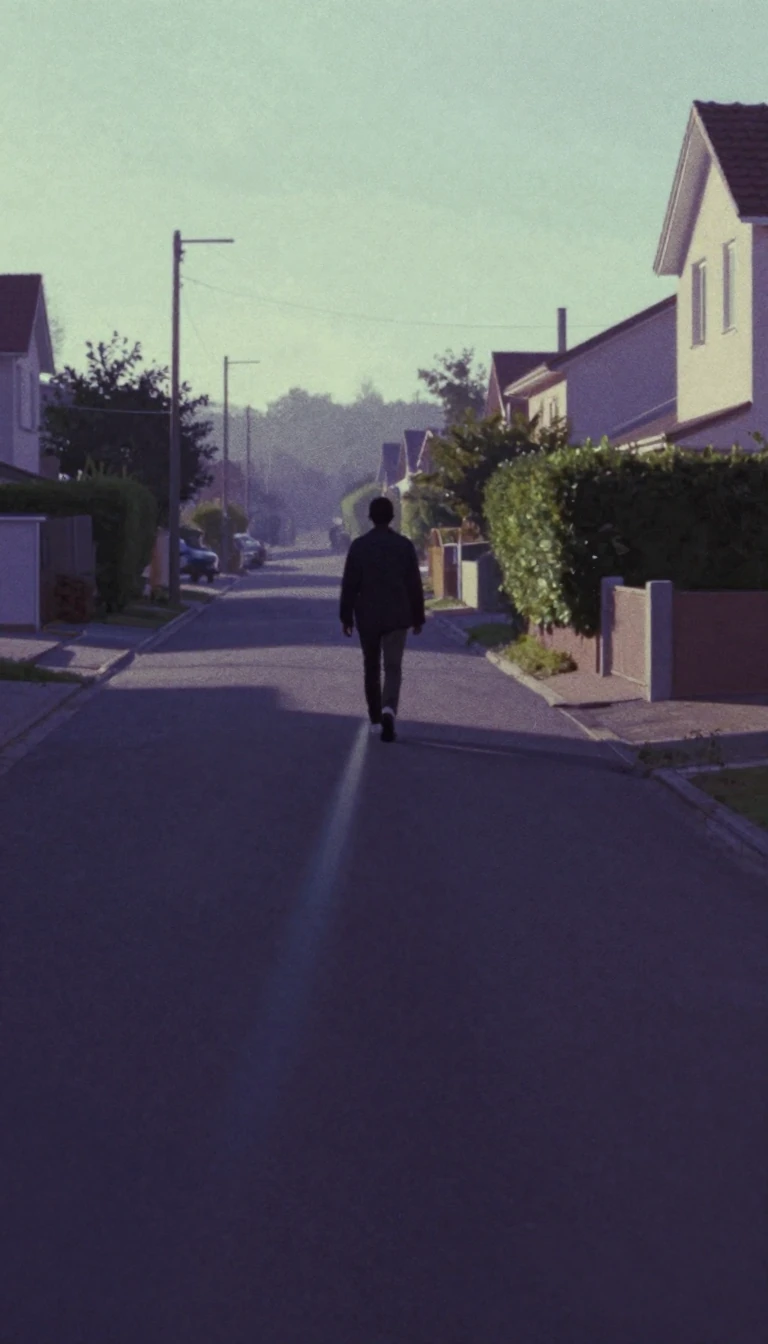
In short: György Pálfi’s 2006 film Taxidermia is a grotesque, satirical journey through Hungary’s 20th-century evolution. By following a military orderly, a competitive speed-eater, and a professional taxidermist, the film uses body horror and dark humor to create a metaphorical, visceral retelling of the country’s socio-political shifts from wartime to the present.
The narrative structure of Taxidermia is built upon the lineage of three men, each representing a distinct era of Hungarian history. The story begins at a remote military outpost during World War II, where the orderly Vendel Morosgoványi lives in squalor, escaping his reality through perverse fantasies. This segment culminates in a violent act that results in the birth of Kálmán Balatony, a boy born with a pig's tail, symbolizing the grotesque origins of the family line.
The second generation shifts to the Cold War era, focusing on Kálmán’s life as a champion speed-eater. Under the pressure of his uncle and coach, Jenő, Kálmán treats his metabolism as a competitive sport, hoping for Olympic recognition. This period highlights the absurdity and obsession of the era, as Kálmán prioritizes his training over his family, eventually leading to the birth of his son, Lajoska. The final act follows Lajoska, a professional taxidermist who attempts to escape his family's legacy by living a quiet, isolated life.
Lajoska’s story concludes with a radical act of self-preservation. After his father, now morbidly obese, is killed by his own pet cats, Lajoska preserves their bodies and then turns his surgical skills upon himself. Using a heart-lung machine and various chemicals, he performs a final, gruesome transformation, turning his own body into a permanent museum exhibit. This shocking finale serves as a metaphor for the film's broader exploration of history, identity, and the desire to freeze time.
While the film is undeniably graphic and challenging, it has earned significant critical acclaim, including an 83 out of 100 score on Metacritic. It was Hungary's submission for the 79th Academy Awards and has cultivated a dedicated following among fans of avant-garde cinema. By blending surrealism with historical commentary, Pálfi created a work that is as intellectually demanding as it is visually jarring, forcing viewers to confront the uncomfortable intersections of biology, politics, and memory.
Opens the Intellect+ feed with this card first. Swipe up for the next one.
Sources
- Summary by Intellect · source: Taxidermia
- Also: Taxidermia
To cite this card, link to https://intellectplus.co.uk/app/entertainment-taxidermia.
How we source, check and correct cards: Editorial standards.
General information, not professional advice. Spotted an error? Flag the card or see corrections and complaints.
Intellect Plus is a visual educational discovery platform for exploring fascinating facts and ideas. Brain Food, Not Brain Rot. What is Intellect Plus?
Related
More in Films · More in Entertainment · Latest · A–Z · All topics
