Can a childhood trauma be cured by confronting a locked door in a nightmare?
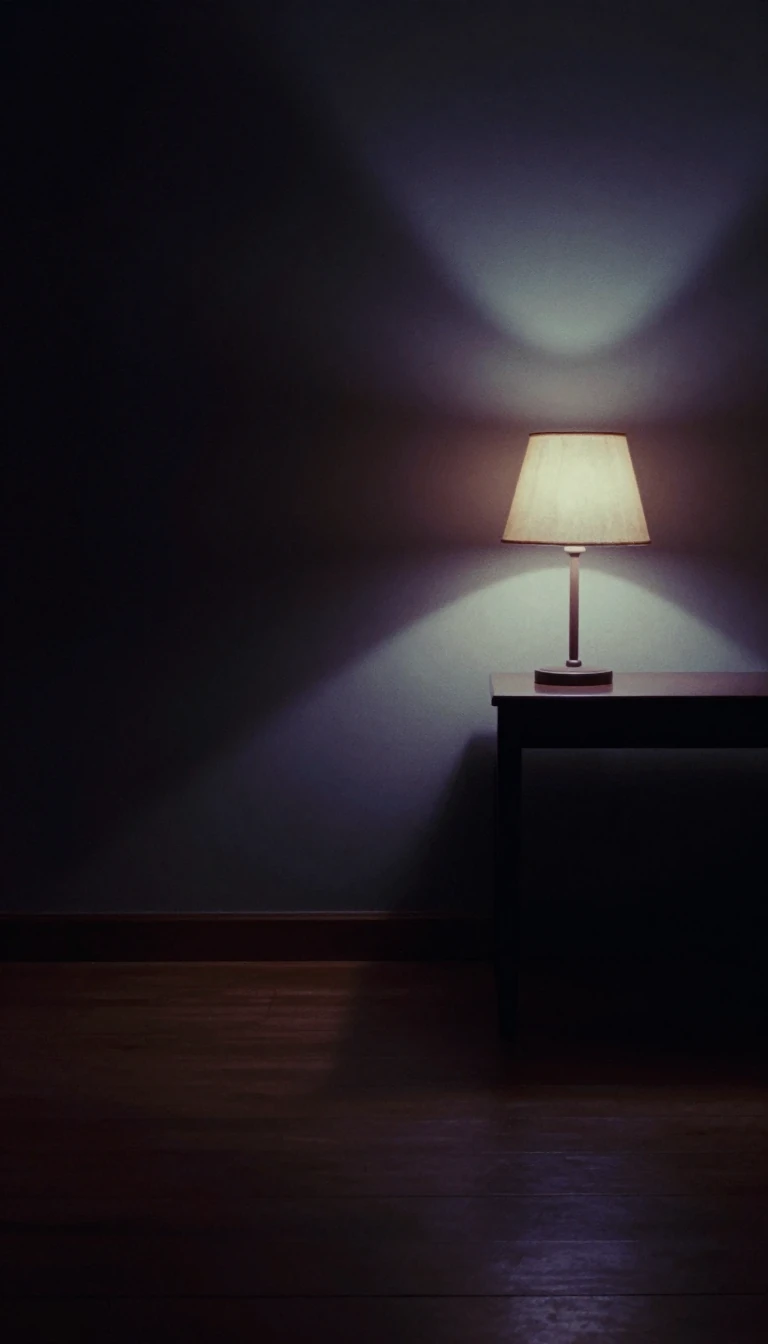
In short: Fritz Lang’s 1947 psychological thriller Secret Beyond the Door reimagines the Bluebeard fairytale through a lens of psychoanalysis. When a young heiress discovers her architect husband has built a wing of his mansion dedicated to murder scenes, she must decide if she is his next victim or his only salvation.
Released in 1947, Secret Beyond the Door follows Celia Barrett, a New York heiress who marries the enigmatic architect Mark Lamphere after a whirlwind romance in Mexico. Upon arriving at his estate, Blade's Creek, Celia discovers that Mark is a widower obsessed with recreating infamous murder scenes within his own home. The mansion features six rooms modeled after real-life crimes, while a seventh room remains strictly locked, fueling Celia's mounting suspicion that her husband intends to kill her.
The film’s narrative hinges on the intersection of psychological trauma and domestic suspense. Mark suffers from a compulsion to murder, which he believes is rooted in a childhood experience of being locked in his bedroom by his mother. As the plot unfolds, Celia discovers that Mark’s homicidal urges are triggered by specific stimuli, including the scent of lilacs and the presence of locked doors. The tension culminates in a dramatic confrontation where Celia helps Mark realize that it was his sister, not his mother, who caused his childhood distress, effectively breaking his cycle of violence.
Upon its debut, the film received polarized reactions from critics. Bosley Crowther of The New York Times dismissed the plot as "psycho-nonsense" while acknowledging Lang’s ability to create atmosphere through visual motifs like roving spotlights and silent chambers. Other contemporary reviewers, such as those at PM in 1948, criticized the film for being overly pretentious and synthetic. However, later perspectives, including those of Jonathan Rosenbaum, have argued that the film's inherent murkiness is actually a narrative strength. Today, the film remains a curious artifact of mid-century cinema, holding a 54% approval rating on Rotten Tomatoes based on 13 surveyed critics.
Opens the Intellect+ feed with this card first. Swipe up for the next one.
Sources
- Summary by Intellect · source: Secret Beyond the Door
- Also: Wikidata — Secret Beyond the Door · CC0
To cite this card, link to https://intellectplus.co.uk/app/entertainment-secret-beyond-the-door.
How we source, check and correct cards: Editorial standards.
General information, not professional advice. Spotted an error? Flag the card or see corrections and complaints.
Intellect Plus is a visual educational discovery platform for exploring fascinating facts and ideas. Brain Food, Not Brain Rot. What is Intellect Plus?
Related
More in Films · More in Entertainment · Latest · A–Z · All topics
