Is this 1946 horror classic actually a secret allegory for the death of silent film?
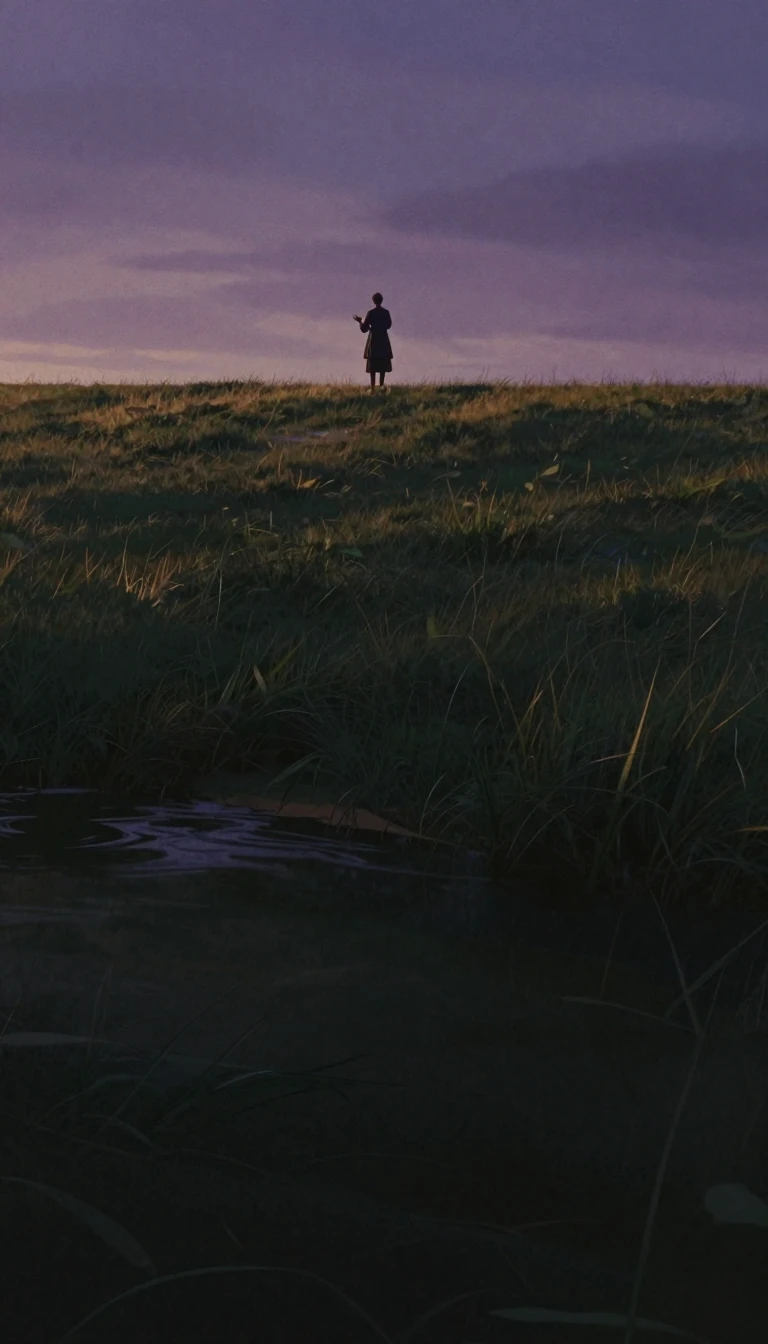
In short: The Spiral Staircase is celebrated as a masterpiece of Gothic suspense, but some scholars argue its true subject is the transition from silent cinema to sound. By centering on a mute protagonist, the film explores themes of voice, trauma, and the terrifying silence of a world losing its old language.
Directed by Robert Siodmak and released in 1946, The Spiral Staircase follows a mute young woman terrorized by a serial killer in a rural Vermont mansion. While contemporary critics initially labeled it a mystery romance, modern scholars recognize it as a quintessential example of 1940s horror. The film’s visual language, defined by cinematographer Nicholas Musuraca’s chiaroscuro lighting and low-angle shots, creates an atmosphere of claustrophobic dread that has led many to cite it as a direct progenitor to the modern slasher genre.
Beyond its surface-level thrills, the film has invited deeper academic analysis. Scholars like Amy Lawrence and Denis Grunes have proposed that the protagonist’s muteness—triggered by the trauma of her parents' death—serves as a masked allegory for the industry's shift from silent cinema to the talkies. The killer’s chilling observation that the protagonist has 'no mouth' reflects this tension, framing the character’s struggle for voice as a metaphor for the medium itself. This reading is bolstered by the film's own internal references, including an opening sequence featuring a 1912 silent film.
The production itself was a complex affair. Originally a project of producer David O. Selznick, who intended to cast Ingrid Bergman, the rights were eventually sold to RKO Radio Pictures to help finance Duel in the Sun. The final film, starring Dorothy McGuire and Ethel Barrymore, was a significant box-office success, earning nearly $3 million against a $750,000 budget. Despite the intense, labyrinthine set design—which once caused McGuire to accidentally lock herself in a room for twenty minutes—the film remains a masterclass in pacing, proving that the most enduring horror often lies in what remains unsaid.
Today, the film is studied for its stylistic blend of horror and film noir. Its influence persists through numerous remakes, including versions starring Jacqueline Bisset and Nicollette Sheridan. Whether viewed as a Gothic shocker or a meta-commentary on cinematic history, The Spiral Staircase continues to be praised for its technical precision and its ability to turn the simple act of looking into a source of profound terror.
Opens the Intellect+ feed with this card first. Swipe up for the next one.
Sources
- Summary by Intellect · source: The Spiral Staircase (1946 film)
To cite this card, link to https://intellectplus.co.uk/app/entertainment-the-spiral-staircase-1946-film.
How we source, check and correct cards: Editorial standards.
General information, not professional advice. Spotted an error? Flag the card or see corrections and complaints.
Intellect Plus is a visual educational discovery platform for exploring fascinating facts and ideas. Brain Food, Not Brain Rot. What is Intellect Plus?
Related
More in Films · More in Entertainment · Latest · A–Z · All topics
