Why a 1994 satire about a murderous housewife became a cult classic
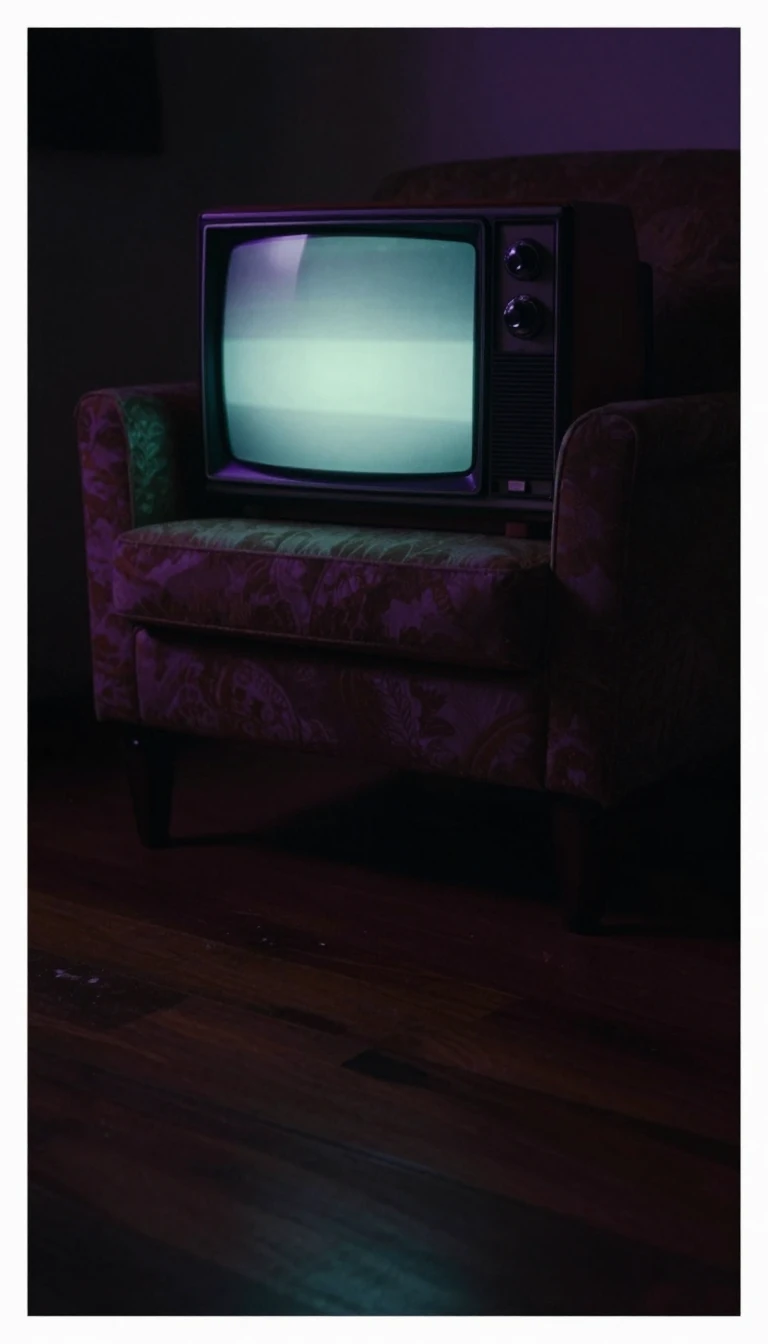
In short: In John Waters' dark comedy Serial Mom, a suburban mother kills anyone who commits a trivial social faux pas. While the film initially faced studio interference and mixed reviews, it has since earned a reputation as a biting critique of American true-crime obsession and the hypocrisy of wholesome family values.
Released in 1994, Serial Mom stars Kathleen Turner as Beverly Sutphin, an upper-middle-class housewife who hides a violent secret. Beverly murders people for minor offenses, such as taking a parking space or failing to rewind a rented videotape. The film follows her descent into notoriety, culminating in a media-saturated trial where she defends herself by exploiting the vices of her accusers. The film's satire extends to the public's fascination with true crime, a theme that critics later noted presaged the media frenzy surrounding the 1995 O. J. Simpson trial.
The production was fraught with conflict. Director John Waters clashed with Savoy Pictures executives, who demanded re-edits and a different ending due to the film's dark tone and violence. Waters refused, and the dispute only resolved after Turner enlisted the help of columnist Liz Smith to publicize the studio's interference. Despite the behind-the-scenes drama, the film features a deliberate aesthetic, incorporating clips from the works of creative influences like Doris Wishman and William Castle. The soundtrack includes a performance by the band L7 and a costly $60,000 licensing fee for the song 'Tomorrow' from the film Annie, which plays during a murder scene.
Critical reception at the time was polarized. Roger Ebert argued that Turner’s realistic portrayal of mental illness undermined the humor, suggesting the character felt 'sick crazy' rather than 'funny crazy.' Conversely, other critics praised the film as a sharp jab at societal hypocrisy. Peter Rainer of the Los Angeles Times suggested the film implies that 'antiseptic' family entertainment is more harmful than the violence it depicts. Over time, the film has shed its mixed initial reception to become a cult classic, with Slant Magazine later calling it the strongest work of the post-midnight-movie era of Waters' career.
Opens the Intellect+ feed with this card first. Swipe up for the next one.
Sources
- Summary by Intellect · source: Serial Mom
- Also: Wikidata — Serial Mom · CC0
To cite this card, link to https://intellectplus.co.uk/app/entertainment-serial-mom.
How we source, check and correct cards: Editorial standards.
General information, not professional advice. Spotted an error? Flag the card or see corrections and complaints.
Intellect Plus is a visual educational discovery platform for exploring fascinating facts and ideas. Brain Food, Not Brain Rot. What is Intellect Plus?
Related
More in Films · More in Entertainment · Latest · A–Z · All topics
