Buster Keaton hated this film, but a last-minute rock avalanche saved his career.
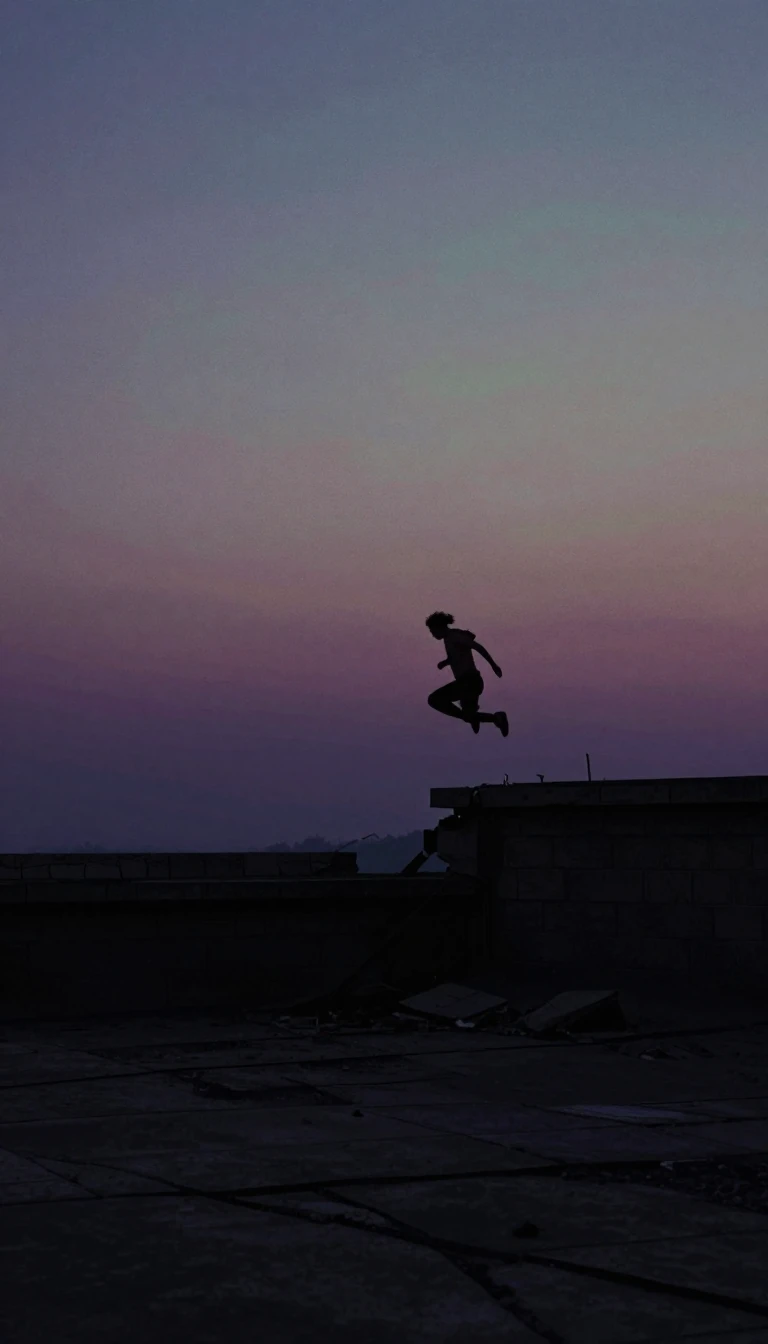
In short: Forced to adapt a play he despised to settle a debt, Buster Keaton initially considered his 1925 comedy Seven Chances a failure. Yet, a spontaneous addition to the final act—a massive, escalating rock slide—transformed the project into a box office success and one of cinema's most iconic action sequences.
In 1924, Buster Keaton was under pressure to settle a financial debt to producer Joseph Schenck. Schenck purchased the rights to Roi Cooper Megrue’s Broadway hit Seven Chances, hoping to turn it into a film. Keaton, who viewed the source material as a sappy farce, reluctantly agreed to direct and star. Production began on September 16, 1924, but the original director, John McDermott, resigned after only a week, leaving Keaton to helm the entire project himself.
The plot follows Jimmie Shannon, a broker who must marry by 7:00 p.m. on his 27th birthday to inherit seven million dollars. After his sweetheart rejects him, a newspaper advertisement triggers a chaotic pursuit by hundreds of women. Keaton originally intended the film to end with him simply running from the mob, but he found the conclusion lacking. During a preview, the audience roared at a sequence where Keaton accidentally dislodged a rock, triggering a cascading avalanche.
Keaton capitalized on this reaction by commissioning 150 papier-mâché and chicken wire boulders, some reaching 8 feet in diameter. The resulting sequence became the film's centerpiece, though it nearly cost Keaton his life; he suffered a painful leg injury when a heavy prop pinned him to the ground. Despite mixed contemporary reviews—with The New York Times critic Mordaunt Hall lamenting a slump in the fun market—the film grossed $598,288 domestically.
The film’s influence has proven remarkably durable. Its premise of a desperate race to the altar has been reworked in films like the 1999 production The Bachelor and the 1962 French comedy The Suitor. Today, the avalanche sequence is widely regarded as a masterclass in comic timing and physical invention, proving that even a project a director dislikes can yield a lasting contribution to film history.
Opens the Intellect+ feed with this card first. Swipe up for the next one.
Sources
- Summary by Intellect · source: Seven Chances
- Also: Wikidata — Seven Chances · CC0
- Also: Wikidata — Seven Chances · CC0
To cite this card, link to https://intellectplus.co.uk/app/entertainment-seven-chances.
How we source, check and correct cards: Editorial standards.
General information, not professional advice. Spotted an error? Flag the card or see corrections and complaints.
Intellect Plus is a visual educational discovery platform for exploring fascinating facts and ideas. Brain Food, Not Brain Rot. What is Intellect Plus?
Related
More in Films · More in Entertainment · Latest · A–Z · All topics
