Why a 1962 biblical epic became a cautionary tale of cinematic excess and failure
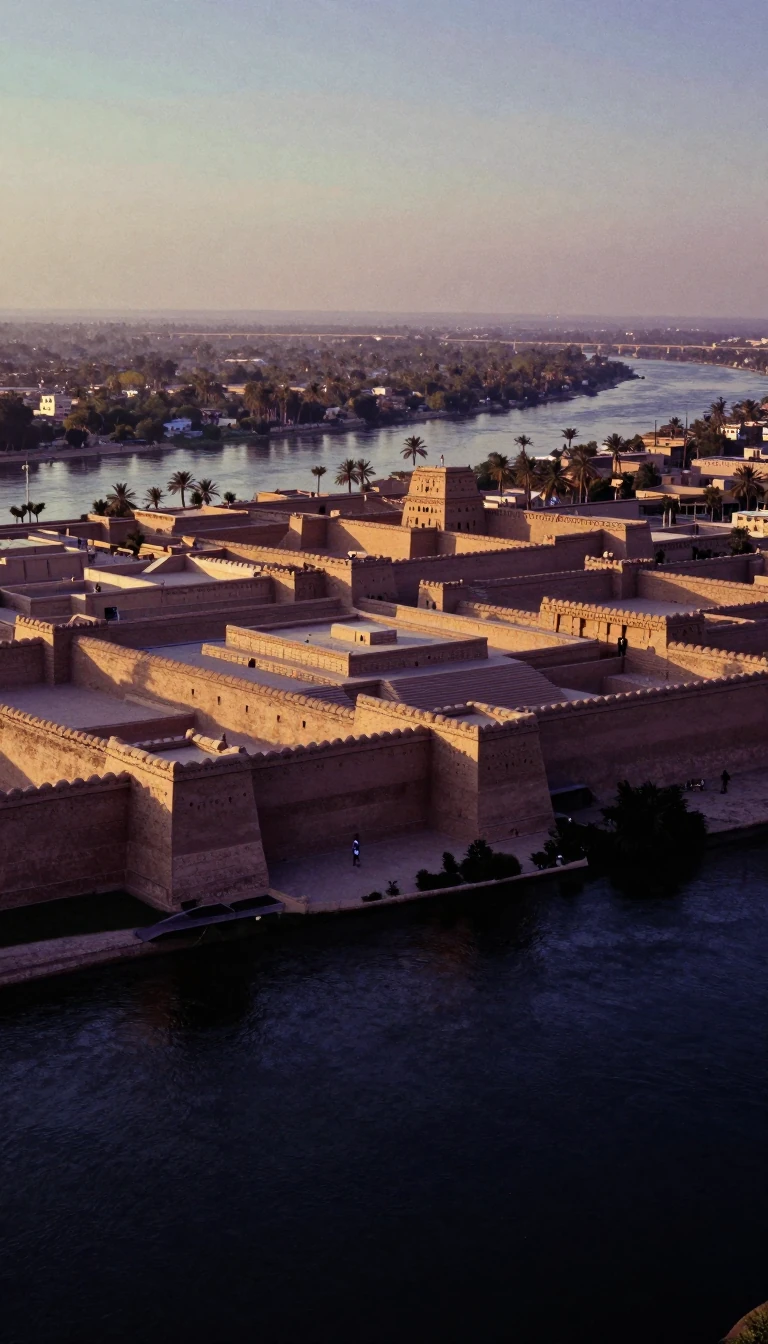
In short: Robert Aldrich’s 1962 epic Sodom and Gomorrah was meant to be a grand biblical spectacle. Instead, it became a notorious production nightmare, plagued by ballooning budgets, critical derision, and a director who later admitted the film might have worked if only the audience had believed in its central character.
The production of Sodom and Gomorrah was defined by financial instability and creative friction. Originally conceived with Henry Koster as director, the project shifted to Robert Aldrich by the fall of 1960. Producer Joseph E. Levine, initially skeptical of the script, agreed to a co-production with the Italian company Titanus, aiming to spend $2 million. However, the budget spiraled significantly, eventually reaching between $5 million and $6 million. Filming near Marrakesh proved difficult, and even Sergio Leone, hired for second-unit work, departed the production under unclear circumstances.
The film’s narrative departs from traditional biblical accounts, focusing on the twin cities' reliance on salt mining and slave labor. Lot, portrayed as a moral leader, attempts to integrate his people into Sodomite society, only to find himself compromised by the city's decadence and his own political missteps. The film’s score, composed by Miklós Rózsa—who reportedly considered the project tacky—marked his final contribution to the epic genre. The production was so fraught that even the title sequence, an orgy designed by Maurice Binder, took three days to film instead of the planned one.
Despite its commercial success in certain markets—ranking among the most popular films in Italy and Britain in 1963—critical reception was overwhelmingly negative. Bosley Crowther of The New York Times dismissed it as a feeble imitation of Cecil B. de Mille’s work, focusing more on salt mining than the promised debauchery. Modern critics have largely echoed these sentiments, labeling it a low point in Aldrich’s career. In a posthumously published interview, Aldrich defended the effort, suggesting that the removal of thirty minutes of footage and the difficulty of casting a convincing Lot contributed to the film’s perceived failure.
Opens the Intellect+ feed with this card first. Swipe up for the next one.
Sources
- Summary by Intellect · source: Sodom and Gomorrah (1962 film)
To cite this card, link to https://intellectplus.co.uk/app/entertainment-sodom-and-gomorrah-1962-film.
How we source, check and correct cards: Editorial standards.
General information, not professional advice. Spotted an error? Flag the card or see corrections and complaints.
Intellect Plus is a visual educational discovery platform for exploring fascinating facts and ideas. Brain Food, Not Brain Rot. What is Intellect Plus?
Related
More in Films · More in Entertainment · Latest · A–Z · All topics
