A mysterious underwater craft forces a team to confront their own darkest, manifested fears.
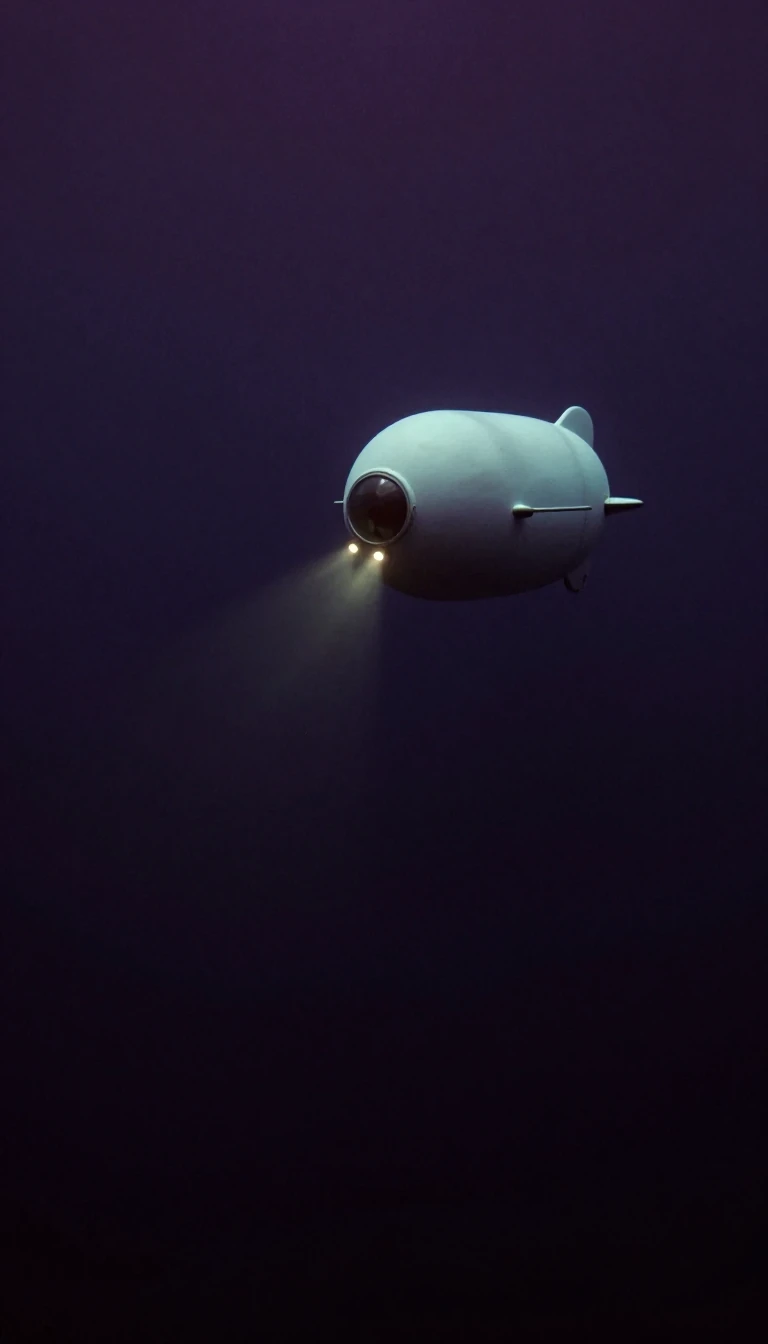
In short: When a group of experts discovers a spacecraft on the Pacific floor, they find a perfect, impenetrable sphere inside. The object grants them the terrifying ability to turn their subconscious thoughts into reality, transforming their underwater habitat into a lethal trap where their deepest anxieties become physical, deadly threats.
Directed by Barry Levinson and released in 1998, the film adaptation of Michael Crichton's novel follows a specialized team—including characters played by Dustin Hoffman, Sharon Stone, and Samuel L. Jackson—sent to investigate a vessel resting on the ocean floor. Initially believed to be alien, the craft is revealed to be American, having traveled through a black hole from the future before crashing in the 1700s. The central mystery revolves around a metallic sphere found within the cargo bay, which bestows upon those who enter it the power to manifest their imagination into physical existence.
The narrative tension escalates as the crew members, isolated by a typhoon, begin to experience horrific events. They initially blame an alien entity they call Jerry, but the protagonist, a psychologist, eventually realizes the horrors are projections of the crew's own minds. As the team members succumb to their fears, the base becomes a site of chaos, with equipment failures and aggressive wildlife attacks threatening their survival. The psychological toll is immense, as the characters realize that their own internal struggles are actively endangering their lives.
The film's production was marked by budgetary constraints and a mid-project script revision, with principal photography concluding in July 1997. Despite the involvement of a high-profile cast, the movie was a critical and commercial disappointment, grossing $73.4 million against a budget estimated between $73 million and $80 million. Critics frequently labeled the work derivative, noting that it failed to distinguish itself within the science fiction genre. The film's legacy is perhaps most unusual for its indirect role in inspiring Levinson's later project, Liberty Heights, after the director took issue with a critic's specific commentary on the lead actor's performance.
Ultimately, the survivors choose to use their newfound abilities to erase their own memories of the encounter, hoping to prevent humanity from misusing such power. The sphere itself departs, leaving the paradox of the 'unknown event' unresolved. While the film struggled to find an audience or critical acclaim, it remains a curious exploration of how human psychology might react to the sudden acquisition of god-like, reality-altering capabilities.
Opens the Intellect+ feed with this card first. Swipe up for the next one.
Sources
- Summary by Intellect · source: Sphere (1998 film)
To cite this card, link to https://intellectplus.co.uk/app/entertainment-sphere-1998-film.
How we source, check and correct cards: Editorial standards.
General information, not professional advice. Spotted an error? Flag the card or see corrections and complaints.
Intellect Plus is a visual educational discovery platform for exploring fascinating facts and ideas. Brain Food, Not Brain Rot. What is Intellect Plus?
Related
More in Films · More in Entertainment · Latest · A–Z · All topics
