A 1959 film captured the world's Cold War terror through a slow, radioactive apocalypse.
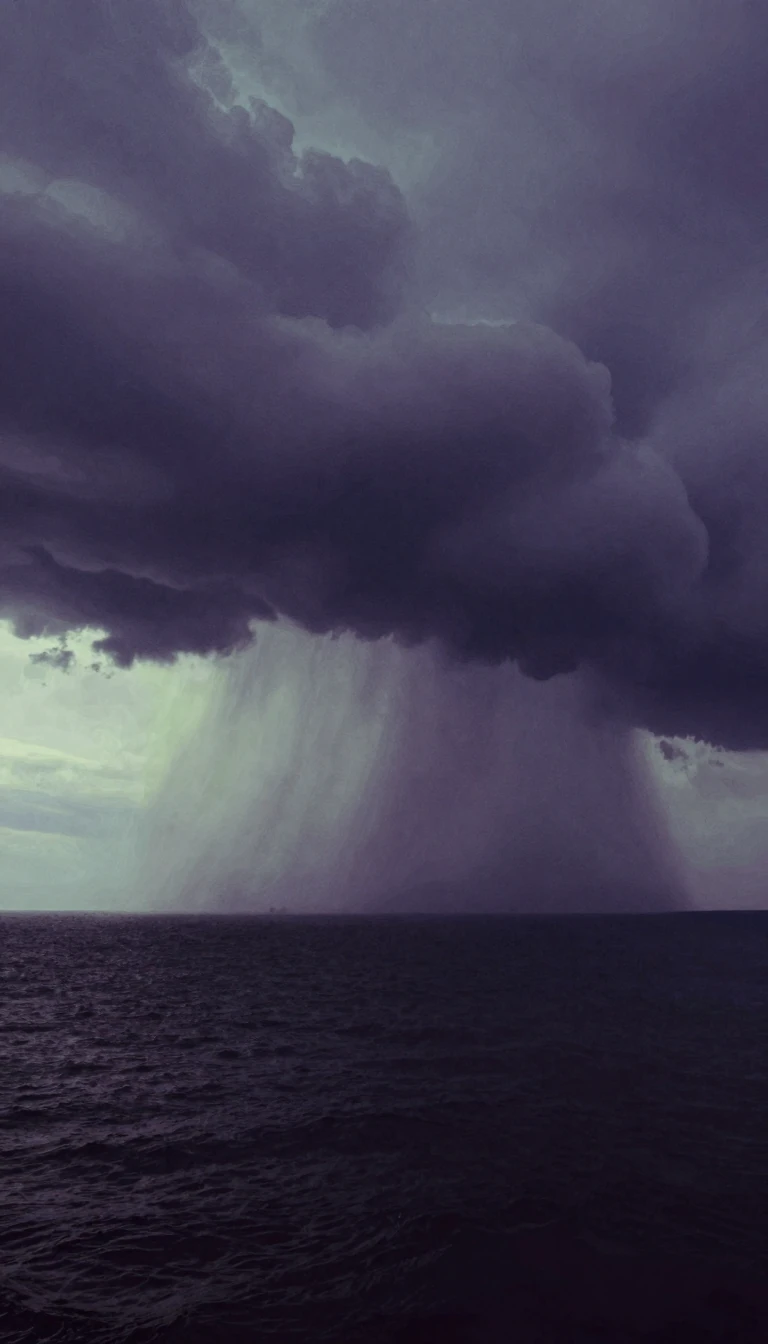
In short: Released at the height of the Cold War, On the Beach depicted a world decimated by nuclear fallout. As radioactive winds drifted toward Australia, the last refuge on Earth, survivors faced an inevitable end. The film’s haunting portrayal of humanity’s final days sparked intense political debate and remains a chilling cinematic landmark.
Directed by Stanley Kramer and based on the 1957 novel by Nevil Shute, the 1959 film On the Beach imagines the aftermath of a global nuclear conflict in 1964. Unlike many war films, it avoids assigning blame for the catastrophe, instead attributing the annihilation to fear, accident, and misjudgment. The story centers on the crew of the USS Sawfish, an American submarine that retreats to Melbourne, Australia, as radioactive fallout slowly renders the Northern Hemisphere uninhabitable.
The film is defined by its atmosphere of quiet, encroaching doom. The crew investigates mysterious, unexplained telegraph signals emanating from San Diego, only to discover they are caused by a random ocean breeze hitting a telegraph key. This realization confirms that no salvation exists, forcing the characters to confront their mortality. The narrative explores how different people choose to spend their final moments, from racing cars in the Australian Grand Prix to seeking solace in romance or religious faith.
Upon its release, the film became a lightning rod for Cold War anxieties. Liberals praised its pacifist message, while conservatives criticized its plea for disarmament as naive. The production was notable for its emotional depth, bolstered by Ernest Gold’s Academy Award-nominated score, which frequently incorporated the Australian ballad “Waltzing Matilda.” The cast, including Gregory Peck, Ava Gardner, and Fred Astaire in his first dramatic role, brought a desperate, bittersweet quality to the story as they awaited the end alongside the doomed population of Melbourne.
The film’s legacy is tied to its stark depiction of the choice between duty and personal connection. As the end approaches, the government distributes suicide pills to those who prefer not to endure radiation sickness. The final scenes, featuring empty streets and a Salvation Army banner reading “There is still time .. Brother,” solidified the film’s status as a haunting meditation on the fragility of human existence in the nuclear age.
Opens the Intellect+ feed with this card first. Swipe up for the next one.
Sources
- Summary by Intellect · source: On the Beach | Summary & Facts | Britannica
- Also: On the Beach (1959 film)
To cite this card, link to https://intellectplus.co.uk/app/entertainment-on-the-beach-1959-film.
How we source, check and correct cards: Editorial standards.
General information, not professional advice. Spotted an error? Flag the card or see corrections and complaints.
Intellect Plus is a visual educational discovery platform for exploring fascinating facts and ideas. Brain Food, Not Brain Rot. What is Intellect Plus?
Related
More in Films · More in Entertainment · Latest · A–Z · All topics
