Why a 1948 Chinese film once rejected as reactionary is now a masterpiece
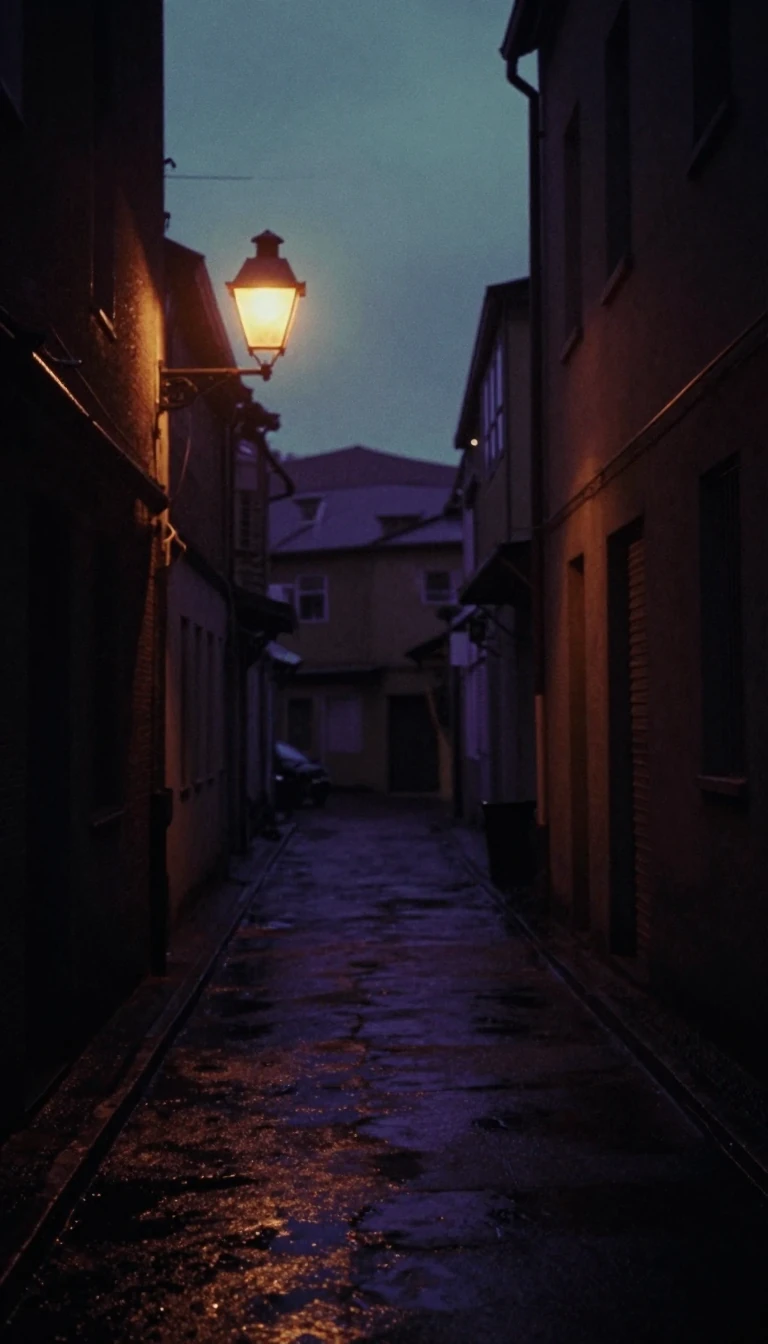
In short: Fei Mu's 1948 film Spring in a Small Town was once dismissed as a rightist, apolitical failure. Today, it is celebrated as the greatest Chinese film ever made. This minimalist drama of love and duty in a ruined post-war compound captures the tension between individual desire and Confucian restraint.
Produced by the Wenhua Film Company during the Chinese Civil War, the film was born from financial necessity. With a limited budget and only five characters, director Fei Mu crafted a minimalist narrative set in a crumbling family estate in Jiangnan. The story follows Yuwen, a woman trapped in a loveless marriage to her ill, depressed husband, Liyan, whose life is upended by the arrival of her former lover, Zhang Zhichen. The film’s atmosphere is defined by the recurring motif of a ruined city wall, symbolizing both the physical destruction of the Second Sino-Japanese War and the psychological trauma of the post-war era.
The film is noted for its unique lyrical style, particularly Yuwen’s voice-over narration, which guides the audience through her internal emotional struggles for the first 18 minutes. Fei Mu’s direction, influenced by the aesthetics of ancient Chinese poetry, emphasizes restraint. The characters navigate a complex web of loyalty and passion, ultimately adhering to the Confucian principle of fa hu qing, zhi hu li—the idea that while one may feel love, one must not cross the boundaries of etiquette. This tension between instinct and duty provides the film’s moral and dramatic core.
Upon its release, the film was ignored and criticized by the Communist Party for its lack of overt political grounding, failing to align with the socialist realist policies of the time. It remained largely forgotten until the China Film Archive restored it in the early 1980s. Since then, its reputation has soared; in 2005, the Hong Kong Film Awards voted it the best Chinese film ever made. Its legacy persists through scholarly analysis, a 2002 remake by Tian Zhuangzhuang, and its status as a foundational work of Chinese cinema that prioritizes poetic subjectivity over traditional plot-driven storytelling.
Opens the Intellect+ feed with this card first. Swipe up for the next one.
Sources
- Summary by Intellect · source: Spring in a Small Town
- Also: Wikidata — Spring in a Small Town · CC0
- Also: Wikidata — Spring in a Small Town · CC0
To cite this card, link to https://intellectplus.co.uk/app/entertainment-spring-in-a-small-town.
How we source, check and correct cards: Editorial standards.
General information, not professional advice. Spotted an error? Flag the card or see corrections and complaints.
Intellect Plus is a visual educational discovery platform for exploring fascinating facts and ideas. Brain Food, Not Brain Rot. What is Intellect Plus?
Related
More in Films · More in Entertainment · Latest · A–Z · All topics
