Can teenagers resist a totalitarian regime by dancing to American swing music?
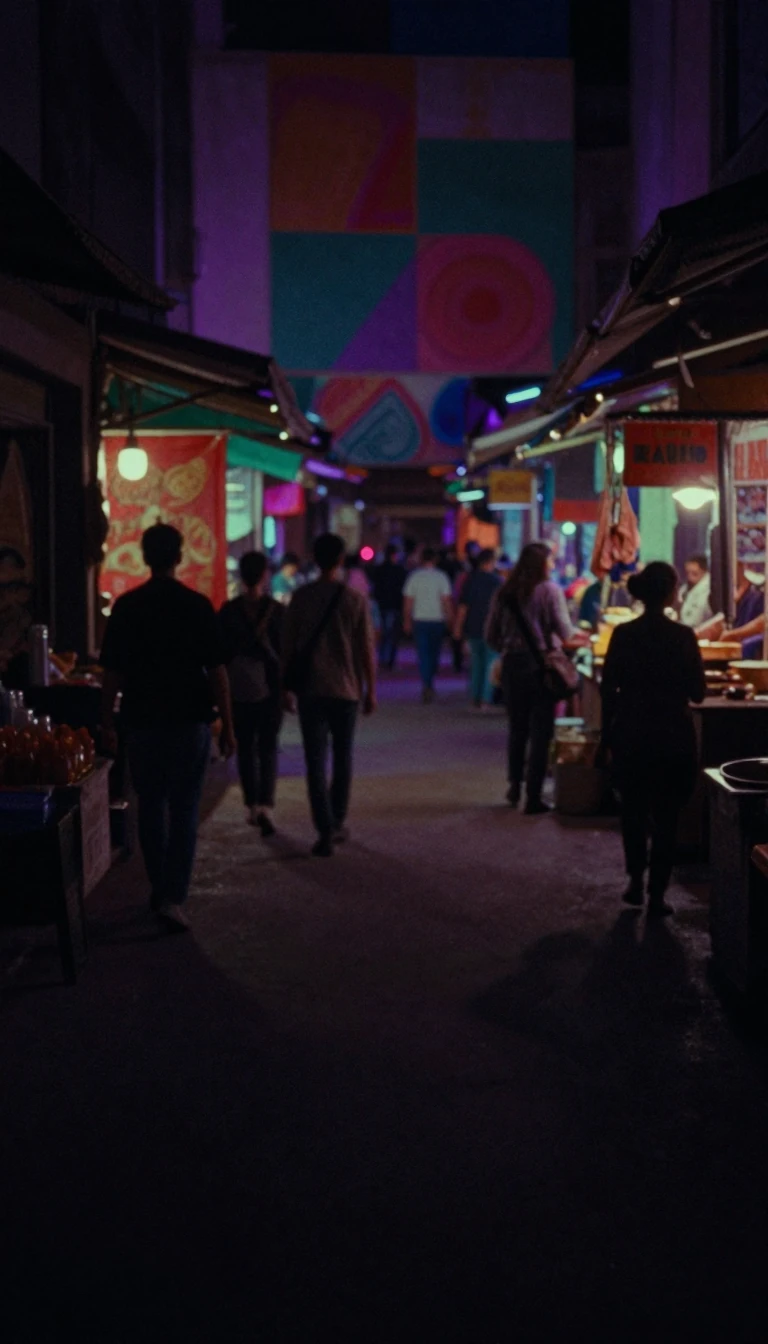
In short: In 1939 Hamburg, a group of friends attempts to balance the rigid demands of the Hitler Youth by day with the rebellious freedom of underground swing clubs by night. This 1993 drama explores the moral compromises of survival, the allure of ideology, and the high cost of maintaining one's identity.
Directed by Thomas Carter, the 1993 film Swing Kids depicts a youth subculture that emerged in Nazi Germany. These teenagers, inspired by American and British pop culture, sought refuge in secret clubs to listen to jazz artists like Benny Goodman and Duke Ellington. While the film uses the term 'Swing Kids,' screenwriter Jonathan Marc Feldman noted that the movement was more commonly referred to as 'Schlurf' at the time. The narrative centers on two friends, Peter Müller and Thomas Berger, whose lives diverge as one is coerced into the Hitlerjugend to protect his family, while the other struggles to maintain his integrity against the encroaching Nazi agenda.
The film received a polarized reception upon its release. Critics like Roger Ebert dismissed it as 'murky,' arguing that it failed to adequately address the scale of Nazi atrocities. Conversely, some viewers praised it as a well-researched, sincere historical drama that offered a grim look at how the regime infiltrated German families, forcing children to spy on their own parents. The story highlights the internal pressure of the era, where even minor acts of defiance—such as refusing to play a German song or wearing the wrong clothes—could lead to brutal consequences, including physical assault or state-sanctioned suicide.
Commercially, the film struggled, grossing $5.6 million against a $12 million budget. Despite its mixed critical legacy, the film remains a distinct attempt to portray the Nazi era not through the lens of action-adventure tropes, but through the personal, often tragic, experiences of German youth. It serves as a reminder that for many, the resistance against totalitarianism was not a grand battle, but a quiet, dangerous struggle to preserve a sense of self in a world demanding total conformity.
Opens the Intellect+ feed with this card first. Swipe up for the next one.
Sources
- Summary by Intellect · source: Swing Kids (1993 film)
To cite this card, link to https://intellectplus.co.uk/app/entertainment-swing-kids-1993-film.
How we source, check and correct cards: Editorial standards.
General information, not professional advice. Spotted an error? Flag the card or see corrections and complaints.
Intellect Plus is a visual educational discovery platform for exploring fascinating facts and ideas. Brain Food, Not Brain Rot. What is Intellect Plus?
Related
More in Films · More in Entertainment · Latest · A–Z · All topics
