How a 1966 war film used real stunt pilots to capture impossible aerial feats
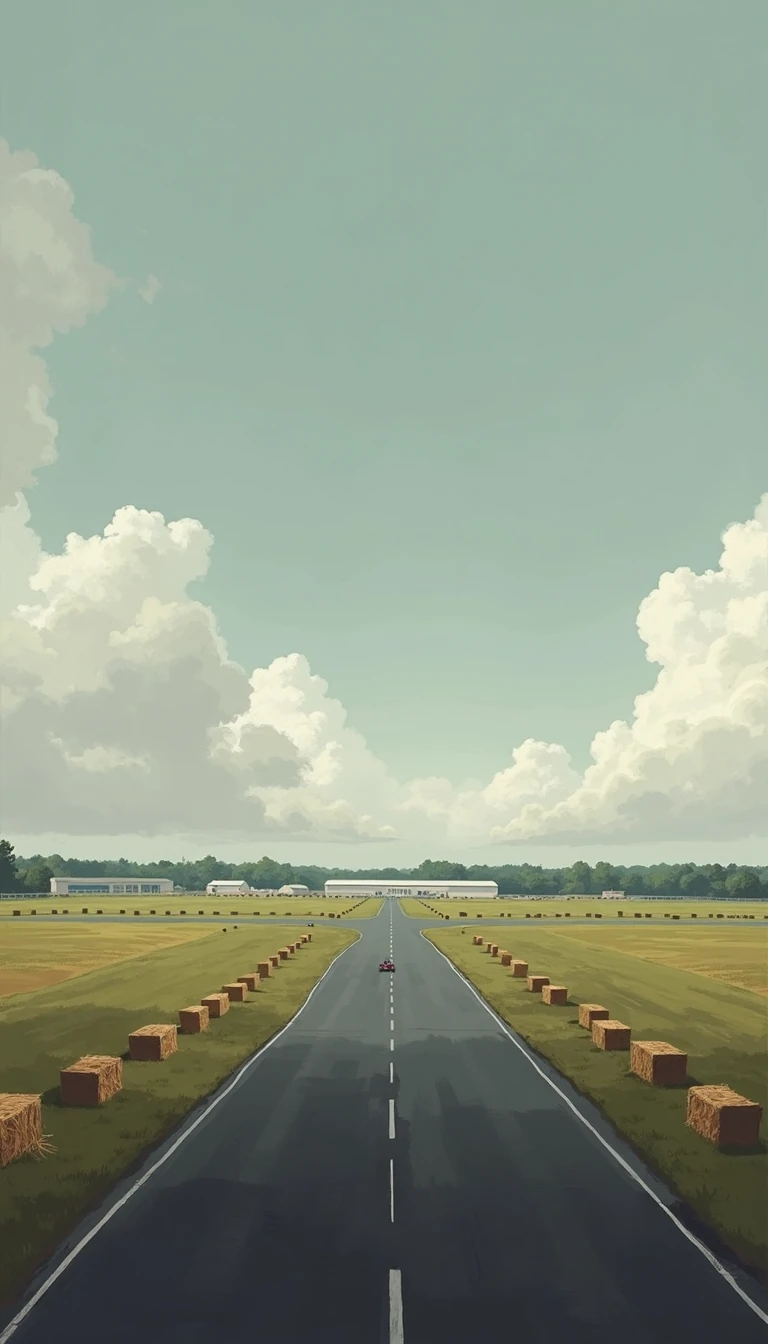
In short: The Blue Max is famous for its visceral, realistic dogfights, including a daring sequence where a pilot flies under a 19th-century railway viaduct. To achieve this, the production relied on genuine stunt flying rather than models, creating a cinematic legacy that remains a benchmark for aviation films today.
Released in 1966, The Blue Max tells the story of Bruno Stachel, a German fighter pilot in World War I who is obsessed with winning the prestigious Blue Max medal. Unlike many war films that romanticize the era, this production explores the decline of chivalry and the brutal reality of total war. The film, directed by John Guillermin, was shot entirely in Ireland, utilizing locations like Dublin, Wicklow, and Cork to recreate the Western Front.
The film's commitment to authenticity was driven by actor George Peppard, who earned a private pilot's license to perform some of his own flying. However, the most dangerous stunts were handled by professional pilots. Stunt pilot Derek Piggott famously flew a Fokker Dr.I triplane under the Carrickabrack Railway Viaduct in Fermoy 32 times to capture the perfect shot. With only four feet of clearance on either side, the stunt was so precise that the production team placed sheep nearby to prove the action was real, though the animals eventually became too accustomed to the aircraft to scatter on cue.
The production's technical ambition extended to its fleet of aircraft. Fox spent $250,000 to construct nine war planes, including replicas of Pfalz D.IIIs, Fokker D.VIIs, and Fokker Dr.I triplanes. Many other aircraft were modified Tiger Moths and Stampe SV.4s. The film's score, composed by Jerry Goldsmith, was equally grand, requiring over 100 musicians for some cues. Following the production, the entire collection of aircraft and equipment was preserved by pilot Lynn Garrison, ensuring that these historical replicas continued to appear in later films and museum displays.
While the film is based on Jack D. Hunter's 1964 novel, it significantly alters the plot and character motivations. In the book, Stachel is a troubled alcoholic who murders his rival, Willi von Klugermann, to secure a new aircraft. The film shifts the tone, portraying Stachel as a commoner seeking validation, and changes the ending to a tragic accident involving a flawed monoplane. These creative choices highlight the film's focus on the tension between personal ambition and the rigid, often hypocritical, structures of the military establishment.
Opens the Intellect+ feed with this card first. Swipe up for the next one.
Sources
- Summary by Intellect · source: The Blue Max
- Also: Wikidata — The Blue Max · CC0
- Also: Wikidata — The Blue Max · CC0
To cite this card, link to https://intellectplus.co.uk/app/entertainment-the-blue-max.
How we source, check and correct cards: Editorial standards.
General information, not professional advice. Spotted an error? Flag the card or see corrections and complaints.
Intellect Plus is a visual educational discovery platform for exploring fascinating facts and ideas. Brain Food, Not Brain Rot. What is Intellect Plus?
Related
More in Films · More in Entertainment · Latest · A–Z · All topics
