An alien invasion thriller that traded American tropes for a gritty Moscow perspective
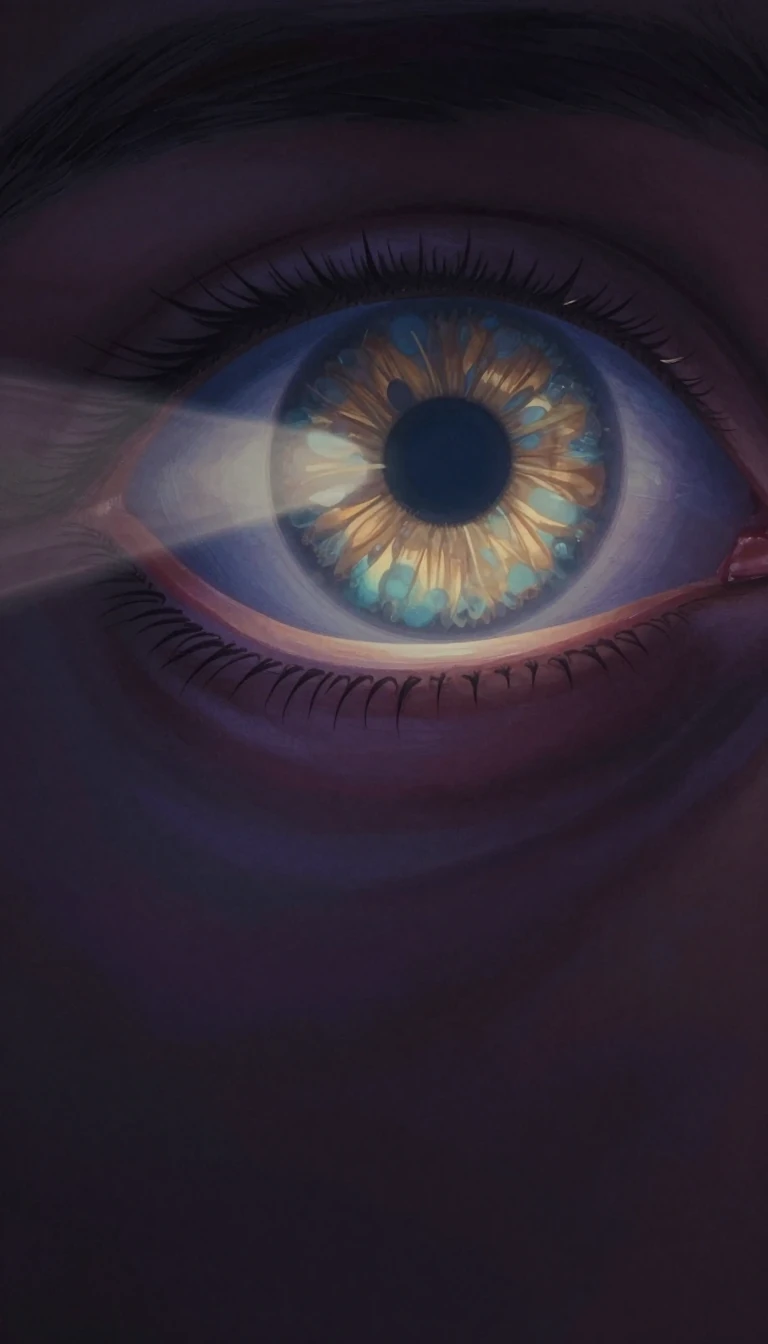
In short: Released in 2011, The Darkest Hour offered a unique spin on the alien invasion genre by shifting the focus from the United States to Russia. Produced by Timur Bekmambetov and directed by Chris Gorak, the film follows a group of stranded tourists fighting invisible, energy-consuming extraterrestrials in a desolate Moscow.
The film centers on two American entrepreneurs, Ben and Sean, who travel to Moscow for business only to find themselves trapped when invisible entities begin disintegrating humanity. The aliens are depicted as shifting, spherical objects that hunt by sensing electrical charges, a weakness that allows survivors to hide behind glass or other insulators. As the protagonists navigate the ruins of the city, they encounter a local electrical engineer named Sergei, who constructs a Faraday cage and develops a microwave gun capable of rendering the invaders visible and vulnerable. This narrative shift toward a Russian setting was a deliberate choice by producer Timur Bekmambetov, aiming to provide a fresh vantage point on the standard doomsday scenario.
Production for the film was an ambitious undertaking that began in Moscow on July 18, 2010, utilizing 3D cameras and resources from the Russian-based company Bazelevs. The shoot faced significant environmental challenges, most notably the 2010 Russian wildfires, which forced a three-week suspension of filming due to heavy smog blanketing the city. Despite these hurdles, production resumed in September 2010, though subsequent scheduling conflicts eventually pushed the United States release date to December 25, 2011. The film operated on a production budget of approximately $34.8 million, ultimately grossing $65 million worldwide.
Critical reception of the film was overwhelmingly negative. Review aggregators like Rotten Tomatoes recorded a 12% approval rating, with critics frequently citing a lack of compelling characters and a weak screenplay. Publications such as The New York Times and The Hollywood Reporter dismissed the project as a failure of imagination, while Slant Magazine labeled it a dimwitted travesty. However, not all feedback was entirely dismissive; Joe Leydon of Variety offered a more nuanced take, describing the film as a modestly inventive variation on traditional sci-fi tropes. Despite the harsh critical consensus and a C+ grade from CinemaScore audiences, the film remains a notable example of an internationalized approach to the high-stakes alien invasion subgenre.
Opens the Intellect+ feed with this card first. Swipe up for the next one.
Sources
- Summary by Intellect · source: The Darkest Hour (film)
To cite this card, link to https://intellectplus.co.uk/app/entertainment-the-darkest-hour-film.
How we source, check and correct cards: Editorial standards.
General information, not professional advice. Spotted an error? Flag the card or see corrections and complaints.
Intellect Plus is a visual educational discovery platform for exploring fascinating facts and ideas. Brain Food, Not Brain Rot. What is Intellect Plus?
Related
More in Films · More in Entertainment · Latest · A–Z · All topics
