A haunting cinematic meditation on waiting for a war that never arrives
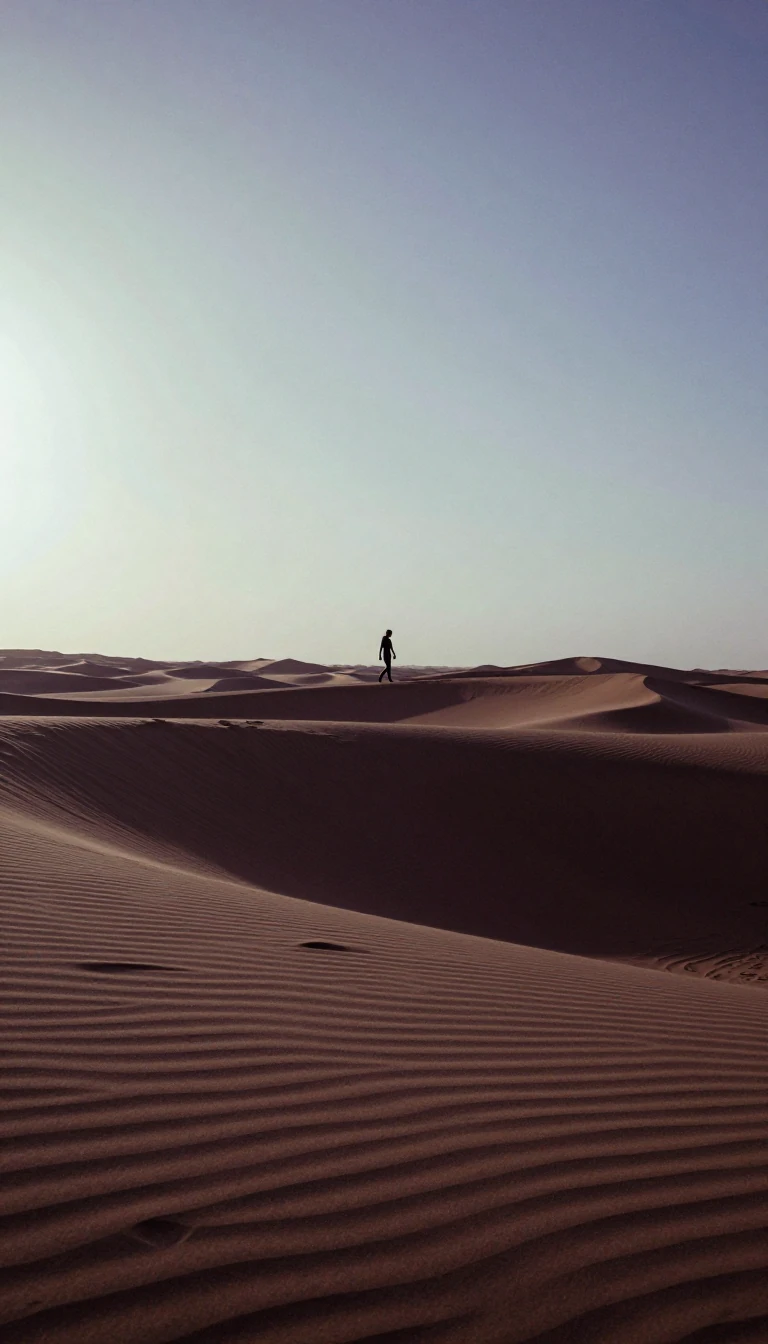
In short: In Valerio Zurlini’s 1976 masterpiece, a young officer is stationed at a desolate, ancient fortress guarding an empty frontier. As the garrison performs endless, hollow military rituals, the crushing weight of isolation and the anticipation of a phantom enemy slowly dismantle their sanity, bodies, and sense of purpose.
Released in Italy on October 29, 1976, The Desert of the Tartars adapts Dino Buzzati’s novel The Tartar Steppe. Set around 1900, the narrative follows Lieutenant Drogo, who arrives at a remote medieval castle on the empire's edge. The film features an international ensemble including Jacques Perrin, Vittorio Gassman, Max von Sydow, and Philippe Noiret, with a score composed by Ennio Morricone. The production utilized the historic Arg-e Bam in Iran to capture its stark, desolate atmosphere.
The film’s visual language is deeply indebted to the metaphysical paintings of Giorgio de Chirico, emphasizing a sense of timeless, eerie stillness. Within the fortress, the soldiers are trapped in a cycle of rigid military protocol despite the complete absence of the ferocious Tartars they are meant to repel. This prolonged stagnation breeds internal decay; the officers engage in constant bickering, a platoon mutinies following a summary execution, and the commander eventually chooses suicide in the desert. The environment acts as a corrosive force, eroding the men both mentally and physically.
The story concludes with the tragic decline of Drogo himself. After succumbing to illness, he is removed from the outpost, only to pass away while being transported back toward civilization. The film’s artistic merit was recognized with several accolades, including the 1977 Silver Ribbon for Best Director and Best Supporting Actor from the Italian National Syndicate of Film Journalists, as well as a David Award for director Valerio Zurlini. Decades later, the work remained significant enough to be featured in the retrospective programming at the 2013 Cannes Film Festival.
Ultimately, the film serves as a profound exploration of existential dread and the human tendency to sacrifice life for a purpose that may be entirely illusory. By focusing on the psychological erosion caused by waiting, Zurlini transforms a military drama into a universal statement on the futility of seeking meaning in a void.
Opens the Intellect+ feed with this card first. Swipe up for the next one.
Sources
- Summary by Intellect · source: The Desert of the Tartars
- Also: Wikidata — The Desert of the Tartars · CC0
To cite this card, link to https://intellectplus.co.uk/app/entertainment-the-desert-of-the-tartars.
How we source, check and correct cards: Editorial standards.
General information, not professional advice. Spotted an error? Flag the card or see corrections and complaints.
Intellect Plus is a visual educational discovery platform for exploring fascinating facts and ideas. Brain Food, Not Brain Rot. What is Intellect Plus?
Related
More in Films · More in Entertainment · Latest · A–Z · All topics
