How a film about a fashion magazine overcame industry fear to become a classic
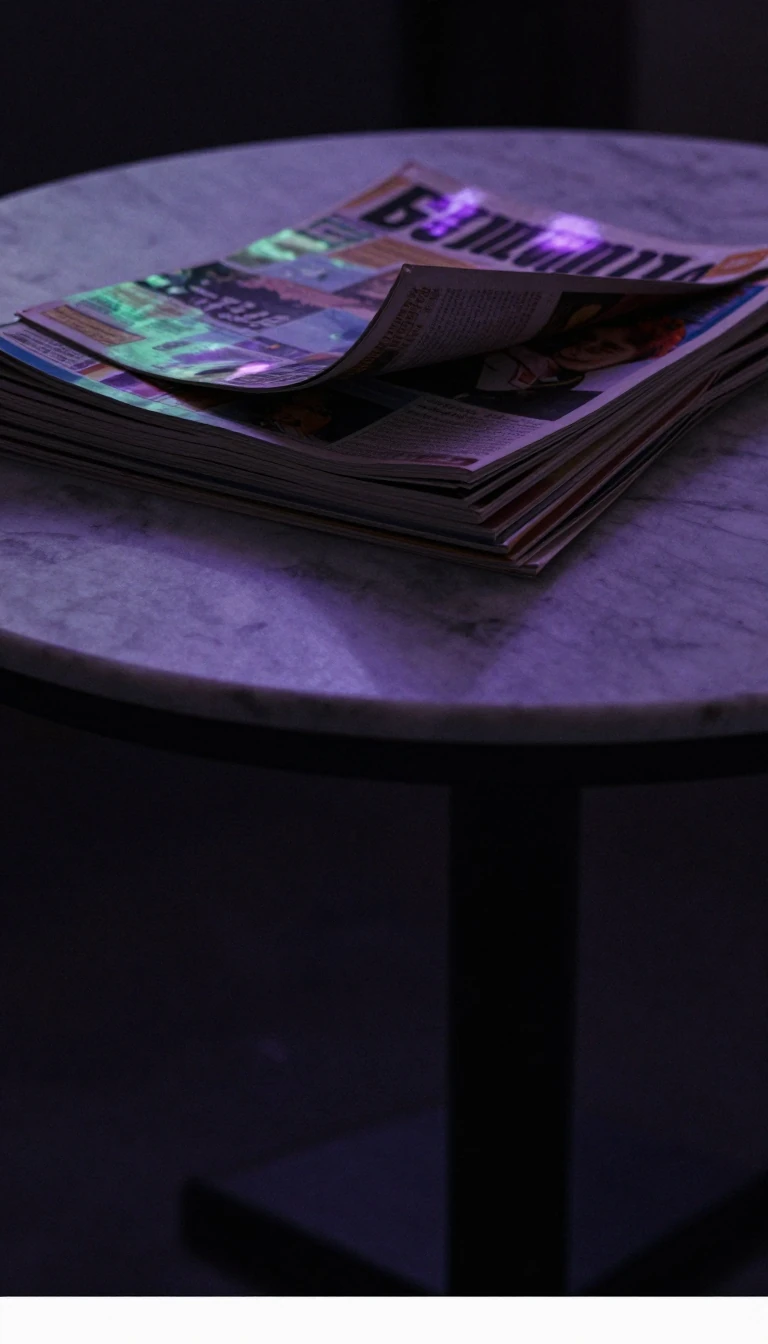
In short: The Devil Wears Prada was nearly impossible to make. Major designers feared offending Vogue editor Anna Wintour, and the studio struggled to greenlight the project until Meryl Streep signed on. Yet, through creative costuming and a sharp screenplay, it became a cultural phenomenon that grossed over $300 million worldwide.
When 20th Century Fox purchased the rights to Lauren Weisberger's 2003 novel, the project faced immediate hurdles. The fashion industry, wary of potential retaliation from American Vogue editor Anna Wintour—the widely assumed inspiration for the film's antagonist, Miranda Priestly—largely refused to cooperate. This fear extended to apartment co-op boards, which blocked the production from using their buildings for filming. Director David Frankel and producer Wendy Finerman navigated these constraints by relying on costume designer Patricia Field, whose personal connections helped secure clothing, including a pivotal contribution from Prada that helped break the industry's ice.
The film's production was defined by high stakes and limited resources. Principal photography spanned 57 days in late 2005, primarily in New York City, with a brief, exterior-only shoot in Paris. Meryl Streep, who initially negotiated her salary up to $4 million to secure the project, adopted a Method approach, staying in character between takes. Her portrayal of Priestly—a role for which she earned an Academy Award nomination—was a composite of various influences, including the soft-spoken authority of Christine Lagarde and the comedic timing of director Mike Nichols. The iconic 'cerulean speech' was expanded specifically to suit Streep's vision of the character as a business-focused leader rather than a caricature.
The screenplay, finalized by Aline Brosh McKenna, underwent multiple revisions to balance the source material's tone. While the film satirized the fashion world, it also aimed for a level of realism that required navigating the industry's sensitivity. The result was a commercial success, grossing $327 million against a budget of roughly $35–41 million. Beyond the box office, the film left a lasting mark on pop culture, with its specific lines and aesthetic choices—such as the 'cerulean' monologue—becoming shorthand for the intersection of high-stakes business and the seemingly superficial world of fashion.
Opens the Intellect+ feed with this card first. Swipe up for the next one.
Sources
- Summary by Intellect · source: The Devil Wears Prada (film)
To cite this card, link to https://intellectplus.co.uk/app/entertainment-the-devil-wears-prada-film.
How we source, check and correct cards: Editorial standards.
General information, not professional advice. Spotted an error? Flag the card or see corrections and complaints.
Intellect Plus is a visual educational discovery platform for exploring fascinating facts and ideas. Brain Food, Not Brain Rot. What is Intellect Plus?
Related
More in Films · More in Entertainment · Latest · A–Z · All topics
