Why a 1989 musical drama about lounge pianists became a cult classic of cinema
In short: Steve Kloves’s directorial debut, The Fabulous Baker Boys, follows two brothers in a struggling piano duo who hire a singer to revive their act. While it underperformed at the box office, the film earned critical acclaim, featuring a legendary musical performance that remains one of the most iconic scenes in history.
Writer-director Steve Kloves conceived the story after watching the piano duo Ferrante & Teicher on The Ed Sullivan Show during the 1960s. Fascinated by the concept of blue-collar musicians, he spent years navigating studio resistance to bring his vision to the screen. The project faced significant hurdles, including a four-year development period and skepticism from peers who labeled the script a bizarre idea. Kloves eventually secured funding by selling the project as a spec script, with production finally commencing in December 1988.
The film stars real-life brothers Jeff and Beau Bridges as Jack and Frank Baker. Their casting was a pivotal decision; while the studio initially resisted the idea of hiring Beau, Jeff lobbied for his brother, even showing executives a Polaroid of them performing together as teenagers. The chemistry between the two was central to the film's emotional weight, with the actors even choreographing their own climactic fight scene. To prepare, the brothers spent months learning the film's songs, though their piano audio was ultimately dubbed by composer Dave Grusin and musician John F. Hammond.
Michelle Pfeiffer’s portrayal of lounge singer Susie Diamond became the film's standout element. Pfeiffer underwent months of rigorous voice training to perform the jazz and pop standards herself. Her rendition of "Makin' Whoopee," performed atop a grand piano, was choreographed by Peggy Holmes and required six hours to film. Despite her initial hesitation and fear that audiences would find the scene laughable, it became a defining moment in her career. Pfeiffer received an Academy Award nomination for Best Actress, and the film was recognized by the National Board of Review as one of the year's 10 best.
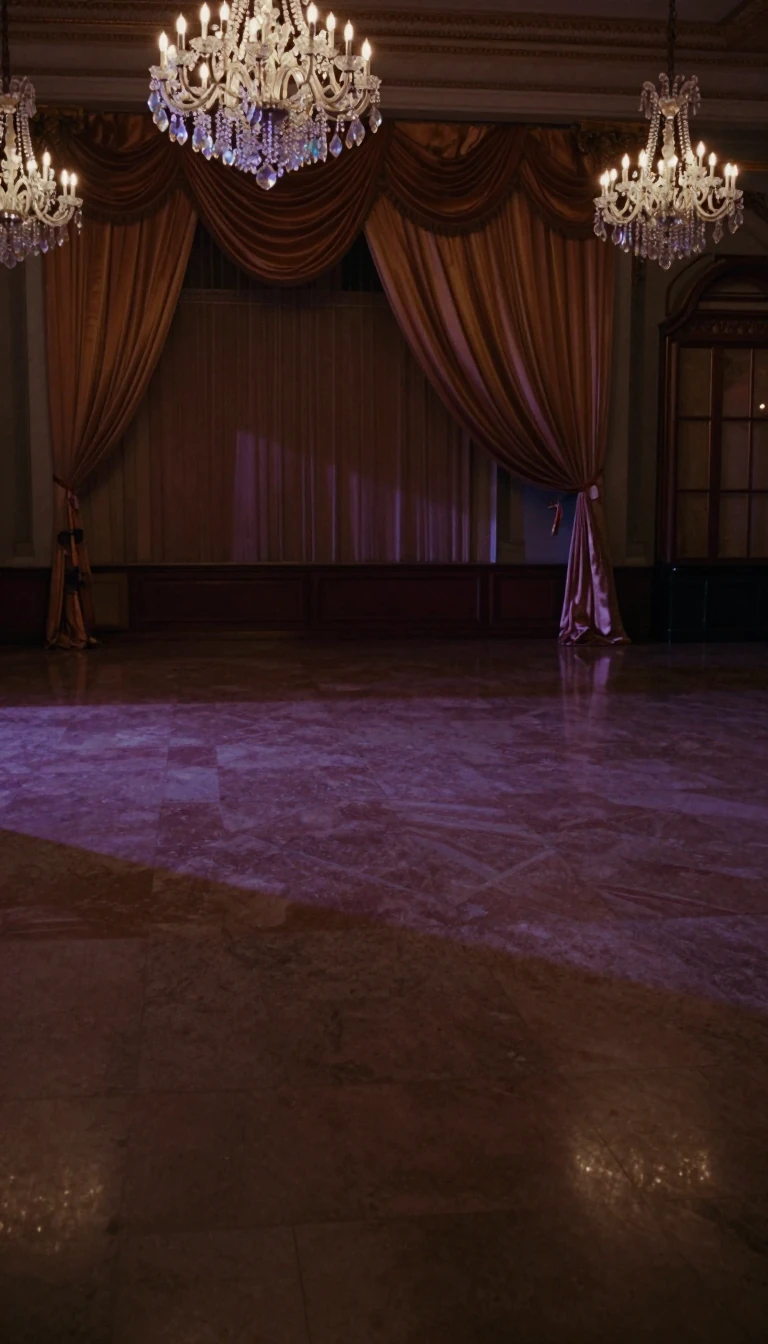
Aesthetically, Kloves and cinematographer Michael Ballhaus aimed for the mood of an Edward Hopper painting, utilizing dark crimson booths and amber lighting to evoke a sense of decay. The film’s production, largely shot in Los Angeles despite being set in Seattle, was completed in March 1989. While it struggled financially upon release, the film’s legacy endures through its nuanced exploration of familial dysfunction and the gritty reality of working-class artistry.
Opens the Intellect+ feed with this card first. Swipe up for the next one.
Sources
- Summary by Intellect · source: The Fabulous Baker Boys
- Also: Wikidata — The Fabulous Baker Boys · CC0
- Also: Wikidata — The Fabulous Baker Boys · CC0
To cite this card, link to https://intellectplus.co.uk/app/entertainment-the-fabulous-baker-boys.
How we source, check and correct cards: Editorial standards.
General information, not professional advice. Spotted an error? Flag the card or see corrections and complaints.
Intellect Plus is a visual educational discovery platform for exploring fascinating facts and ideas. Brain Food, Not Brain Rot. What is Intellect Plus?
Related
More in Films · More in Entertainment · Latest · A–Z · All topics
