A teenage daydream became the most expensive European film of the twentieth century.
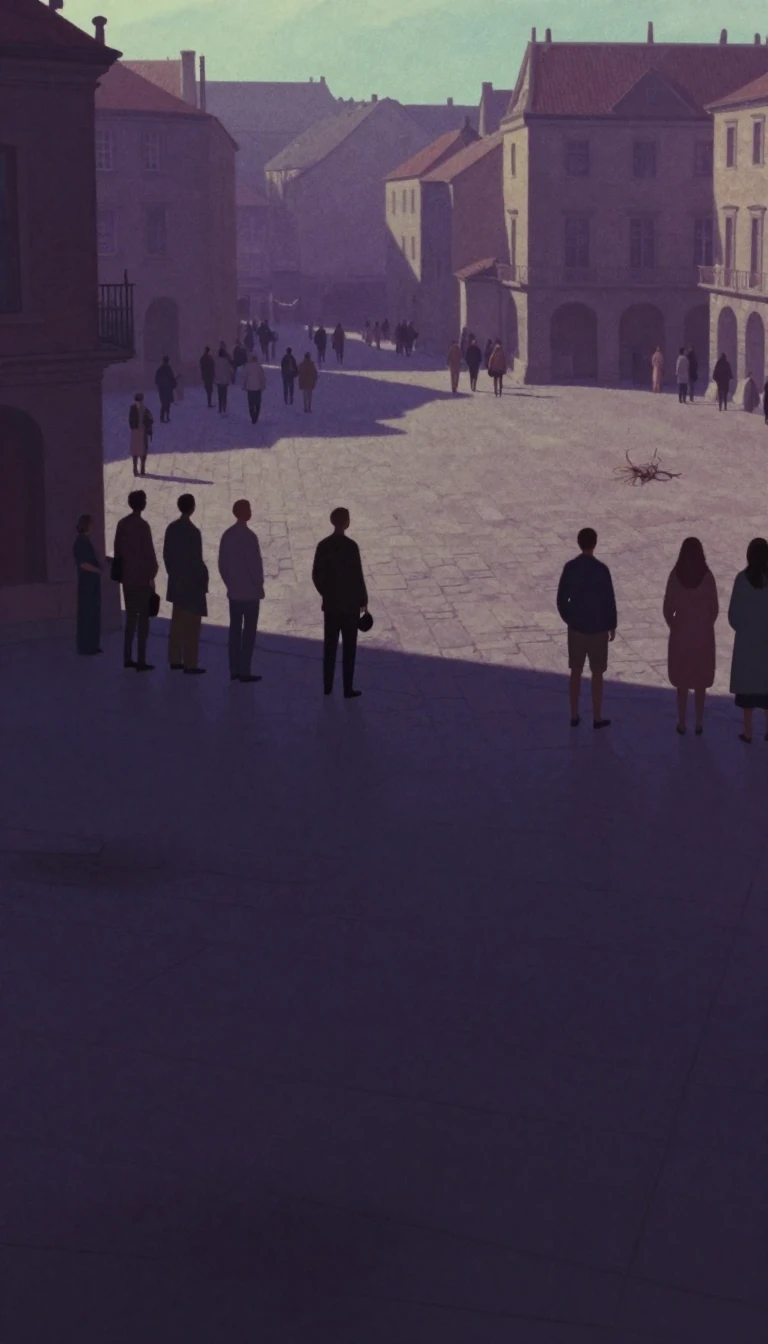
In short: Luc Besson began crafting the universe of The Fifth Element at sixteen, eventually transforming his boredom into a vibrant, high-budget spectacle. Released in 1997, this visually audacious science-fiction film challenged industry norms, blending futuristic design with a distinctively bright, chaotic aesthetic that defied the gloomy tropes of its genre.
The film’s journey from a young writer's notebook to the silver screen spanned over two decades. Besson, who initially envisioned the story as a novel, spent years refining the script before securing production. By the time it premiered, the project had become a massive undertaking, requiring the collaboration of legendary comic artists Jean Giraud and Jean-Claude Mézières. Their influence is evident in the film's iconic cityscape, which drew inspiration from 1960s modular architecture and the futuristic visions of Antonio Sant'Elia. To bring this world to life, the production team generated over 8,000 drawings and constructed elaborate scale models, including skyscrapers reaching 20 feet in height.
Beyond its visual ambition, the film was a significant financial and cultural milestone. With a budget of $90 million, it stood as the priciest European production of its time. It achieved immense global success, grossing over $263 million worldwide. In France, it dominated the box office with 7.7 million admissions, holding the title of the most successful French film internationally for 16 years until 2011. Despite this, critical reception was polarized; while some reviewers praised its wit and visual richness, others found the narrative disjointed or overly campy, leading to a mixed legacy that includes both prestigious awards and nominations for the Golden Raspberry.
The production was marked by unconventional choices, from Jean Paul Gaultier’s transgressive costume designs to the invention of a 400-word 'Divine Language' for the character Leeloo. The film also grappled with complex themes, including environmental decay, capitalist excess, and gender norms. Scholars have noted that while the film presents a classic hero's journey, it simultaneously offers a critique of consumerist obsession through the character of Zorg. Ultimately, the film remains a singular, 'cheerfully crazy' experiment in pop science fiction that, according to its director, was never intended to be a heavy-handed message movie, but rather a vibrant exploration of life's inherent value.
Opens the Intellect+ feed with this card first. Swipe up for the next one.
Sources
- Summary by Intellect · source: The Fifth Element
- Also: Wikidata — The Fifth Element · CC0
- Also: Wikidata — The Fifth Element · CC0
To cite this card, link to https://intellectplus.co.uk/app/entertainment-the-fifth-element.
How we source, check and correct cards: Editorial standards.
General information, not professional advice. Spotted an error? Flag the card or see corrections and complaints.
Intellect Plus is a visual educational discovery platform for exploring fascinating facts and ideas. Brain Food, Not Brain Rot. What is Intellect Plus?
Related
More in Films · More in Entertainment · Latest · A–Z · All topics
