Why Luc Besson captured a Parisian fairy tale in stark black-and-white
In short: After a six-year hiatus from directing, Luc Besson returned to his roots with Angel-A, an intimate, guerrilla-style film shot on the streets of Paris. This romantic fantasy follows a desperate con artist saved by a mysterious woman, blending supernatural intervention with a deeply personal exploration of self-worth and redemption.
Conceived around 1997, the story for Angel-A remained dormant for nearly a decade because Luc Besson felt he lacked the maturity to handle the dialogue. When he finally returned to the project in 2005, he wrote the screenplay in just three weeks. The narrative was inspired by a transformative moment in his own life, where a partner forced him to confront his insecurities by staring at his own reflection and affirming his value. This theme of self-acceptance anchors the film, which stars Jamel Debbouze as the debt-ridden André and Rie Rasmussen as the ethereal, statuesque Angela.
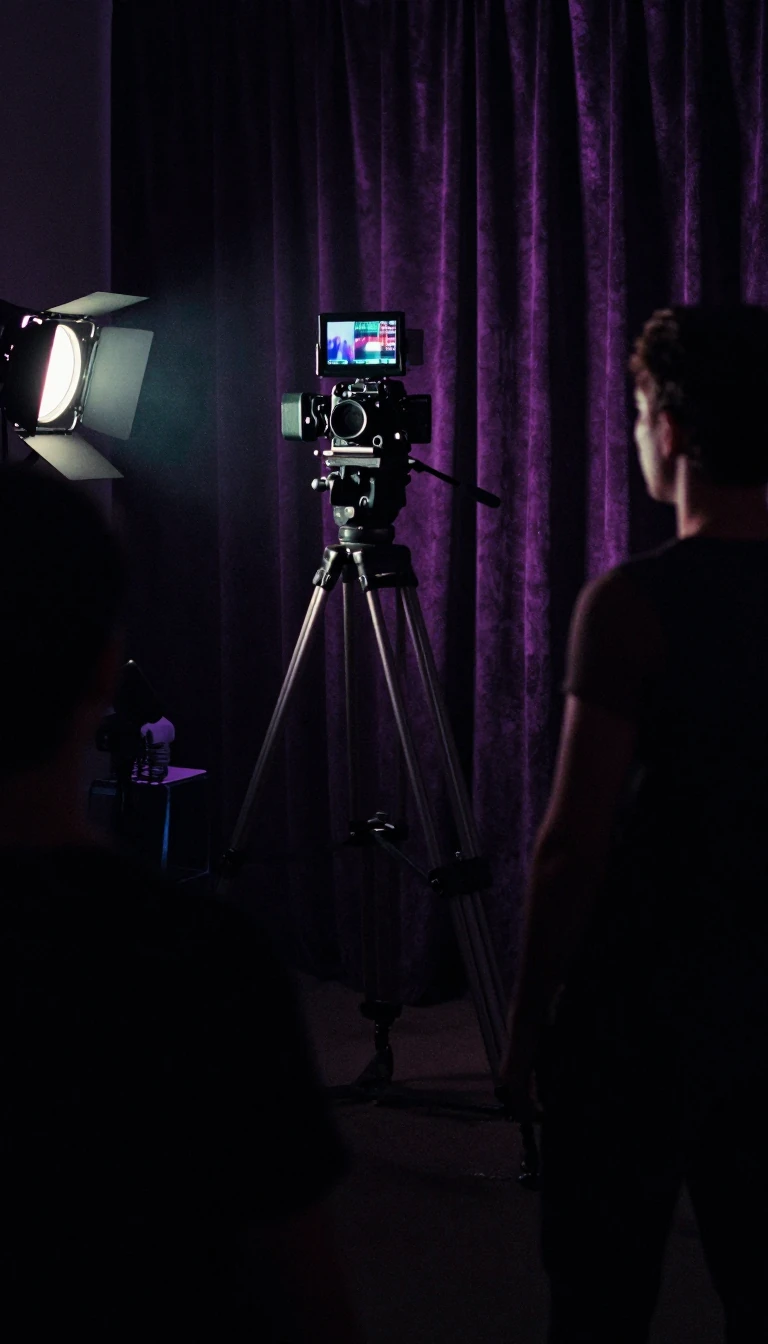
To reclaim creative autonomy following the massive scale of The Fifth Element, Besson opted for a low-budget, intimate production. Cinematographer Thierry Arbogast utilized stark black-and-white visuals to evoke a timeless, fairy-tale quality, paying homage to Besson’s 1983 debut, Le Dernier Combat. The shoot was notoriously secretive; the crew operated with a minimal footprint, often filming in high-traffic Parisian tourist locations during the early morning hours to avoid the need for permits. This guerrilla approach allowed for a sense of spontaneity that defined the film's aesthetic.
Upon its release in December 2005, Angel-A received a polarized response. While critics frequently lauded the film's visual beauty and the chemistry between its leads, many found the dialogue clunky and the pacing uneven. It holds a 47% approval rating on Rotten Tomatoes, with some reviewers praising its whimsical atmosphere and others dismissing the script as lazy. Despite the mixed reception, the film remains a distinct entry in Besson's filmography, marked by a departure from his usual collaborator Éric Serra in favor of a score by Norwegian artist Anja Garbarek, which blends ambient and dream pop elements to underscore the film's otherworldly tone.
Opens the Intellect+ feed with this card first. Swipe up for the next one.
Sources
- Summary by Intellect · source: Angel-A
- Also: Wikidata — Angel-A · CC0
To cite this card, link to https://intellectplus.co.uk/app/entertainment-angel-a.
How we source, check and correct cards: Editorial standards.
General information, not professional advice. Spotted an error? Flag the card or see corrections and complaints.
Intellect Plus is a visual educational discovery platform for exploring fascinating facts and ideas. Brain Food, Not Brain Rot. What is Intellect Plus?
Related
More in Films · More in Entertainment · Latest · A–Z · All topics
