How a 1952 Coast Guard rescue became a $75 million Hollywood box office flop
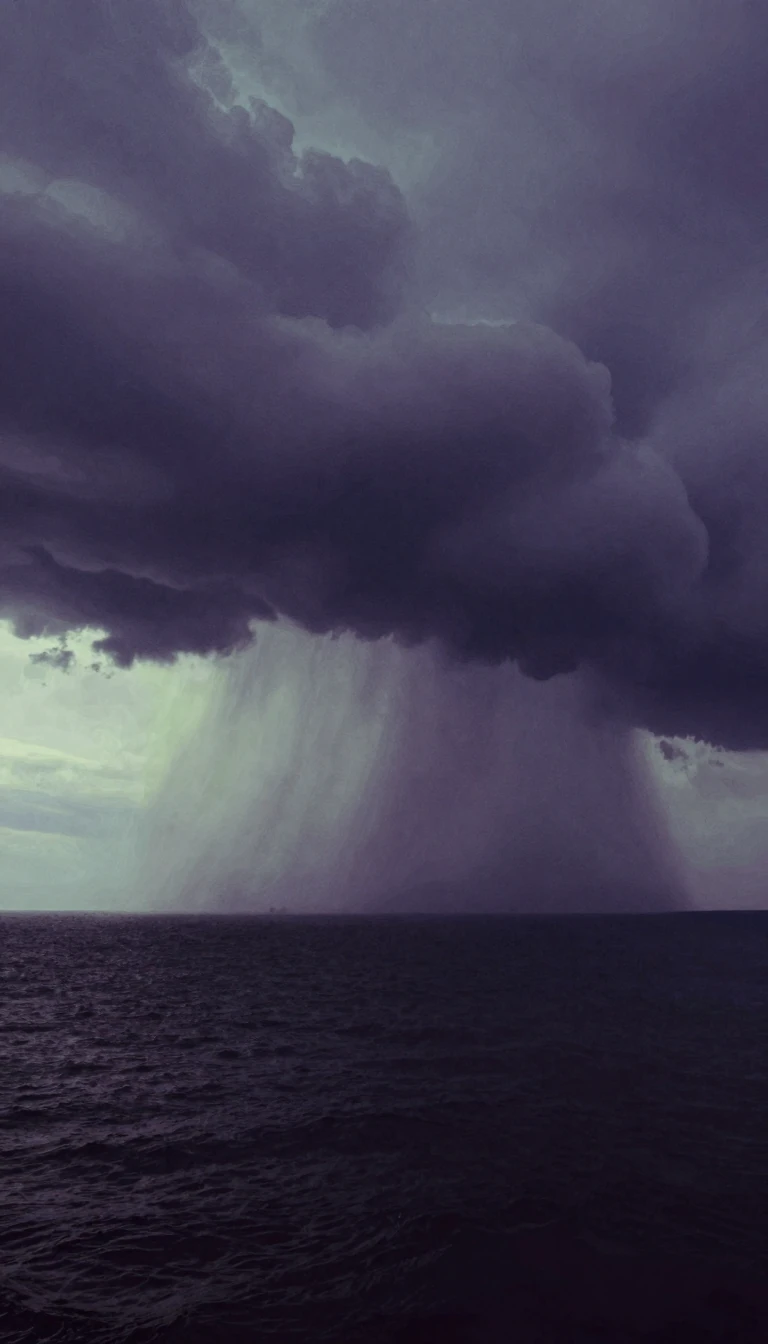
In short: In 1952, four men in a small lifeboat saved 32 sailors from a split tanker in a brutal nor'easter. It remains the greatest rescue in Coast Guard history. Yet, when Walt Disney Pictures adapted this harrowing true story for the 2016 film The Finest Hours, the production faced significant financial failure.
The 2016 film The Finest Hours chronicles the real-life mission of Bernie Webber and his crew, who piloted the motor lifeboat CG 36500 to save the crew of the SS Pendleton after it sheared in half off the coast of Chatham, Massachusetts. Despite the boat's official capacity of only 12 people, Webber successfully rescued 32 men. The event is widely regarded as the most daring small boat rescue in United States Coast Guard history, with all four rescuers—Webber, Andrew Fitzgerald, Ervin Maske, and Richard P. Livesey—receiving the Gold Lifesaving Medal for their actions.
The film adaptation, directed by Craig Gillespie, faced a difficult path to the screen. After Walt Disney Pictures acquired the rights to the 2009 book by Michael J. Tougias and Casey Sherman in 2011, the project underwent multiple changes in leadership. Robert Schwentke was initially hired to direct in 2013 but left to work on The Divergent Series: Insurgent, leading to Gillespie's appointment in 2014. Principal photography began in September 2014, utilizing locations like the USS Salem and requiring nearly 1,000 visual effects shots to recreate the disaster.
Despite the historical gravity of the source material, the film struggled commercially. Produced on a budget of $70–80 million, it grossed only $52.1 million worldwide. By March 2016, reports indicated that Disney expected losses of approximately $75 million. Critical reception was mixed; while audiences polled by CinemaScore awarded the film an 'A-', critics on Rotten Tomatoes and Metacritic offered more lukewarm assessments, often describing the film as traditional to a fault. Ultimately, the film serves as a case study in how even the most heroic historical accounts can struggle to find a broad audience in the modern cinematic landscape.
Opens the Intellect+ feed with this card first. Swipe up for the next one.
Sources
- Summary by Intellect · source: The Finest Hours (2016 film)
To cite this card, link to https://intellectplus.co.uk/app/entertainment-the-finest-hours-2016-film.
How we source, check and correct cards: Editorial standards.
General information, not professional advice. Spotted an error? Flag the card or see corrections and complaints.
Intellect Plus is a visual educational discovery platform for exploring fascinating facts and ideas. Brain Food, Not Brain Rot. What is Intellect Plus?
Related
More in Films · More in Entertainment · Latest · A–Z · All topics
