How a capsized luxury liner became the gold standard for 1970s disaster cinema
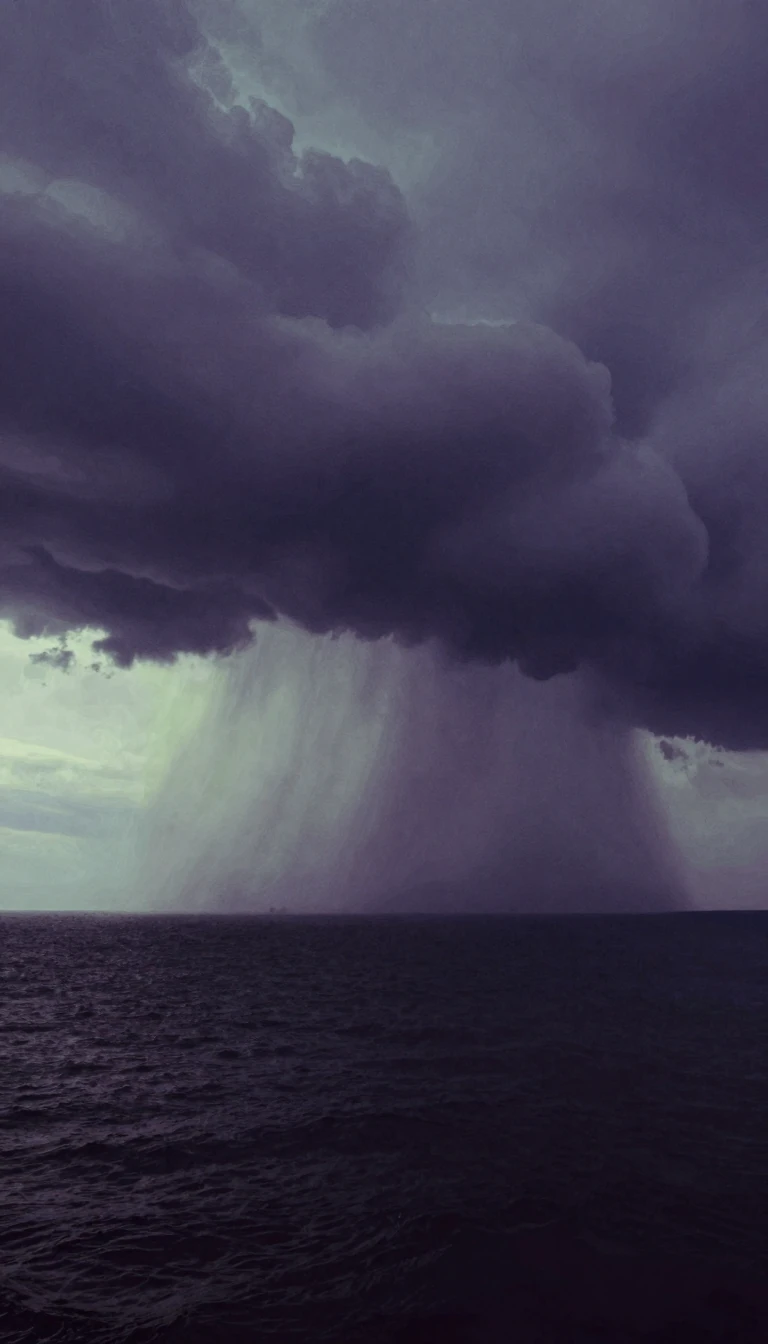
In short: When the SS Poseidon flips upside down on New Year's Day, a ragtag group of survivors must climb through the wreckage to reach the hull. This 1972 blockbuster redefined the disaster genre, blending high-stakes tension with practical effects that forced its star-studded cast to perform their own harrowing stunts.
The Poseidon Adventure, directed by Ronald Neame and produced by Irwin Allen, arrived in December 1972 as a quintessential disaster epic. Based on Paul Gallico’s 1969 novel—which was inspired by the author’s own 1937 experience aboard the RMS Queen Mary during a severe storm—the film follows a group of passengers attempting to escape an overturned luxury liner. The production was a massive undertaking, utilizing both the real Queen Mary in Long Beach and elaborate sets at the Fox Studio Lot that could be tilted by forklifts to simulate the ship’s catastrophic inversion.
The film’s success relied heavily on its technical ambition. To capture the disorientation of the disaster, filmmakers mounted cameras on gyros and relied on practical effects rather than digital trickery. The cast, which included five Oscar winners like Gene Hackman and Shelley Winters, largely performed their own stunts. This commitment to physical realism resonated with audiences, propelling the film to become the second highest-grossing movie of 1972, eventually earning over $125 million worldwide. It also secured eight Academy Award nominations and a win for Best Original Song, "The Morning After."
Despite its commercial dominance, critical reception was mixed. While some reviewers praised its "technical excellence" and "spellbinding adventure," others dismissed the dialogue as banal and the characters as thin. Nevertheless, the film’s influence on the 1970s disaster cycle—including titles like The Towering Inferno and Earthquake—is undeniable. It has since achieved cult status, appearing in John Wilson’s list of "The 100 Most Enjoyably Bad Movies Ever Made" while remaining a benchmark for the genre's blend of spectacle, melodrama, and high-tension survival.
The film's cultural footprint extended beyond the box office. Its 1974 television premiere on ABC drew a massive 39.0 Nielsen rating, and a 1973 parody in Mad magazine became the publication's best-selling issue. Whether viewed as a masterclass in showmanship or a collection of "formula hokum," The Poseidon Adventure remains a definitive artifact of 1970s Hollywood excess.
Opens the Intellect+ feed with this card first. Swipe up for the next one.
Sources
- Summary by Intellect · source: The Poseidon Adventure (1972 film)
To cite this card, link to https://intellectplus.co.uk/app/entertainment-the-poseidon-adventure-1972-film.
How we source, check and correct cards: Editorial standards.
General information, not professional advice. Spotted an error? Flag the card or see corrections and complaints.
Intellect Plus is a visual educational discovery platform for exploring fascinating facts and ideas. Brain Food, Not Brain Rot. What is Intellect Plus?
Related
More in Films · More in Entertainment · Latest · A–Z · All topics
