Why a 1934 Hollywood musical changed its name to avoid offending the censors
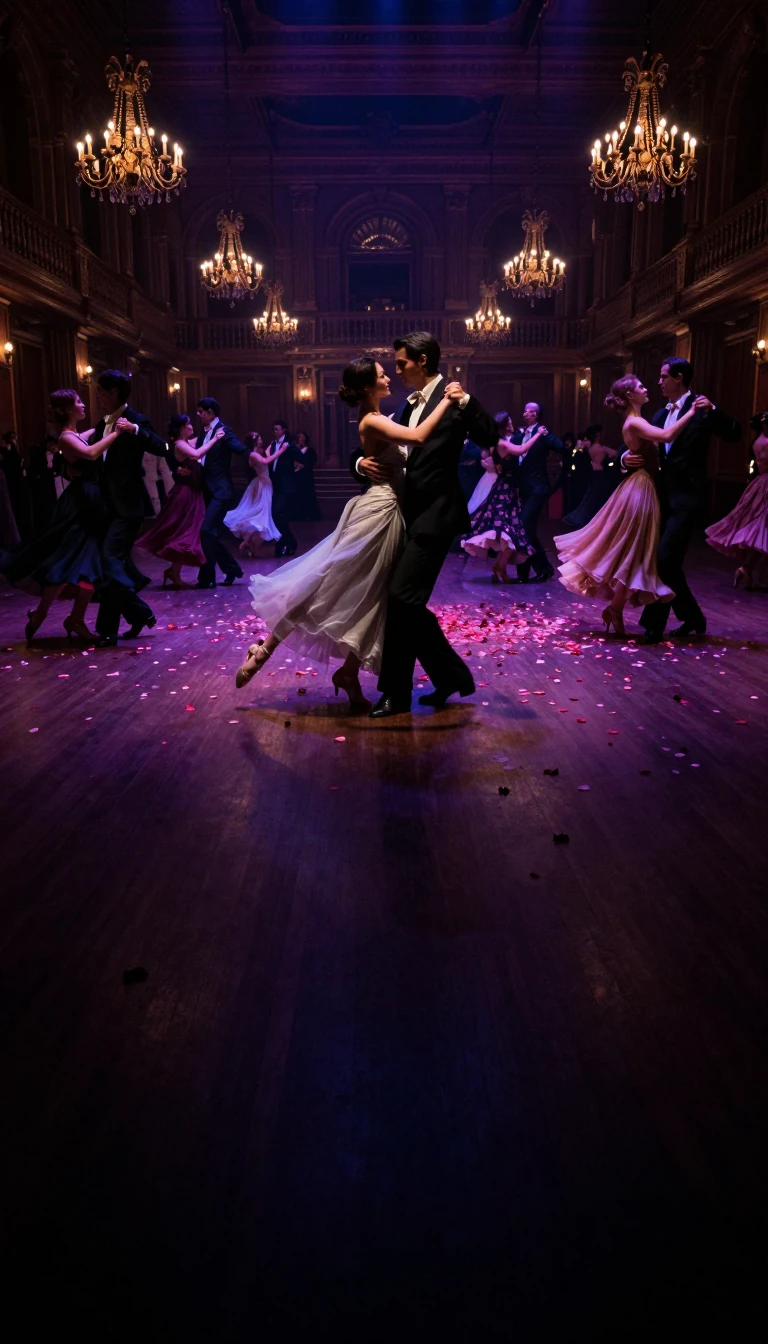
In short: The Gay Divorcee, the first film to star Fred Astaire and Ginger Rogers as a leading duo, faced a peculiar identity crisis. Studio executives feared the original Broadway title, Gay Divorce, was too frivolous toward marriage. They opted for a title focusing on the woman, sparking a legendary cinematic partnership.
Released in 1934, The Gay Divorcee was a pivotal moment for RKO Pictures. Following the success of Flying Down to Rio, the studio sought to capitalize on the chemistry between Fred Astaire and Ginger Rogers. While the film adapted the plot of the Broadway musical Gay Divorce, it replaced most of Cole Porter’s original score. The title change remains a subject of debate; while some accounts suggest the Hays Office demanded it to avoid treating divorce as a lighthearted matter, director Mark Sandrich claimed the studio simply preferred a title centered on a girl. RKO even offered a $50 prize to employees for better suggestions, though the film retained its original title in the United Kingdom.
The film’s production was marked by strict oversight from James Wingate, RKO’s Director of Studio Relations, who mandated that lingerie and pajamas be handled with extreme caution to maintain propriety. Despite these constraints, the film became a massive success, earning a profit of $584,000. It is perhaps best remembered for its elaborate dance sequences, including the iconic 'Night and Day' and the 16-minute 'The Continental.' The latter won the first-ever Academy Award for Best Original Song, beating out 'Carioca' from the duo's previous film.
Beyond the choreography, the film featured a notable ensemble cast, including Edward Everett Horton and Alice Brady. Interestingly, the production also included a future mystic, Neville Goddard, among its ensemble dancers. The film’s legacy is cemented by its romantic archetypes; dance critic Alastair Macaulay noted that the 'Night and Day' sequence established a definitive standard for cinematic romance. Today, the 1929 Duesenberg Model J driven by Rogers in the film survives as a piece of Hollywood history, having been displayed at the Amelia Island Concours d'Elegance.
Opens the Intellect+ feed with this card first. Swipe up for the next one.
Sources
- Summary by Intellect · source: The Gay Divorcee
- Also: Wikidata — The Gay Divorcee · CC0
To cite this card, link to https://intellectplus.co.uk/app/entertainment-the-gay-divorcee.
How we source, check and correct cards: Editorial standards.
General information, not professional advice. Spotted an error? Flag the card or see corrections and complaints.
Intellect Plus is a visual educational discovery platform for exploring fascinating facts and ideas. Brain Food, Not Brain Rot. What is Intellect Plus?
Related
More in Films · More in Entertainment · Latest · A–Z · All topics
