A 1971 coming-of-age masterpiece that captured the fading pulse of a small Texas town.
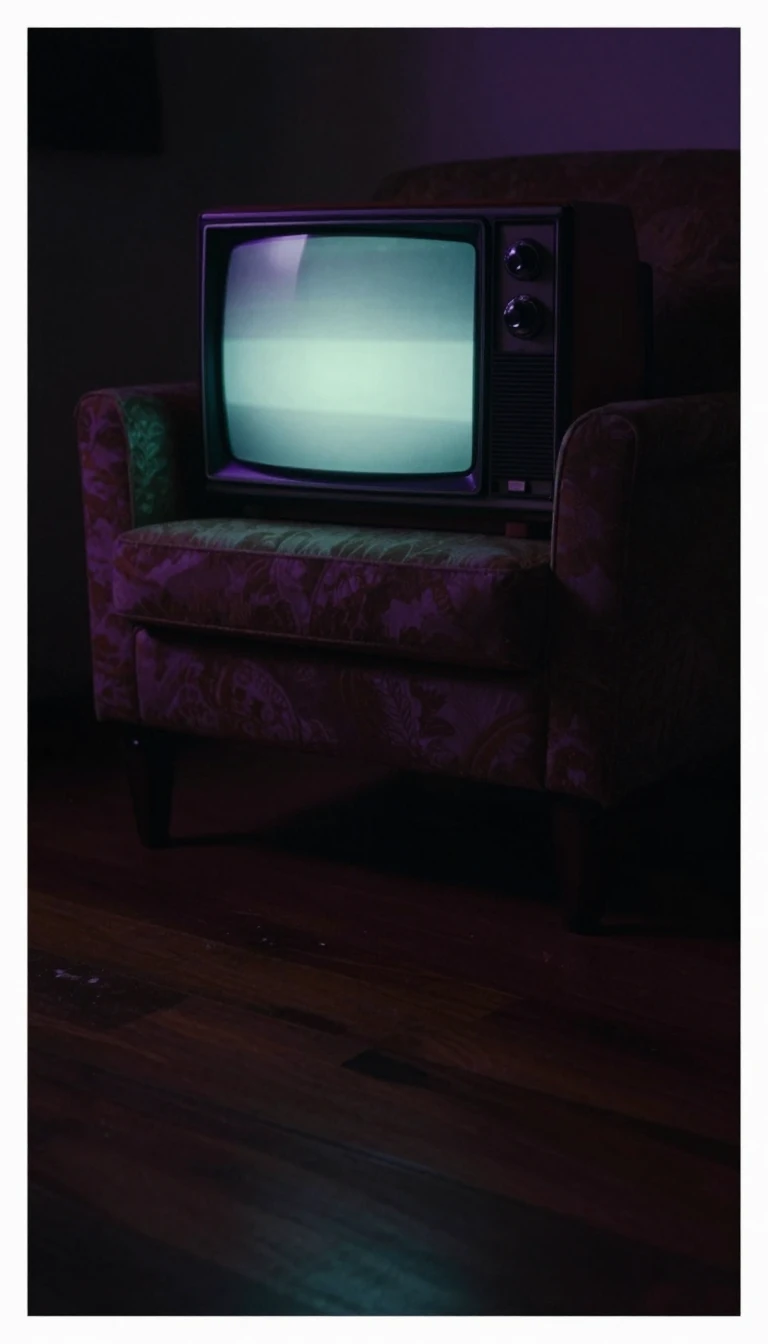
In short: Peter Bogdanovich’s The Last Picture Show is a stark, black-and-white portrait of high school seniors in 1951 Anarene, Texas. More than just a drama, it is a haunting meditation on youth, loss, and the slow decay of American small-town life, anchored by an ensemble cast and an authentic, period-accurate soundtrack.
Directed by Peter Bogdanovich and co-written with Larry McMurtry, the film was adapted from McMurtry’s 1966 semi-autobiographical novel. Set in the desolate oil town of Anarene, the story follows best friends Sonny Crawford and Duane Jackson as they navigate the complexities of love, social status, and the harsh realities of adulthood. The film’s atmosphere is defined by its intentional lack of non-diegetic music, relying instead on 1950s country and western hits to ground the viewer in the specific time span of November 1951 to October 1952.
The production was marked by significant creative tension and personal upheaval. While Bogdanovich initially hesitated to adapt the book, he was encouraged by his then-wife and collaborator, Polly Platt. During filming, Bogdanovich began an affair with lead actress Cybill Shepherd, leading to the breakdown of his marriage to Platt. Behind the scenes, the editing process was also contentious; while Bogdanovich claimed to have edited the film himself, contributor Donn Cambern asserted that he made essential contributions to the final cut. The film’s aesthetic choice to shoot in black and white, suggested by Orson Welles, was considered highly unusual for the era.
The film was a massive success, grossing $29 million against a $1.3 million budget and winning two Academy Awards for supporting performances by Ben Johnson and Cloris Leachman. In 1992, Bogdanovich released a director’s cut, restoring seven minutes of footage that had been trimmed to meet Columbia Pictures' original 119-minute limit. These additions, including scenes of character development and emotional resonance, provide a more complete view of the director’s original vision. Today, the film is preserved in the United States National Film Registry for its cultural and historical significance, remaining a touchstone of New Hollywood cinema.
Opens the Intellect+ feed with this card first. Swipe up for the next one.
Sources
- Summary by Intellect · source: The Last Picture Show
- Also: Wikidata — The Last Picture Show · CC0
- Also: Wikidata — The Last Picture Show · CC0
To cite this card, link to https://intellectplus.co.uk/app/entertainment-the-last-picture-show.
How we source, check and correct cards: Editorial standards.
General information, not professional advice. Spotted an error? Flag the card or see corrections and complaints.
Intellect Plus is a visual educational discovery platform for exploring fascinating facts and ideas. Brain Food, Not Brain Rot. What is Intellect Plus?
Related
More in Films · More in Entertainment · Latest · A–Z · All topics
