Does the universe end when we die, or do we contain multitudes within?
In short: Mike Flanagan’s 2024 film adaptation of Stephen King’s novella explores the life of Charles Krantz in reverse. As the world faces an inexplicable collapse, the film links the death of a 39-year-old accountant to the vanishing of the stars, posing profound questions about memory, existence, and the human experience.
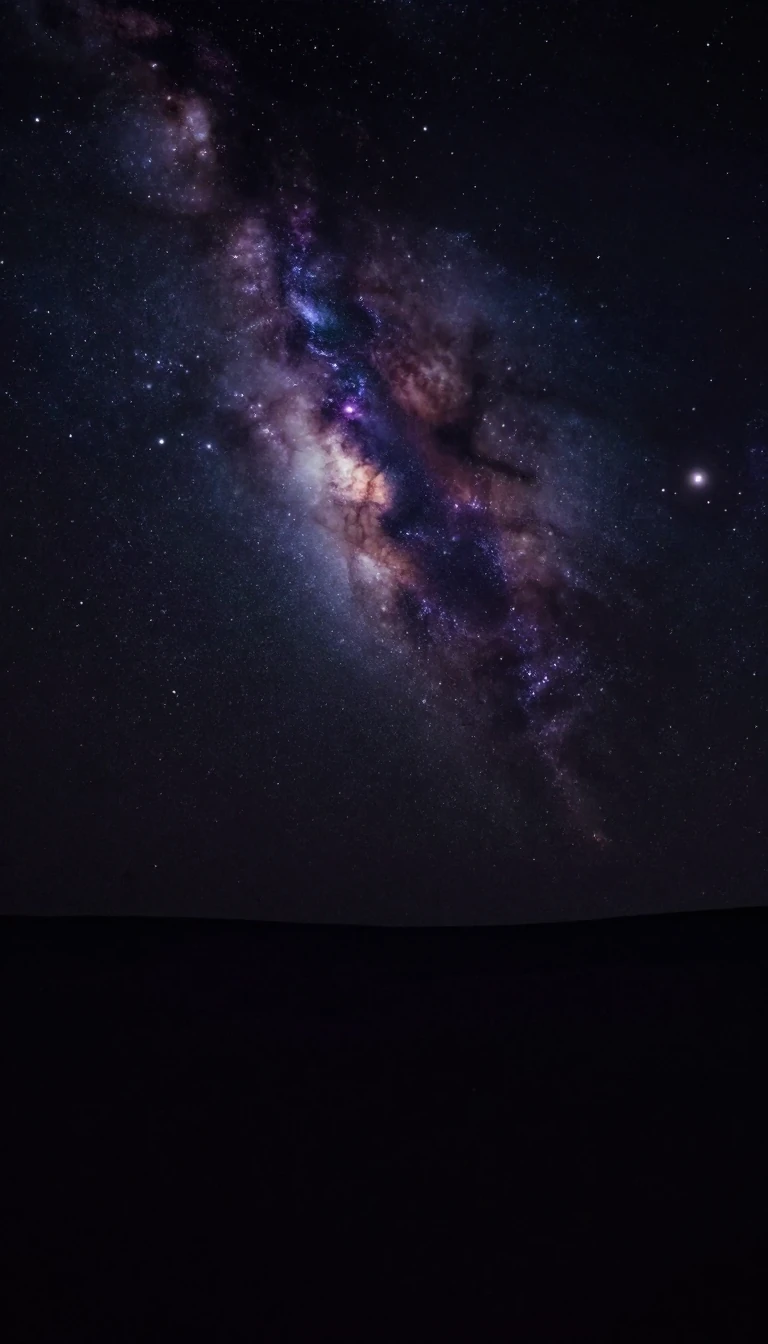
The narrative structure of The Life of Chuck unfolds in reverse chronological order, beginning with the death of Charles Krantz and the simultaneous end of the universe. As Krantz, a 39-year-old accountant, succumbs to a brain tumor, the world around him experiences supernatural decay, including the loss of electricity and the disappearance of stars. This cosmic dissolution is framed by the metaphor of Carl Sagan’s Cosmic Calendar, a concept introduced to visualize the vast age of the universe within a single year.
The film traces Krantz’s life backward, revealing formative moments that shaped his perspective. From his final days in a hospital, the story moves to a spontaneous dance at a banking conference, and eventually to his childhood. Orphaned after a car crash, young Chuck is raised by his grandparents, Sarah and Albie. Sarah encourages his love for dance, while Albie, haunted by the death of his son, attempts to steer Chuck toward a pragmatic life in accounting. Despite his grandfather’s skepticism, Chuck finds meaning in the Walt Whitman quote, "I contain multitudes," realizing that his memories and experiences form a unique universe within his own mind.
Critical reception of the film has been polarized. While it won the People's Choice Award at the 2024 Toronto International Film Festival and received praise for its emotional resonance and buoyant optimism, some critics found the execution uneven. Reviews in outlets like The New York Times and NPR criticized the film for its heavy-handed exposition and tonal shifts. Conversely, supporters like Matt Zoller Seitz lauded it as a significant example of popular cinema that addresses complex life experiences without oversimplification. Ultimately, the film remains a divisive yet ambitious exploration of how an individual's life—and the memories they carry—can feel like the center of the entire universe.
Opens the Intellect+ feed with this card first. Swipe up for the next one.
Sources
- Summary by Intellect · source: The Life of Chuck
- Also: Wikidata — The Life of Chuck · CC0
- Also: Wikidata — The Life of Chuck · CC0
To cite this card, link to https://intellectplus.co.uk/app/entertainment-the-life-of-chuck.
How we source, check and correct cards: Editorial standards.
General information, not professional advice. Spotted an error? Flag the card or see corrections and complaints.
Intellect Plus is a visual educational discovery platform for exploring fascinating facts and ideas. Brain Food, Not Brain Rot. What is Intellect Plus?
Related
More in Films · More in Entertainment · Latest · A–Z · All topics
