Why a medieval murder mystery became a battle over Aristotle and forbidden laughter
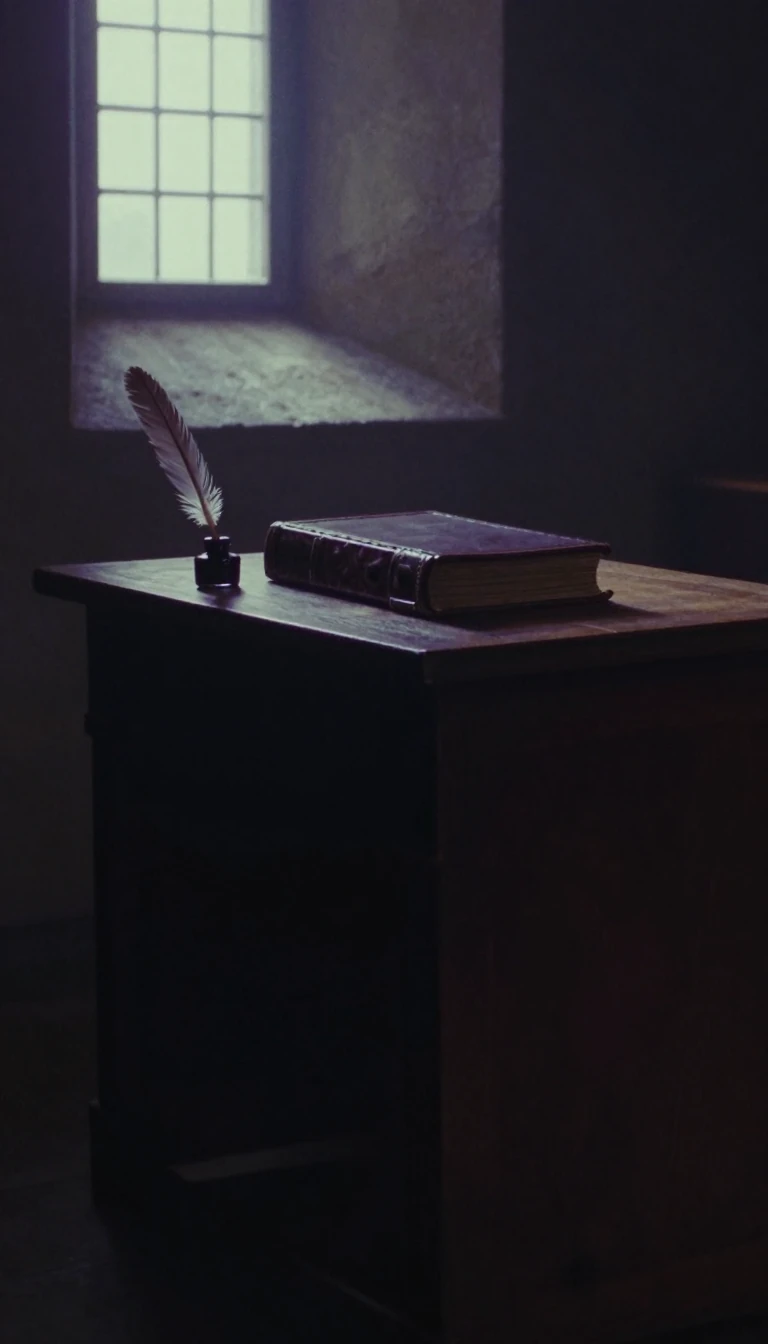
In short: In a 14th-century abbey, a Franciscan friar investigates a series of bizarre deaths linked to a missing, lethal manuscript. Director Jean-Jacques Annaud’s 1986 adaptation of Umberto Eco’s novel blends historical intrigue with theological conflict, exploring the dangerous power of knowledge and the thin line between faith and heresy.
The film follows William of Baskerville, played by Sean Connery, and his novice, Adso of Melk, as they arrive at a Benedictine abbey in Northern Italy. They find a community gripped by fear following a string of deaths among the monks. William, an intellectual detective, deduces that the victims were poisoned by the pages of a long-lost book: Aristotle’s Second Book of Poetics. The manuscript, which celebrates comedy and laughter, is considered a threat by the elderly monk Jorge, who believes humor is a tool of the Devil.
The production was a massive international endeavor, featuring the largest exterior set built in Europe since 1963’s Cleopatra. Director Jean-Jacques Annaud spent four years in preparation, insisting on a multi-ethnic cast and authentic period details. Despite his vision, the film faced significant hurdles, including Columbia Pictures pulling out due to concerns over Connery’s career slump. While the film received mixed critical reviews, it found success in Europe and earned Sean Connery a BAFTA for Best Actor.
The adaptation remains a point of debate regarding its fidelity to Eco’s original work. Eco himself described the film as a "club sandwich" where the filmmakers were forced to choose only a few ingredients, ultimately stripping away much of the novel's complex theological and political depth. Others, like actor Ron Perlman, view it as a rare, uncompromised masterpiece that demands a sophisticated audience. Regardless of the critique, the film stands as a visually striking attempt to capture a world where knowledge was both a sacred treasure and a dangerous weapon.
Opens the Intellect+ feed with this card first. Swipe up for the next one.
Sources
- Summary by Intellect · source: The Name of the Rose (film)
To cite this card, link to https://intellectplus.co.uk/app/entertainment-the-name-of-the-rose-film.
How we source, check and correct cards: Editorial standards.
General information, not professional advice. Spotted an error? Flag the card or see corrections and complaints.
Intellect Plus is a visual educational discovery platform for exploring fascinating facts and ideas. Brain Food, Not Brain Rot. What is Intellect Plus?
Related
More in Films · More in Entertainment · Latest · A–Z · All topics
