In this 1995 cult classic, angels are not benevolent guardians but complex, warring entities.
In short: The Prophecy reimagines angels as dark, complicated figures inspired by Old Testament portrayals rather than traditional protectors. When the Archangel Gabriel launches a civil war in Heaven, he descends to Earth to weaponize a human soul, forcing a skeptical police detective into a supernatural conflict that threatens all of humanity.
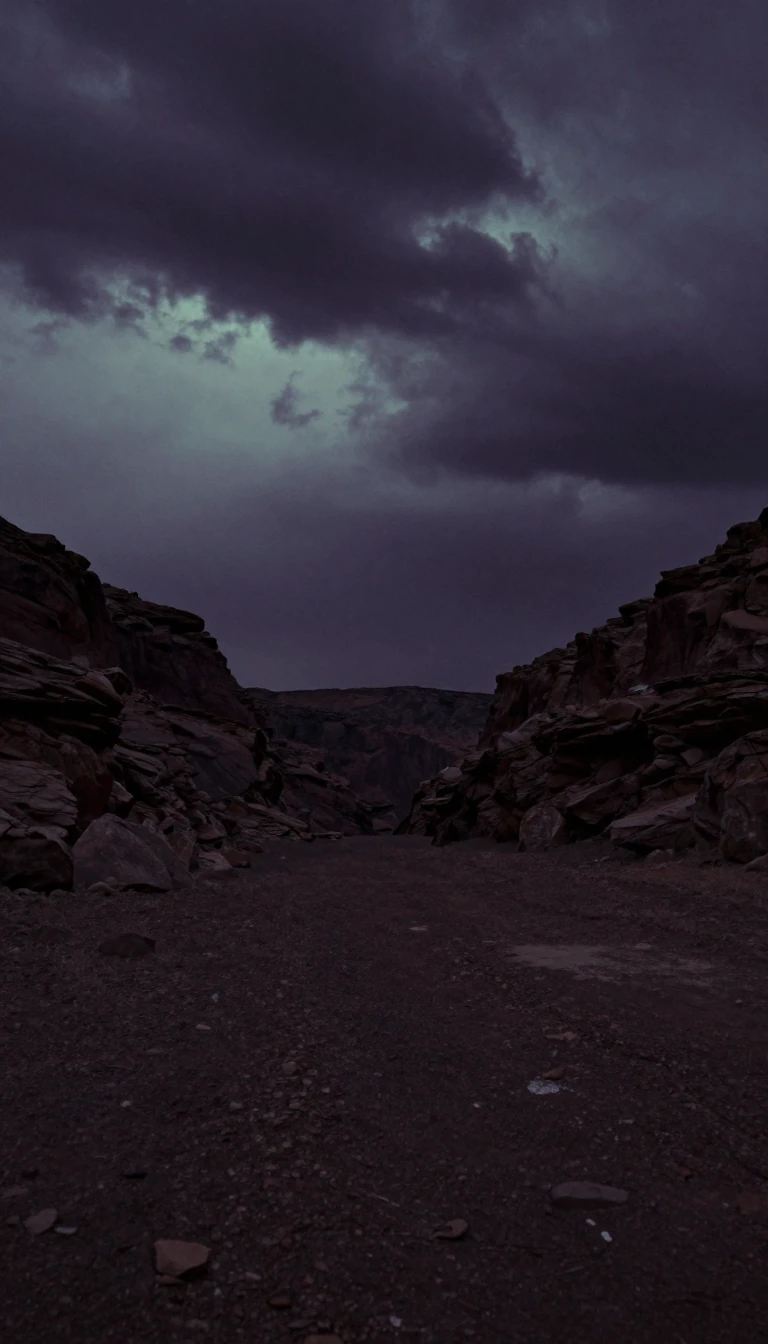
Written and directed by Gregory Widen, The Prophecy (1995) serves as a departure from the typical cinematic depiction of angels. Widen aimed to explore the darker, more aggressive characteristics found in Old Testament scripture, presenting these celestial beings as flawed, motivated characters rather than mere servants of mankind. The production, which shot from late September to early November 1993, faced significant challenges, including a severe lightning storm with 120 mile per hour winds that destroyed a set built on a cliff.
The narrative follows Thomas Dagget, a former seminary student turned LAPD detective, who becomes entangled in an angelic power struggle. The Archangel Gabriel, played by Christopher Walken, seeks the soul of a deceased war criminal to tip the balance of a second war in Heaven. If Gabriel succeeds, he intends to overthrow the obedient angels, a move that Lucifer fears would turn Heaven into another version of Hell. The film’s mythology suggests that because of this ongoing conflict, human souls have been unable to enter Heaven.
Upon its release on September 1, 1995, the film received mixed reviews. Critics like David Kronke of the Los Angeles Times found the script too eccentric to be credible, while others, such as Mick LaSalle, acknowledged its genuinely unsettling moments. Despite a lukewarm critical reception—with only 46% of 24 critics on Rotten Tomatoes offering positive reviews—the film eventually secured a dedicated following as a cult classic. It spawned four direct-to-video sequels, beginning with The Prophecy II in 1998 and concluding with two releases in 2005.
The film’s aesthetic is bolstered by a score from David C. Williams and a soundtrack that juxtaposes classical Christian pieces, such as Schubert’s Ave María, with tracks like Skid Row’s 'Breakin' Down'. By blending horror elements with theological speculation, Widen created a unique entry in the religious thriller genre that continues to intrigue viewers interested in the darker interpretations of angelic lore.
Opens the Intellect+ feed with this card first. Swipe up for the next one.
Sources
- Summary by Intellect · source: The Prophecy
- Also: Wikidata — The Prophecy · CC0
- Also: Penn Museum — The Prophecy · YouTube (embedded player only)
- Also: Wikidata — The Prophecy · CC0
To cite this card, link to https://intellectplus.co.uk/app/entertainment-the-prophecy.
How we source, check and correct cards: Editorial standards.
General information, not professional advice. Spotted an error? Flag the card or see corrections and complaints.
Intellect Plus is a visual educational discovery platform for exploring fascinating facts and ideas. Brain Food, Not Brain Rot. What is Intellect Plus?
Related
More in Films · More in Entertainment · Latest · A–Z · All topics
