How a 1990 Disney sequel quietly pioneered the digital revolution in feature animation
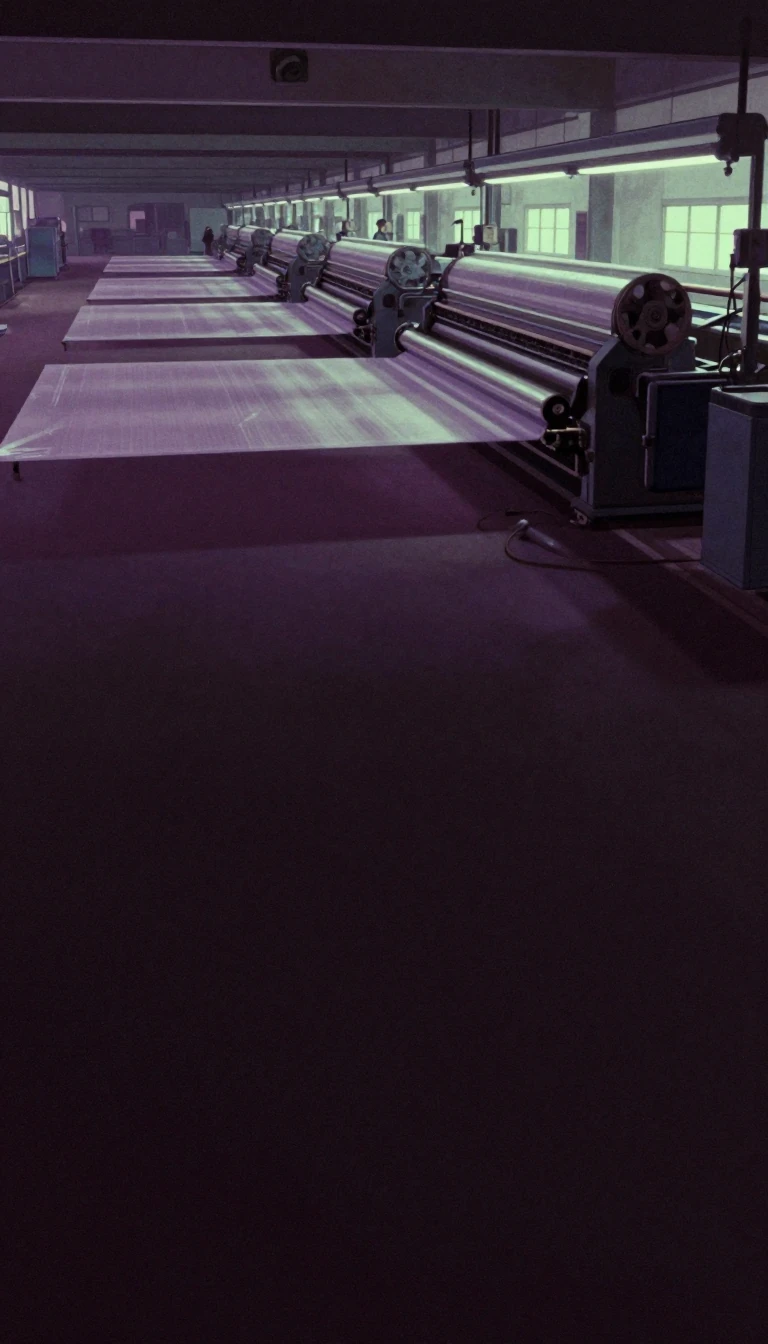
In short: While audiences flocked to live-action hits, Disney’s The Rescuers Down Under made history as the first fully digital feature film. By adopting the Computer Animation Production System, the studio replaced traditional hand-painted cels with a sophisticated digital workflow, forever changing how animated movies are crafted, composited, and brought to life.
Released in 1990, The Rescuers Down Under was a departure from the musical traditions of its predecessor. Seeking to capitalize on the popularity of Australian-themed action cinema, directors Hendel Butoy and Mike Gabriel abandoned song-and-dance sequences in favor of an action-adventure tone inspired by directors like Alfred Hitchcock and David Lean. Despite positive critical reception, the film struggled to find a massive audience during its theatrical run, earning $47.4 million globally.
The film’s most enduring legacy lies in its technical innovation. It served as the debut for the Computer Animation Production System (CAPS), a collaboration with Pixar that allowed artists to scan drawings and backgrounds into a digital environment. This system enabled complex camera movements and multiplane effects that were previously difficult to achieve. It was the first time an entire feature film was assembled and finished digitally, rendering the old practice of hand-painting cels obsolete.
The production was a massive undertaking that blended traditional artistry with new technology. Supervising animator Glen Keane meticulously studied real eagles to animate the rare golden eagle, Marahute, even slowing her wing movements to 30 percent of natural speed to convey majesty. Meanwhile, animators at Disney-MGM Studios contributed to the project, marking their first work on a feature. While the studio did not heavily market the technical breakthrough of CAPS at the time, the project laid the essential groundwork for the future of digital animation at Disney.
Beyond the technology, the film is remembered for its distinct voice cast, including Bob Newhart and Eva Gabor reprising their roles, and John Candy as the albatross Wilbur. Though it faced stiff competition at the box office, the film remains a significant milestone in animation history, bridging the gap between the classic hand-drawn era and the modern digital age.
Opens the Intellect+ feed with this card first. Swipe up for the next one.
Sources
- Summary by Intellect · source: The Rescuers Down Under
- Also: Wikidata — The Rescuers Down Under · CC0
To cite this card, link to https://intellectplus.co.uk/app/entertainment-the-rescuers-down-under.
How we source, check and correct cards: Editorial standards.
General information, not professional advice. Spotted an error? Flag the card or see corrections and complaints.
Intellect Plus is a visual educational discovery platform for exploring fascinating facts and ideas. Brain Food, Not Brain Rot. What is Intellect Plus?
Related
More in Animated series & cartoons · More in Entertainment · Latest · A–Z · All topics
