A dare, a sold home, and a masterpiece filmed on the banks of India
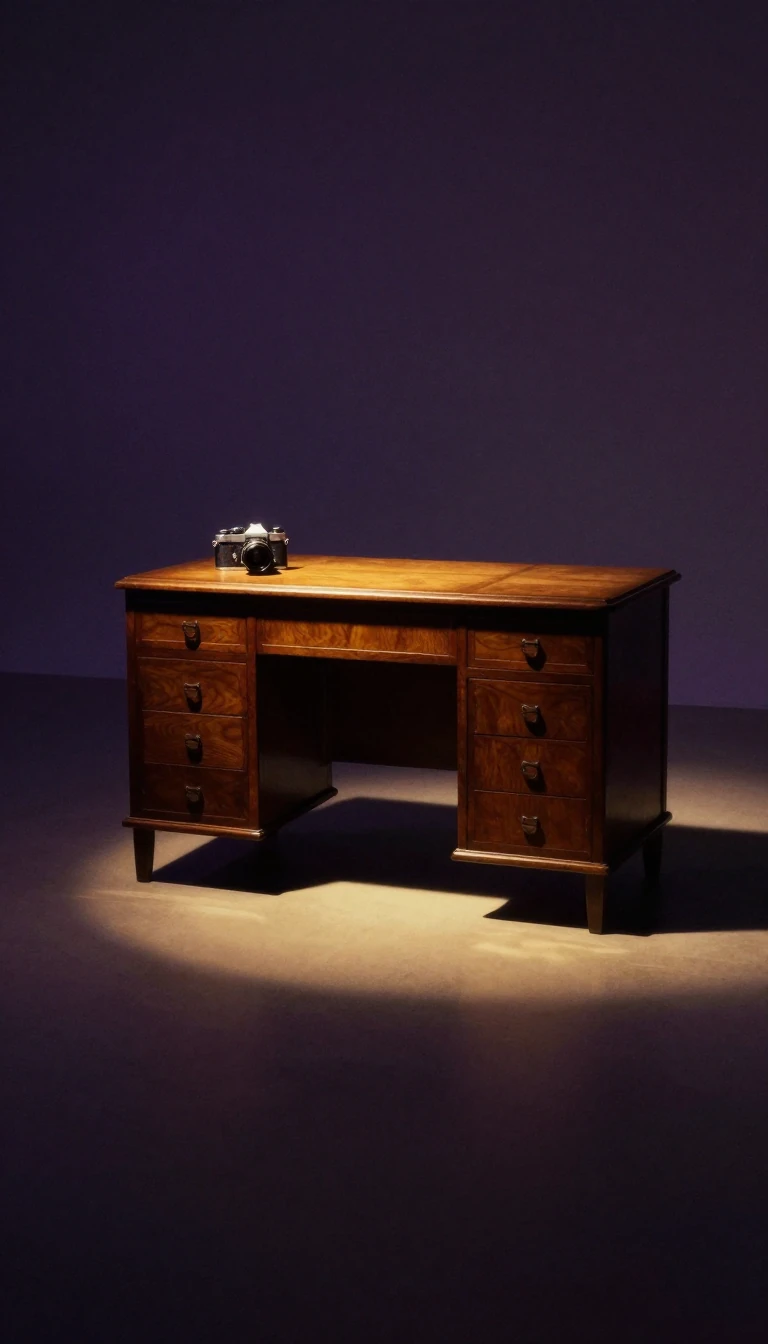
In short: When producer Kenneth McEldowney bet his wife he could make a better film than the ones he criticized, he sold his house and florist shops to fund Jean Renoir’s 1951 Technicolor drama, The River. The result was a critical triumph that launched careers and inspired generations of legendary filmmakers.
The River, a 1951 adaptation of Rumer Godden’s 1946 novel, follows a teenage girl named Harriet living in British India. The narrative explores her coming-of-age and infatuation with a war-wounded American, Captain John. The film uses the Ganges River as a central metaphor for the cycles of life and death, a theme that culminates in the tragic loss of Harriet’s brother, Bogey, to a cobra bite. The production was a gamble for McEldowney, who spent four years independently financing the project after accepting his wife's dare.
Renoir’s approach to the film was notably unconventional. He cast nonprofessional actors, including Thomas E. Breen, a real-life Marine Corps veteran who lost his leg on Guam in 1944, to play Captain John. Because the film was shot in Technicolor, the crew could not review footage for five months, requiring immense precision. During production in Calcutta, Renoir mentored a young Satyajit Ray, who was then a student of cinema. This collaboration influenced Ray’s future work and connected him with production assistant Subrata Mitra, who would later serve as cinematographer on many of Ray’s films.
The film achieved significant commercial success, earning over $16 million worldwide and enjoying a 34-week run in New York. It won the International Award at the 12th Venice International Film Festival and was named a Top Foreign Film of 1951 by the National Board of Review. Its legacy endures through its preservation by the Academy Film Archive and the British Film Institute in 2004, and its inclusion on Roger Ebert’s 'Great Movies' list in 2006. Furthermore, the film served as a direct inspiration for Wes Anderson’s 2007 feature, The Darjeeling Limited.
McEldowney, having achieved his goal of producing a successful film, retired from the industry to return to real estate. The production remains a landmark for its aesthetic beauty and its role in bridging Western and Indian cinematic traditions, leaving a lasting impact on directors like Martin Scorsese and Wes Anderson.
Opens the Intellect+ feed with this card first. Swipe up for the next one.
Sources
- Summary by Intellect · source: The River (1951 film)
To cite this card, link to https://intellectplus.co.uk/app/entertainment-the-river-1951-film.
How we source, check and correct cards: Editorial standards.
General information, not professional advice. Spotted an error? Flag the card or see corrections and complaints.
Intellect Plus is a visual educational discovery platform for exploring fascinating facts and ideas. Brain Food, Not Brain Rot. What is Intellect Plus?
Related
More in Films · More in Entertainment · Latest · A–Z · All topics
