Why your brain needs to dream and how sleep controls your waking life
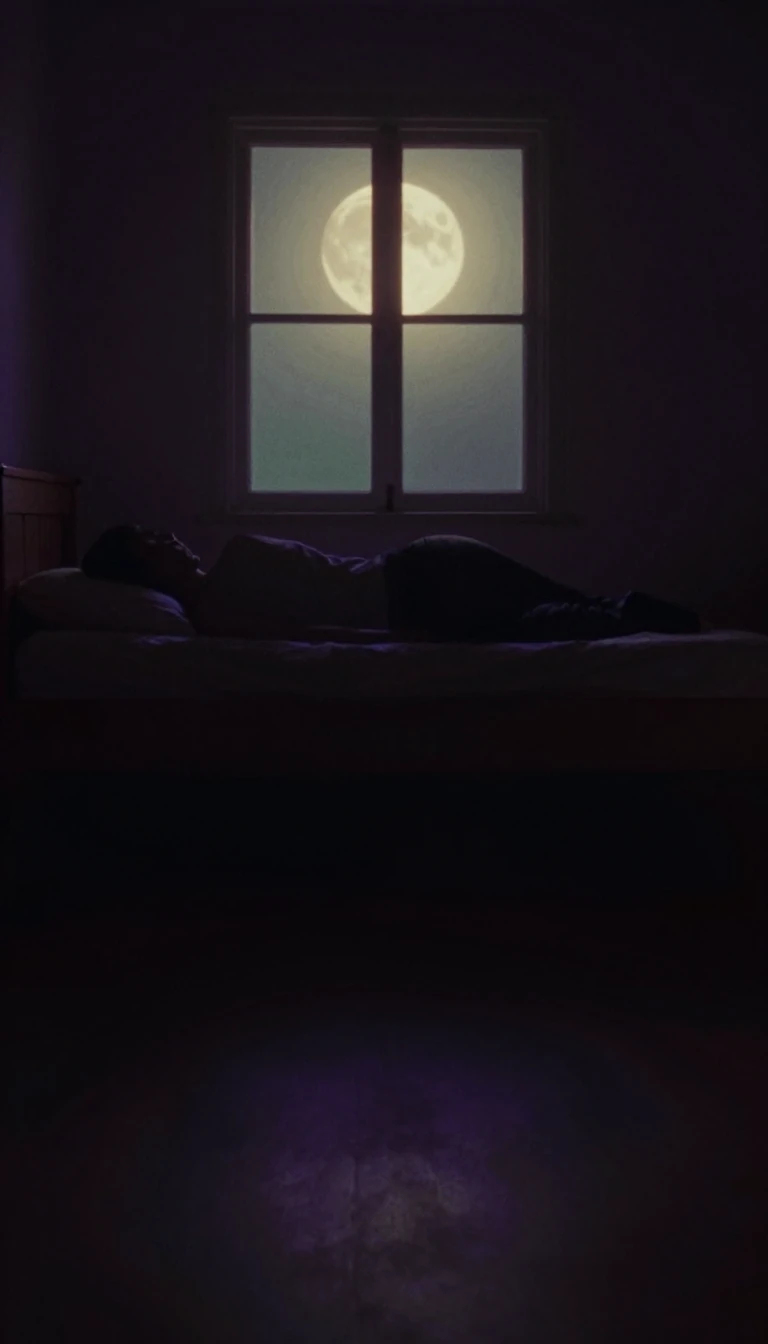
In short: Sleep is not a passive state of dormancy. It is a complex, active period where your brain processes memories, regulates hormones, and clears out cellular waste. From the biological clock that locks you into a twenty-four-hour cycle to the dangers of sleep deprivation, here is the science behind your rest.
For decades, sleep was viewed as a dormant state, but researchers now understand it as a vital period of activity. During a typical night, the brain cycles through two distinct types of sleep: non-REM and REM. While REM sleep, characterized by rapid eye movement and vivid dreaming, was once thought to be the primary phase for learning, newer evidence suggests that non-REM sleep is actually more restorative and critical for memory consolidation and brain plasticity.
Your sleep is governed by two internal mechanisms: circadian rhythms and sleep drive. Circadian rhythms are managed by a biological clock in the brain that responds to light, triggering the release of melatonin in the evening to induce sleepiness. When light hits the eyes in the morning, melatonin production is suppressed, helping to anchor your internal clock to the natural day. Meanwhile, sleep drive builds throughout the day, creating a physiological craving for rest that, unlike hunger, can force the body into sleep even during high-stakes activities like driving.
The consequences of ignoring these systems are severe. Chronic sleep deprivation impairs cognitive functions like decision-making and memory, while physically compromising the immune system and metabolic health. Even a single night of missed sleep can induce a prediabetic state. Furthermore, the resulting irritability and stress often create a feedback loop of insomnia. While caffeine can mask fatigue by triggering a stress response, it is merely a temporary patch that does not replace the essential restorative functions of sleep, such as the efficient removal of waste products from brain cells.
In the 2006 film The Science of Sleep, director Michel Gondry explores the blurred lines between reality and dreams, mirroring the way our internal lives often encroach upon our waking hours. While the film uses surrealism to depict the protagonist's struggle, the underlying theme of dreams as a way to process experience aligns with scientific theories that suggest dreaming helps store the previous day's events as memories.
Opens the Intellect+ feed with this card first. Swipe up for the next one.
Sources
- Summary by Intellect · source: The science of sleep
- Also: The Science of Sleep: Understanding What Happens When You Sleep
- Also: The Science of Sleep
To cite this card, link to https://intellectplus.co.uk/app/entertainment-the-science-of-sleep.
How we source, check and correct cards: Editorial standards.
General information, not professional advice. Spotted an error? Flag the card or see corrections and complaints.
Intellect Plus is a visual educational discovery platform for exploring fascinating facts and ideas. Brain Food, Not Brain Rot. What is Intellect Plus?
Related
More in Films · More in Entertainment · Latest · A–Z · All topics
