Your brain doesn't sleep as a single unit
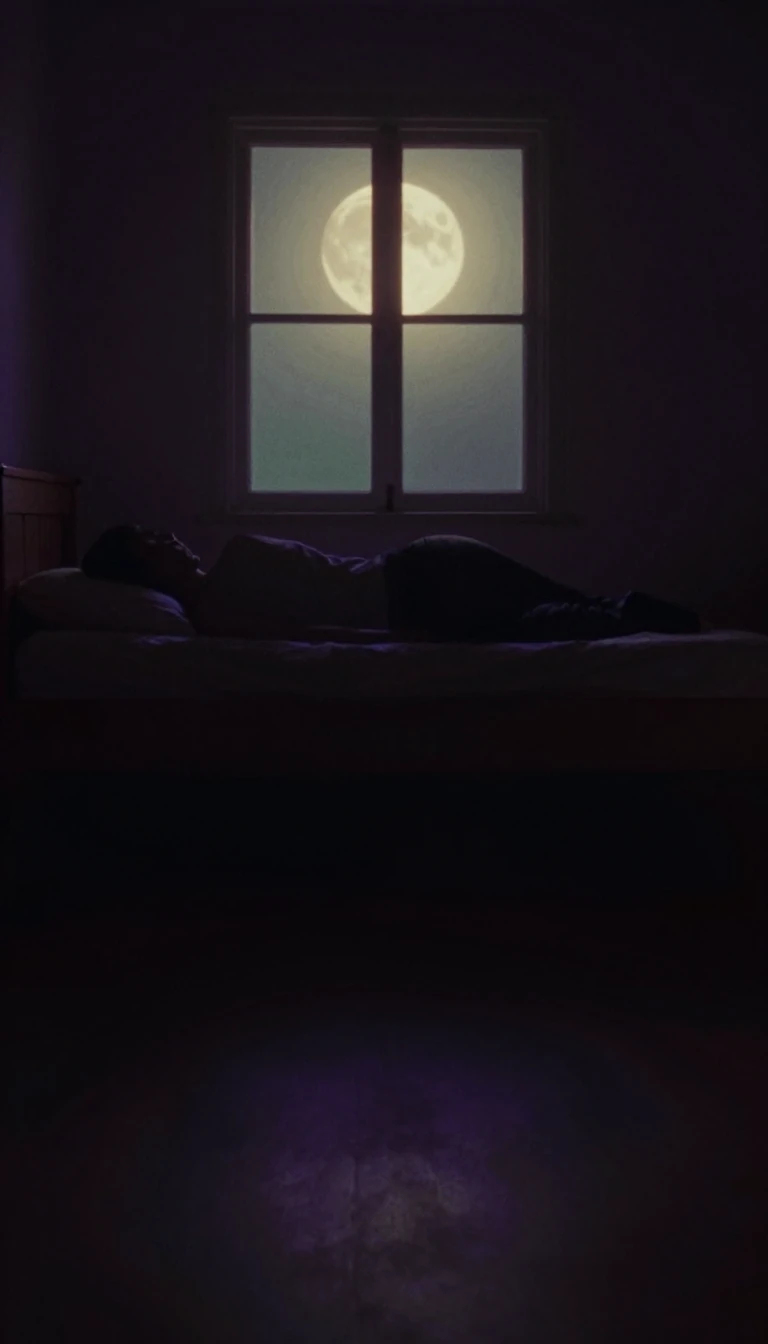
In short: We often think of sleep as a global 'off' switch for the brain, but recent research reveals a much more complex internal choreography. Different regions of your brain can actually be in different stages of sleep simultaneously, performing distinct roles to manage your memories and emotions.
While humans spend roughly one-third of their lives sleeping, the exact reasons for this period remain a mystery. Historically, researchers debated whether sleep was merely passive—a way to shelter memories from interference—or an active process. Modern cognitive neuroscience suggests it is the latter: sleep actively strengthens and shapes memories through consolidation, particularly episodic memories which are dependent on the hippocampus.
A landmark study by Guthrie et al. provided a bold new insight into this process by replicating animal research in humans. By using both intracranial and scalp electrodes on eight patients, researchers discovered that the cortex and the hippocampus can be in divergent states of sleep at once. Specifically, while the amount of time spent in various NREM phases was equivalent across both regions, the cortex spent significantly more time in wake and REM states compared to the hippocampus.
This divergence highlights how the brain manages different cognitive demands during rest. Furthermore, research by Denis et al. on a large sample of adults (ages 18 to 59) shows that sleep's benefits are not uniform; it selectively aids the retention of negative emotional information at the expense of neutral memories. This 'emotional memory trade-off' suggests that sleep is a highly selective tool for neural computation, prioritizing certain types of data while pruning others.
These findings challenge the idea of sleep as a monolithic state and instead frame it as a competitive arena for memory systems. From early childhood 'nap transitions' to adult emotional processing, sleep functions as a dynamic system regulated by sleep homeostasis and complex neural circuits.
Opens the Intellect+ feed with this card first. Swipe up for the next one.
Sources
- Summary by Intellect · source: The functions of sleep: A cognitive neuroscience perspective
- Also: Neuroscience of sleep
To cite this card, link to https://intellectplus.co.uk/app/health-neuroscience-of-sleep.
How we source, check and correct cards: Editorial standards.
General information, not professional advice. Spotted an error? Flag the card or see corrections and complaints.
Intellect Plus is a visual educational discovery platform for exploring fascinating facts and ideas. Brain Food, Not Brain Rot. What is Intellect Plus?
Related
More in Sleep · More in Health · Latest · A–Z · All topics
