In this supernatural thriller, belief is the only weapon that truly matters for survival.
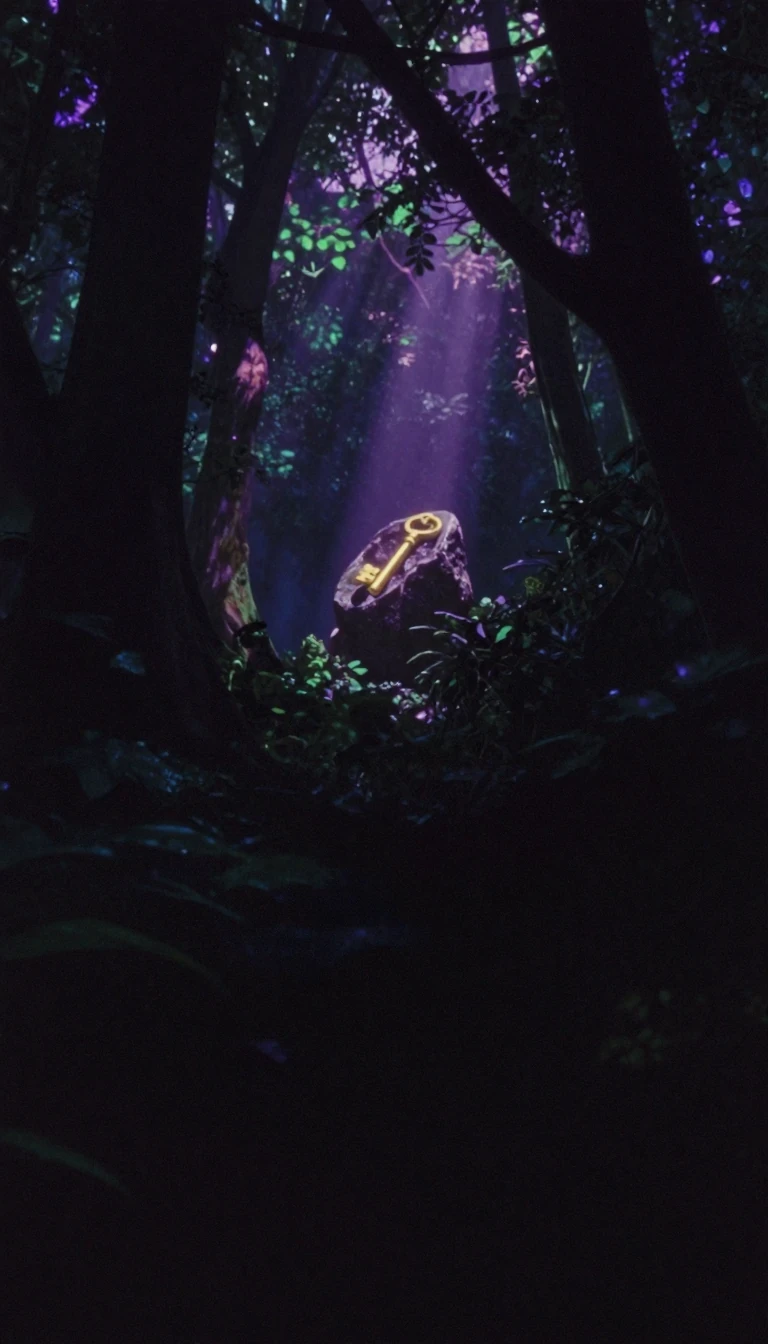
In short: The 2005 film The Skeleton Key explores a chilling premise: hoodoo rites are only effective if the victim believes in them. When a hospice nurse takes a job at a remote Louisiana plantation, she uncovers a dark history of body-swapping that forces her to confront her own skepticism.
Directed by Iain Softley and released in 2005, The Skeleton Key follows Caroline Ellis, a hospice aide who accepts a position at a secluded Terrebonne Parish plantation. Her employer, Violet Devereaux, tasks her with caring for her husband, Benjamin, who is largely paralyzed. As Caroline investigates the house, she discovers a secret attic room filled with ritual items and learns of two African American servants, Mama Cecile and Papa Justify, who were lynched decades earlier for practicing hoodoo. The film’s central conceit is that these practitioners can steal the remaining years of a victim's life through a ritual called the Conjure of Sacrifice, but only if the target believes in the power of the spell.
The narrative relies heavily on the psychological state of its protagonist. Caroline initially dismisses the supernatural elements as a nocebo effect, believing Benjamin’s condition stems from his own conviction rather than magic. However, as she delves deeper into the history of the house, her growing belief inadvertently makes her vulnerable to the very forces she seeks to escape. The film’s climax reveals that Violet and the estate lawyer, Luke, are actually the vessels for Cecile and Justify, who have been cycling through new bodies for generations. By the time Caroline accepts the reality of the hoodoo, she has already trapped herself within a protective circle, allowing the antagonists to complete their ritual and successfully switch bodies with her.
Critical reception of the film was mixed, with many reviewers noting that while the atmospheric setting and technical mastery were impressive, the script often felt formulaic or sluggish. Critics like Roger Ebert praised the film's technique but questioned the logic of its final twist, while others compared it to classic genre films like The Innocents. Despite these critiques, the film grossed $92 million worldwide against a $43 million budget. Ultimately, the story serves as a dark exploration of how belief can be weaponized, turning a skeptic's own rationalizations into the very mechanism of her undoing.
Opens the Intellect+ feed with this card first. Swipe up for the next one.
Sources
- Summary by Intellect · source: The Skeleton Key
- Also: Wikidata — The Skeleton Key · CC0
- Also: Wikidata — The Skeleton Key · CC0
To cite this card, link to https://intellectplus.co.uk/app/entertainment-the-skeleton-key.
How we source, check and correct cards: Editorial standards.
General information, not professional advice. Spotted an error? Flag the card or see corrections and complaints.
Intellect Plus is a visual educational discovery platform for exploring fascinating facts and ideas. Brain Food, Not Brain Rot. What is Intellect Plus?
Related
More in Films · More in Entertainment · Latest · A–Z · All topics
