Why a high-budget Hollywood satire about perfect suburban wives became a notorious box-office failure
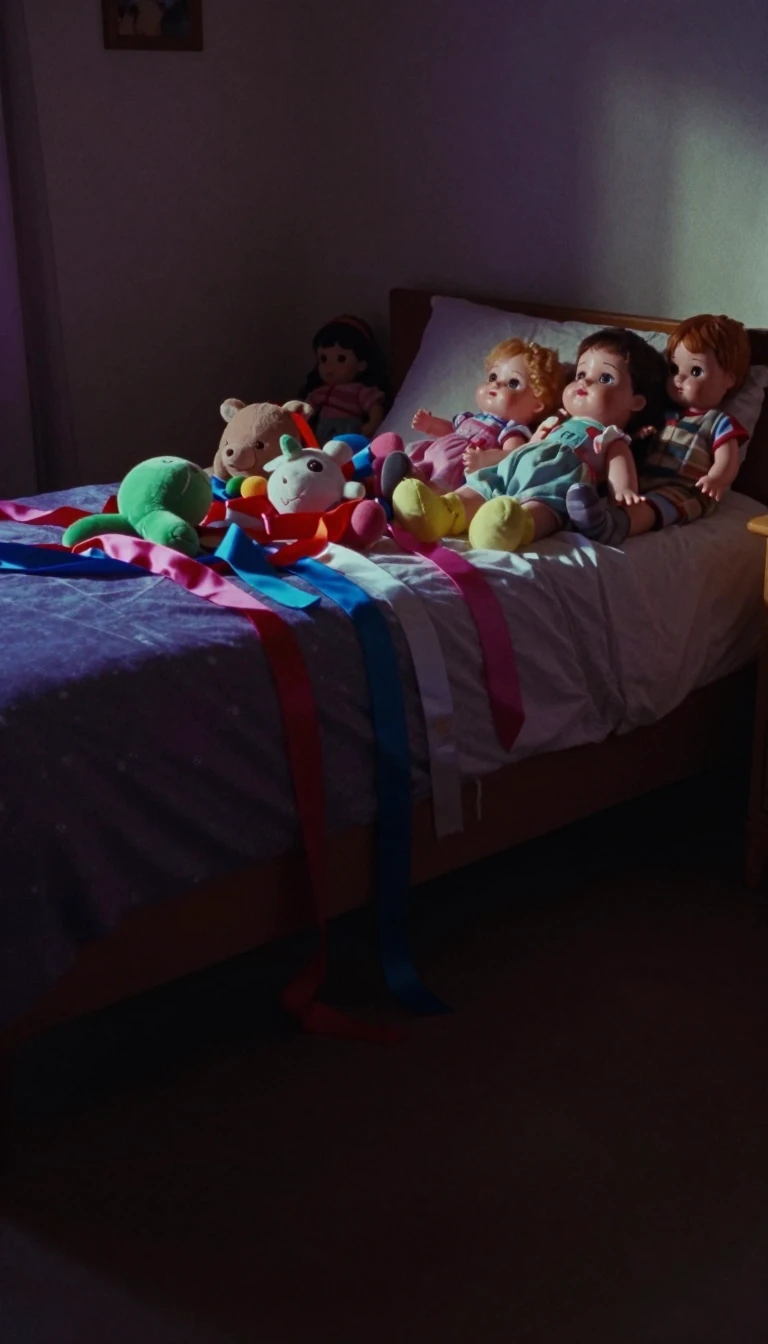
In short: The 2004 remake of The Stepford Wives promised a sharp, satirical look at gender roles but instead delivered a chaotic, campy mess. Plagued by on-set tension, extensive reshoots, and a complete tonal shift from its source material, the film serves as a cautionary tale of studio interference and lost creative vision.
Directed by Frank Oz and written by Paul Rudnick, the 2004 production was intended as a modern update to Ira Levin’s 1972 novel. The plot follows Joanna Eberhart, a high-powered television executive who moves to the Connecticut suburb of Stepford after a professional breakdown. There, she discovers a chilling reality: the town's wives are being systematically converted into submissive, robotic versions of themselves through brain-implanted nanochips. While the original story leaned into dark, psychological horror, the remake struggled to find its footing, ultimately pivoting toward a lighter, more sentimental conclusion.
The film’s production was notoriously difficult. Original casting choices John and Joan Cusack departed shortly before filming began due to a family tragedy. Once production commenced, reports of friction between Oz and his high-profile cast—including Nicole Kidman, Bette Midler, and Christopher Walken—became public. Oz later admitted that he felt overly responsible to the studio, Paramount Pictures, and failed to trust his own creative instincts. This pressure, combined with poor test screening results, led to numerous rounds of reshoots that significantly altered the movie's intended satirical bite.
Critically and commercially, the results were underwhelming. The film grossed $103.4 million against a budget of up to $100 million, failing to meet expectations. Critics were largely unimpressed, with many noting that the film abandoned its potential for biting social commentary in favor of campy, incoherent sentimentality. While Roger Ebert praised the screenplay's wit, the general consensus was that the remake lacked the chilling impact of its predecessor. Ultimately, the project became a rare instance where the behind-the-scenes drama and the resulting creative compromise overshadowed the final product on screen.
Despite the negative reception, the film remains a fascinating study in how studio meddling can dilute a project's core message. The final product, which ends with the wives taking control of the town and retraining their husbands, stands in stark contrast to the darker, more cynical tone of the 1975 original. For the cast and crew, the experience was largely unpleasant, with Matthew Broderick later noting that he found the work uninteresting and would have hated for it to be his final film.
Opens the Intellect+ feed with this card first. Swipe up for the next one.
Sources
- Summary by Intellect · source: The Stepford Wives (2004 film)
To cite this card, link to https://intellectplus.co.uk/app/entertainment-the-stepford-wives-2004-film.
How we source, check and correct cards: Editorial standards.
General information, not professional advice. Spotted an error? Flag the card or see corrections and complaints.
Intellect Plus is a visual educational discovery platform for exploring fascinating facts and ideas. Brain Food, Not Brain Rot. What is Intellect Plus?
Related
More in Films · More in Entertainment · Latest · A–Z · All topics
