How a director turned a daughter's descent into madness into a cinematic masterpiece
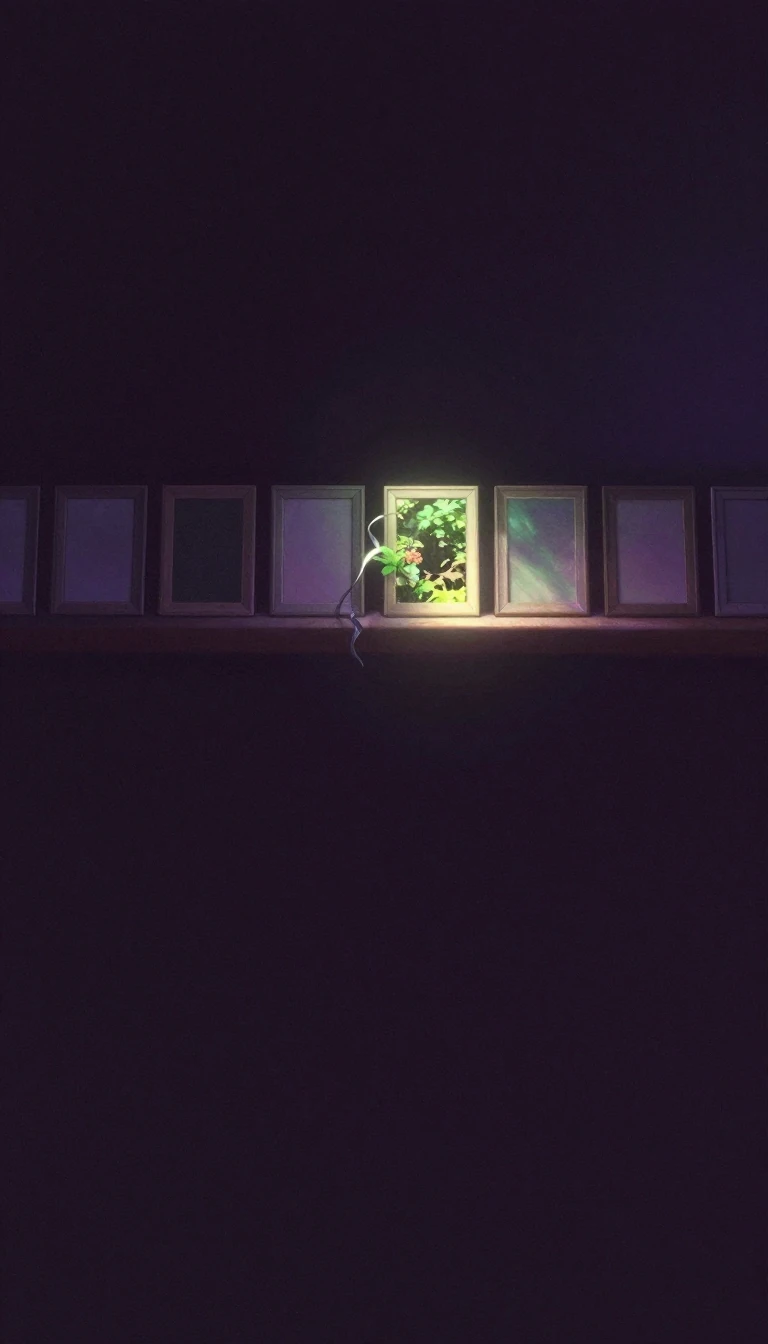
In short: François Truffaut’s 1975 drama explores the obsessive, unrequited love of Adèle Hugo, daughter of the famous writer. Starring a 20-year-old Isabelle Adjani, the film chronicles a woman’s total surrender to a fantasy that eventually consumes her life, blurring the lines between romantic devotion and a tragic, solitary psychological collapse.
The Story of Adèle H. was born from Truffaut’s desire to explore a one-way passion, focusing on a single character rather than the multi-person dynamics of his earlier works. Based on the real diaries of Adèle Hugo, the film depicts her relentless pursuit of Lieutenant Albert Pinson across the globe. After following him to Halifax in 1863, Adèle’s behavior spirals from desperate romantic gestures—such as offering money for his debts—to erratic paranoia and public deception. She eventually claims to be his wife, leading to a life of institutionalization in Saint-Mandé for four decades until her death in 1915.
The production was as intense as the subject matter. Filmed in Guernsey and Senegal between January and March 1975, the project faced significant hurdles, including a legal battle to secure Isabelle Adjani from the Comédie-Française. Truffaut, who famously fell for his leading ladies, described the shoot as a trial, noting Adjani’s genius and her total, sometimes painful, immersion in the role. The film’s aesthetic departed from Truffaut’s usual style, utilizing deep, dark colors and a soundscape reminiscent of classic MGM costume dramas, as noted by critic Vincent Canby.
While the film was a box office disappointment in France, selling 752,160 tickets, it earned widespread critical acclaim. Critics like Roger Ebert and Pauline Kael praised its moody, tidal intensity. Ebert argued that Truffaut found a strange nobility in Adèle’s madness, framing her single-mindedness as a vast, romantic scale that transcended the reality of her rejection. By refusing to alter documented facts, Truffaut crafted a severe meditation on love that remains a singular entry in his filmography, anchored by Adjani’s record-breaking Academy Award nomination as the youngest Best Actress nominee at the time.
Opens the Intellect+ feed with this card first. Swipe up for the next one.
Sources
- Summary by Intellect · source: The Story of Adèle H.
To cite this card, link to https://intellectplus.co.uk/app/entertainment-the-story-of-ad-le-h.
How we source, check and correct cards: Editorial standards.
General information, not professional advice. Spotted an error? Flag the card or see corrections and complaints.
Intellect Plus is a visual educational discovery platform for exploring fascinating facts and ideas. Brain Food, Not Brain Rot. What is Intellect Plus?
Related
More in Films · More in Entertainment · Latest · A–Z · All topics
