How a high-stakes action film turned real train wrecks into cinematic history
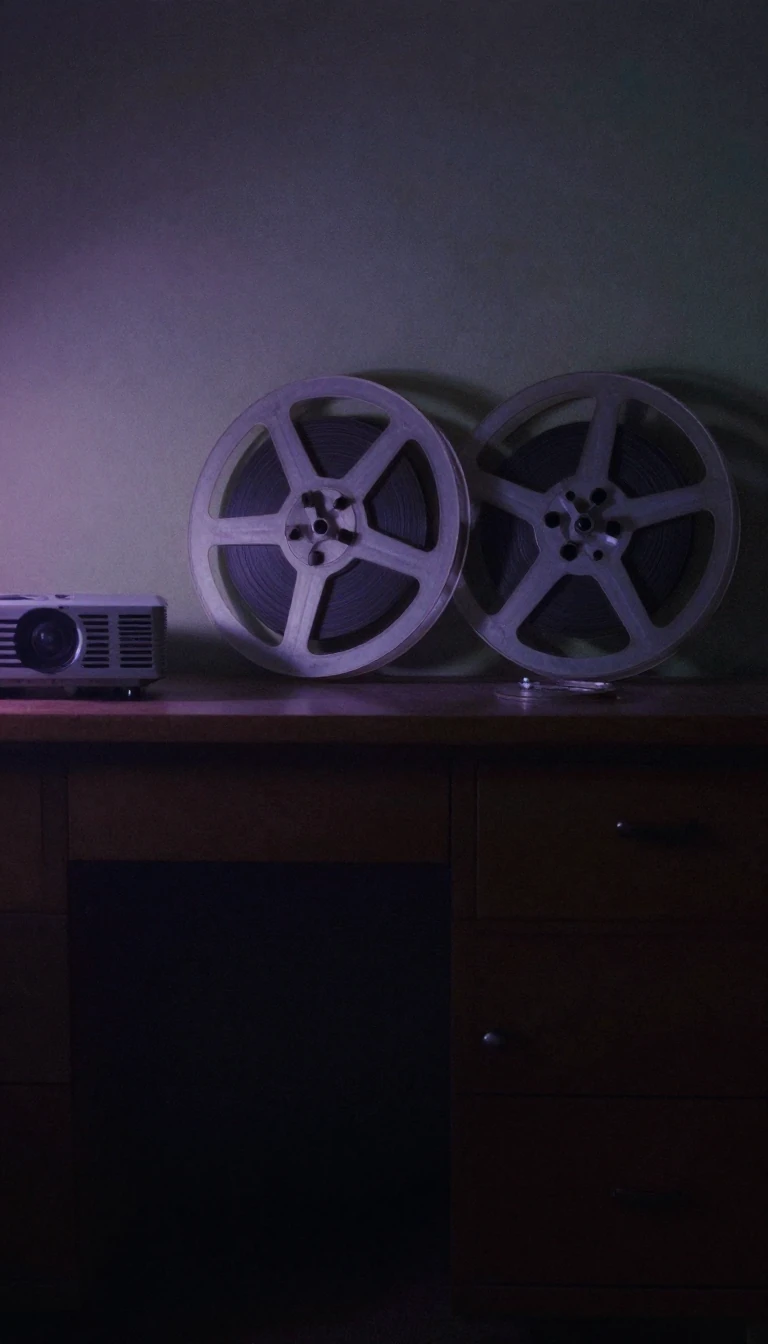
In short: The 1964 film The Train is a masterclass in practical effects, featuring authentic locomotive crashes and real-life sabotage. While the movie depicts a dramatic race to save looted masterpieces from the Nazis, the reality was a slow-motion battle of bureaucratic red tape that kept the stolen art near Paris.
Directed by John Frankenheimer, The Train was born from the chaos of a production overhaul. Originally helmed by Arthur Penn, who favored a character-driven study on the value of art, the project shifted toward high-octane action when star Burt Lancaster insisted on a more visceral approach. This pivot required a massive budget increase and a complete script rewrite, ultimately granting Frankenheimer total creative control, a Ferrari, and the rare distinction of having his name attached to the title.
The film’s intensity is rooted in its commitment to practical, on-location filming. Rather than relying on miniatures, the production utilized actual decommissioned locomotives and real explosives. In one instance, a wreck intended to block the tracks proved more powerful than anticipated, smashing three of the five cameras positioned nearby. The production even coordinated with the French rail authority to use real dynamite for a yard bombing sequence, capturing the genuine shockwaves of the blast on film.
While the film is loosely based on Rose Valland’s non-fiction account of Nazi art looting, the dramatic interception of the train is a fictionalized version of real events. In August 1944, Lt. Alexandre Rosenberg of the Free French forces did seize a train carrying plundered works, but the actual delay was achieved through endless paperwork rather than the explosive sabotage seen on screen. The film’s final, haunting montage—juxtaposing crates of masterpieces with the bodies of murdered hostages—remains a stark reflection of Frankenheimer’s central theme: the brutal, often irreconcilable tension between the preservation of human life and the survival of cultural treasures.
Critically acclaimed upon release, the film grossed $6.8 million and remains a technical marvel of the black-and-white era. Frankenheimer later noted that he was grateful for the monochrome aesthetic, which he believed added a necessary gravity to the story. Today, it stands as a testament to a bygone era of filmmaking where the danger on screen was as tangible as the steel of the locomotives themselves.
Opens the Intellect+ feed with this card first. Swipe up for the next one.
Sources
- Summary by Intellect · source: The Train (1964 film)
To cite this card, link to https://intellectplus.co.uk/app/entertainment-the-train-1964-film.
How we source, check and correct cards: Editorial standards.
General information, not professional advice. Spotted an error? Flag the card or see corrections and complaints.
Intellect Plus is a visual educational discovery platform for exploring fascinating facts and ideas. Brain Food, Not Brain Rot. What is Intellect Plus?
Related
More in Films · More in Entertainment · Latest · A–Z · All topics
