The 1943 Nazi Titanic film was a propaganda disaster that Goebbels eventually banned entirely.
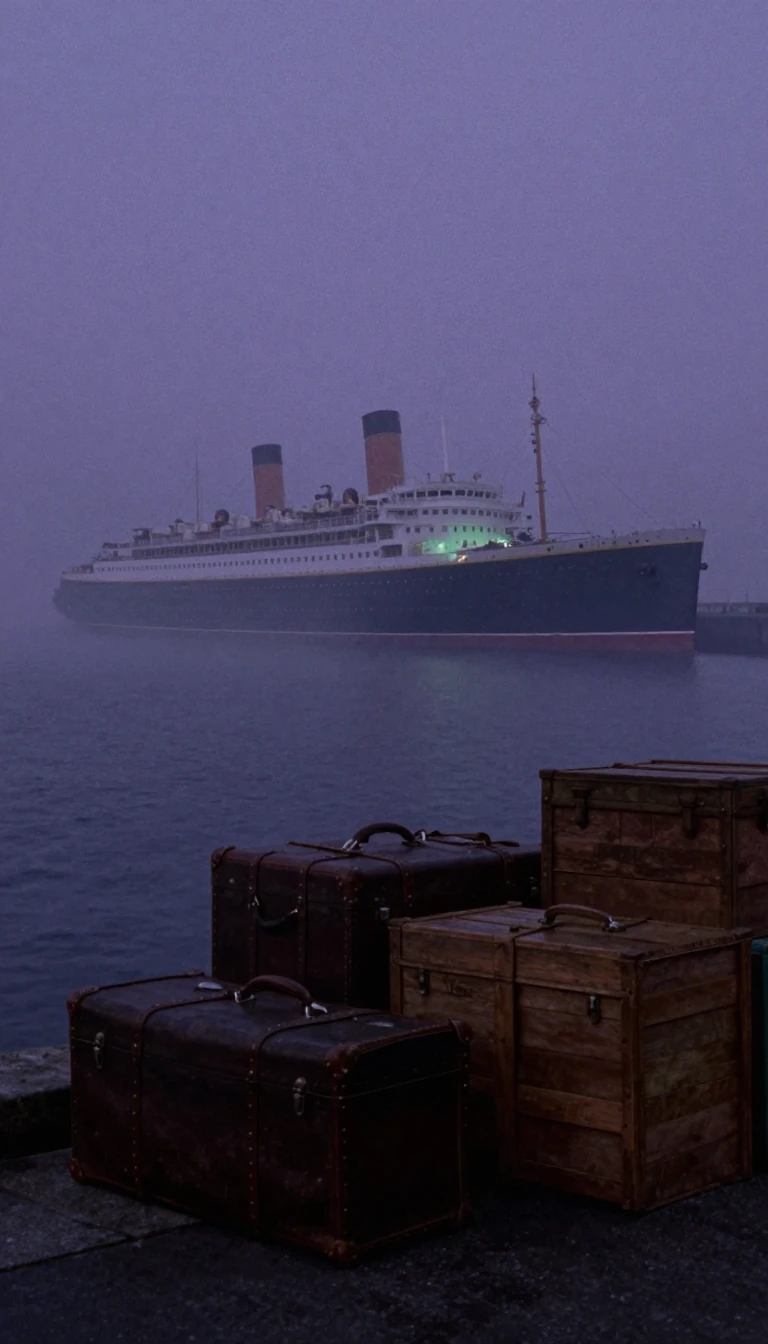
In short: Commissioned to frame the sinking of the Titanic as a failure of British capitalism, this German production became a logistical and political nightmare. Despite its massive budget, the film was suppressed by the Nazi regime itself, fearing its scenes of mass panic would demoralize a population already under heavy Allied bombardment.
Conceived by Tobis story editor Harald Bratt, the 1943 film Titanic was designed as a propaganda vehicle to depict British plutocracy as the true culprit behind the 1912 disaster. The narrative centers on the fictional German officer Petersen, who serves as the moral compass, while the ship's owner, J. Bruce Ismay, is portrayed as a greedy villain who gambles with lives to manipulate stock prices. To emphasize the theme of British avarice, the film even altered the nationality of John Jacob Astor IV from American to British, casting him as a cowardly aristocrat.
The production was plagued by internal strife and the heavy hand of Propaganda Minister Joseph Goebbels. The original director, Herbert Selpin, was arrested after criticizing the Kriegsmarine and was found hanged in his cell within 24 hours. The film was eventually completed by an uncredited Werner Klingler. Despite its status as the most expensive German production to that point, costing nearly 4 million Reichsmarks, it failed to serve its intended purpose. Goebbels banned the film in Germany, worried that its harrowing depictions of panic and death—which mirrored the suffering of German civilians during Allied air raids—would undermine public morale.
Beyond its propaganda failures, the film inadvertently captured imagery that felt uncomfortably close to the reality of Nazi extermination camps, particularly scenes of steerage passengers trapped behind fences. Although it saw limited release in occupied territories like Paris and Prague, it was later banned in West Germany following British objections. Ironically, the ship used for exterior filming, the SS Cap Arcona, was sunk by the Royal Air Force in 1945, resulting in a death toll three times higher than that of the actual Titanic. Today, the film is remembered primarily as a historical curiosity, with clips even appearing in the 1958 British film A Night to Remember.
Opens the Intellect+ feed with this card first. Swipe up for the next one.
Sources
- Summary by Intellect · source: Titanic (1943 film)
To cite this card, link to https://intellectplus.co.uk/app/entertainment-titanic-1943-film.
How we source, check and correct cards: Editorial standards.
General information, not professional advice. Spotted an error? Flag the card or see corrections and complaints.
Intellect Plus is a visual educational discovery platform for exploring fascinating facts and ideas. Brain Food, Not Brain Rot. What is Intellect Plus?
Related
More in Films · More in Entertainment · Latest · A–Z · All topics
