How Terrence Malick turned a semi-autobiographical romance into an abstract dance of light
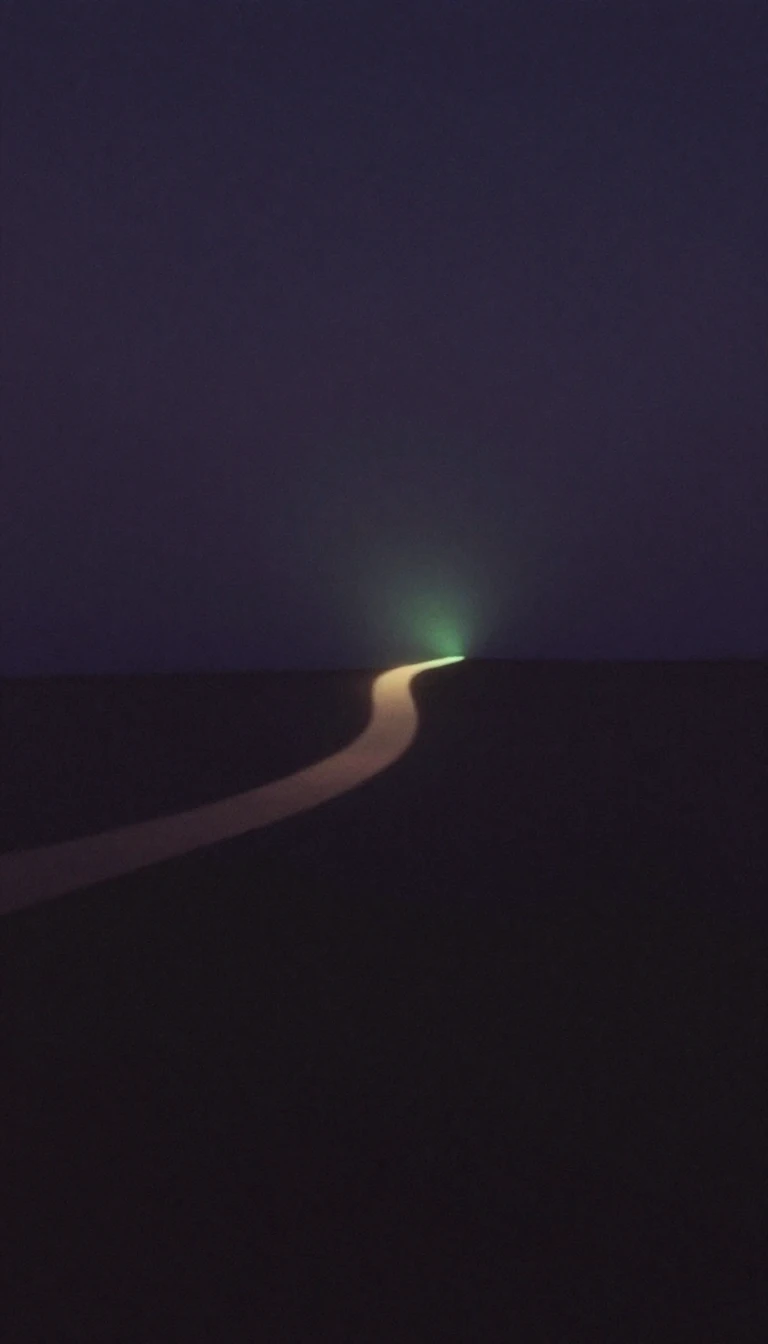
In short: To the Wonder is a 2012 experimental drama that eschews traditional scripts for a fluid, dance-like approach to storytelling. By stripping away conventional dialogue and lighting, director Terrence Malick crafted a polarizing, deeply personal meditation on love, faith, and the search for divinity in the mundane landscapes of Oklahoma and France.
The film, which draws from Malick’s own life in Paris and Oklahoma during the 1980s, follows the turbulent relationship between Neil, an American, and Marina, a Ukrainian divorcée. Their romance, which begins in the shadow of the Mont Saint-Michel abbey, gradually fractures under the pressures of relocation, visa expiration, and spiritual crises. As the couple struggles to maintain their bond, the narrative shifts toward the internal life of Father Quintana, a priest grappling with his own faith while ministering to the poor and imprisoned.
Malick’s production process was famously unconventional. Actors worked without a formal screenplay, and cinematographer Emmanuel Lubezki was instructed to remain in the eye of the hurricane, constantly moving among the characters. This experimental style extended to the editing room, where Malick utilized literary inspirations like Flaubert’s Madame Bovary and the French New Wave films of Godard and Truffaut. The team adopted the motto radiant zigzag becoming to guide the film's elliptical, non-linear structure, resulting in a work that many critics found visually stunning but emotionally elusive.
Upon its 2012 premiere at the Venice Film Festival, the film received mixed reactions, eventually grossing approximately $2,783,139 worldwide. While some reviewers criticized the narrative as somber and unsatisfying, others praised its sacramental quality. Notably, it was the final film reviewed by Roger Ebert, who lauded Malick’s willingness to reveal his spiritual vision. Whether viewed as an abstract cinematic poem or a disjointed drama, the film remains a testament to Malick’s desire to capture the divine presence within the human experience.
Opens the Intellect+ feed with this card first. Swipe up for the next one.
Sources
- Summary by Intellect · source: To the Wonder
- Also: Wikidata — To the Wonder · CC0
- Also: Wikidata — To the Wonder · CC0
To cite this card, link to https://intellectplus.co.uk/app/entertainment-to-the-wonder.
How we source, check and correct cards: Editorial standards.
General information, not professional advice. Spotted an error? Flag the card or see corrections and complaints.
Intellect Plus is a visual educational discovery platform for exploring fascinating facts and ideas. Brain Food, Not Brain Rot. What is Intellect Plus?
Related
More in Films · More in Entertainment · Latest · A–Z · All topics
