A cinematic journey through eighty years of an American life in the Idaho wilderness
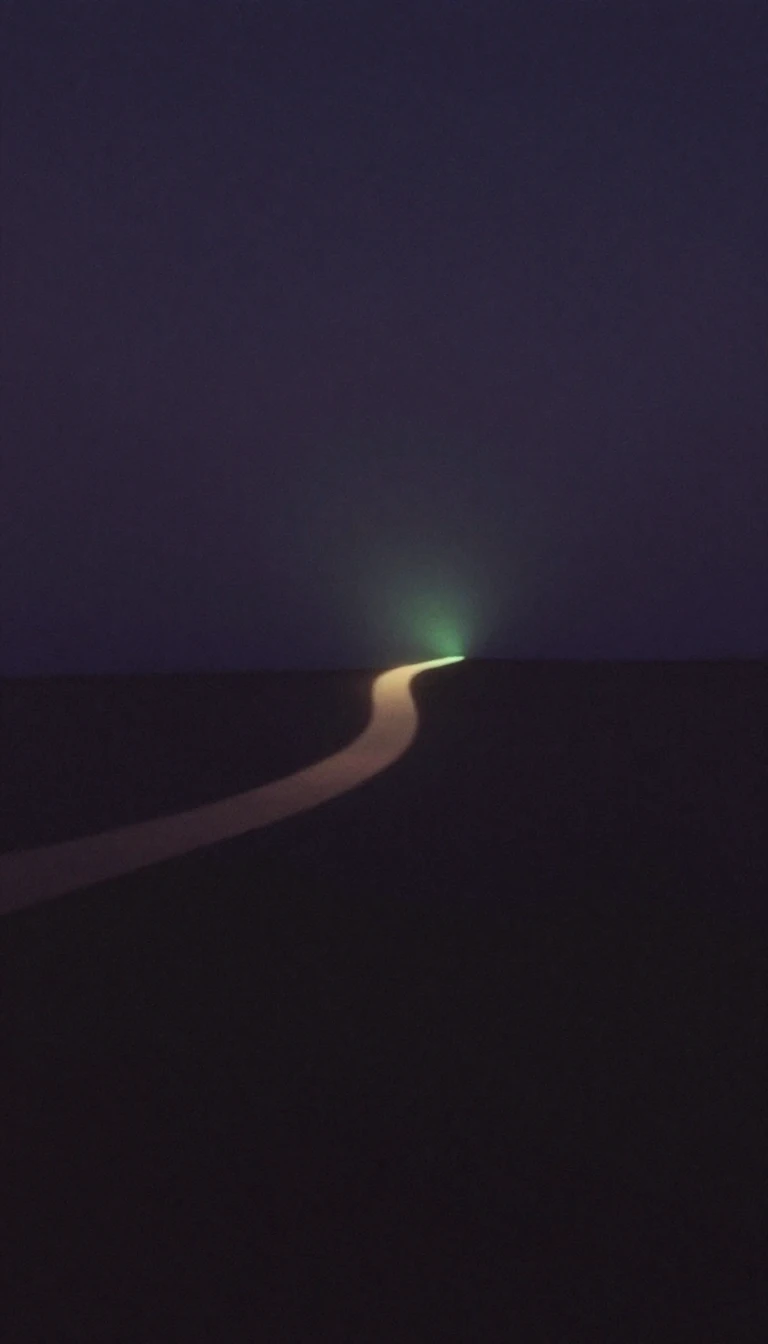
In short: Spanning from 1893 to 1968, this adaptation of Denis Johnson’s novella follows Robert Grainier’s solitary existence in the Pacific Northwest. Directed by Clint Bentley, the film captures a vanishing world of railroads and logging, blending harsh historical realities with a dreamlike, poetic meditation on loss, memory, and the passage of time.
The film chronicles the life of Robert Grainier, an orphan who arrives in Bonners Ferry, Idaho, in 1893. His story is defined by the rugged labor of the era, from railroad construction to seasonal logging. Throughout his journey, Grainier encounters a series of tragedies and fleeting connections, including the loss of his wife, Gladys, and daughter, Kate, in a wildfire. These events leave him to navigate a changing landscape, eventually finding himself an aging man witnessing the dawn of the space age.
Director Clint Bentley, who adapted the screenplay alongside Greg Kwedar, drew inspiration from the stylistic sensibilities of Terrence Malick. The production team utilized natural light and an Arri Alexa 35 camera to achieve its visual aesthetic, filming on location in Washington over a 29-day schedule. To maintain the film's environmental authenticity while adhering to safety protocols, the crew employed artificial props for logging scenes, supplemented by visual effects to recreate the dense forests of the period.
Since its world premiere at the 2025 Sundance Film Festival, the film has garnered significant critical praise, holding an 88 out of 100 score on Metacritic and a 93% approval rating on Rotten Tomatoes. Critics have lauded Joel Edgerton’s performance as Grainier, noting the film's ability to balance brutal historical depictions with a delicate, almost mythic emotional resonance. The project received four nominations at the 98th Academy Awards, including recognition for Best Picture, cementing its status as a standout work of 2025.
The narrative concludes with an elderly Grainier reflecting on his life during a biplane flight, a moment that reconciles his long history of isolation with a sudden, profound sense of connection. As the narrator recounts his death in November 1968, the film leaves viewers with a meditation on the beauty of a life lived in the shadows of the American frontier, underscored by a haunting, atmospheric score.
Opens the Intellect+ feed with this card first. Swipe up for the next one.
Sources
- Summary by Intellect · source: Train Dreams (film)
- Also: Wikidata — Train Dreams · CC0
To cite this card, link to https://intellectplus.co.uk/app/entertainment-train-dreams-film.
How we source, check and correct cards: Editorial standards.
General information, not professional advice. Spotted an error? Flag the card or see corrections and complaints.
Intellect Plus is a visual educational discovery platform for exploring fascinating facts and ideas. Brain Food, Not Brain Rot. What is Intellect Plus?
Related
More in Films · More in Entertainment · Latest · A–Z · All topics
