Can a fabricated death sentence actually save a patient from their own despair?
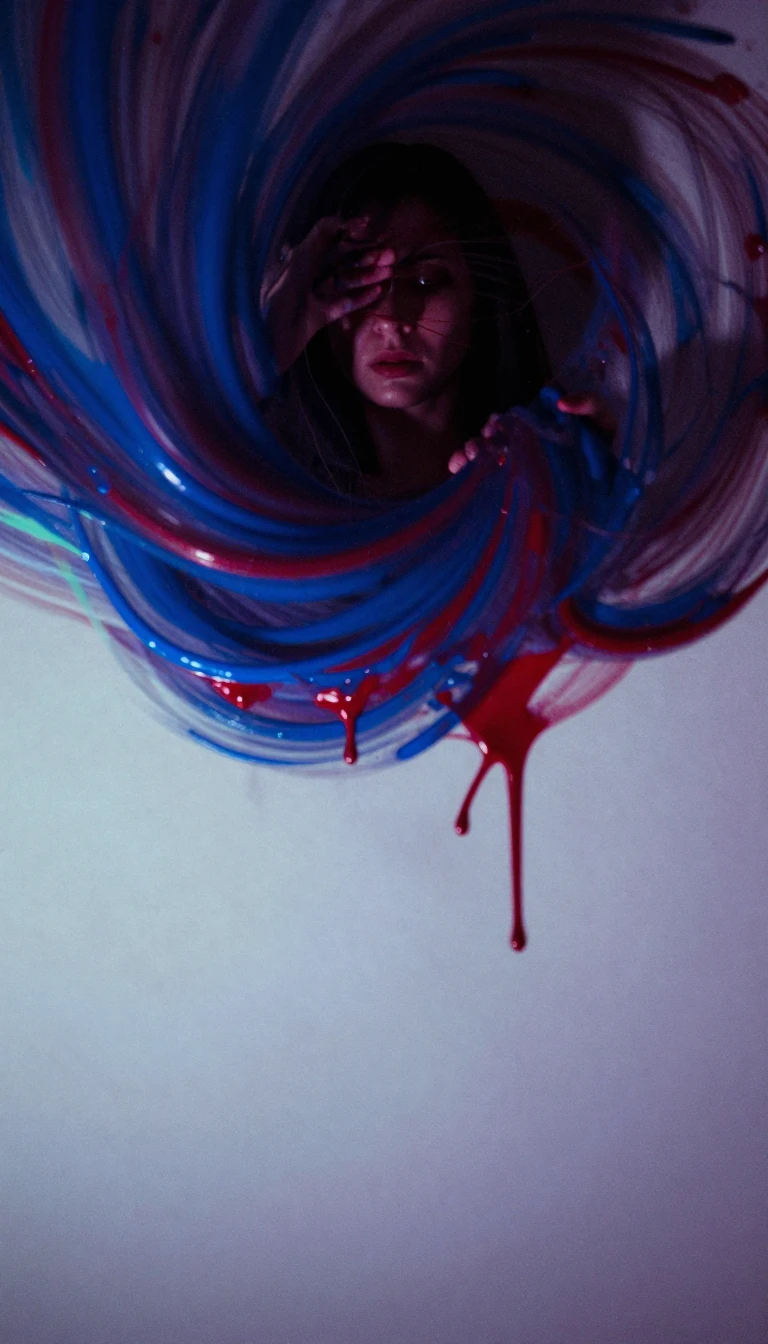
In short: In the 2009 drama Veronika Decides to Die, a depressed woman wakes in an asylum after a failed suicide attempt. Her psychiatrist delivers a chilling prognosis: a terminal aneurysm. But this diagnosis is a calculated deception, a radical experiment designed to force her to finally embrace the value of life.
Directed by Emily Young and starring Sarah Michelle Gellar, the 2009 film relocates the setting of Paulo Coelho’s 1998 novel from Ljubljana to New York City. The narrative follows Veronika Deklava, a woman who feels disconnected from a world she deems unreal. After her suicide attempt, she is institutionalized, only to be told by her psychiatrist, Dr. Blake, that she has mere weeks to live. This diagnosis is entirely fabricated by Blake, who believes that by imposing a sense of impending mortality, he can shock Veronika into finding meaning in her daily existence.
The film explores the tension between parental expectations and personal fulfillment. Veronika’s parents, though financially supportive, pressured her to abandon a musical scholarship at Juilliard in favor of a more practical degree, a decision that contributed to her profound sense of entrapment. Within the asylum, however, Veronika finds an unexpected connection with a fellow patient named Edward. Through their shared experiences and her return to the piano, she begins to rediscover a will to live, eventually escaping the facility with Edward to spend her remaining days in his company.
Dr. Blake’s experiment hinges on the philosophical premise that human beings only truly treasure their time when they believe it is finite. He documents his theory in letters to his estranged wife, arguing that because the actual timing of death is always uncertain for everyone, his lie merely accelerates a realization that should be universal. The film concludes on a note of ambiguity and joy, as the couple celebrates the sunrise, unaware that the ticking clock they are living by is nothing more than a psychological construct designed to save them.
Opens the Intellect+ feed with this card first. Swipe up for the next one.
Sources
- Summary by Intellect · source: Veronika Decides to Die (film)
- Also: Wikidata — Veronika Decides to Die · CC0
To cite this card, link to https://intellectplus.co.uk/app/entertainment-veronika-decides-to-die-film.
How we source, check and correct cards: Editorial standards.
General information, not professional advice. Spotted an error? Flag the card or see corrections and complaints.
Intellect Plus is a visual educational discovery platform for exploring fascinating facts and ideas. Brain Food, Not Brain Rot. What is Intellect Plus?
Related
More in Films · More in Entertainment · Latest · A–Z · All topics
