A cinematic descent into the brutal, burning reality of the 1944 Warsaw Uprising
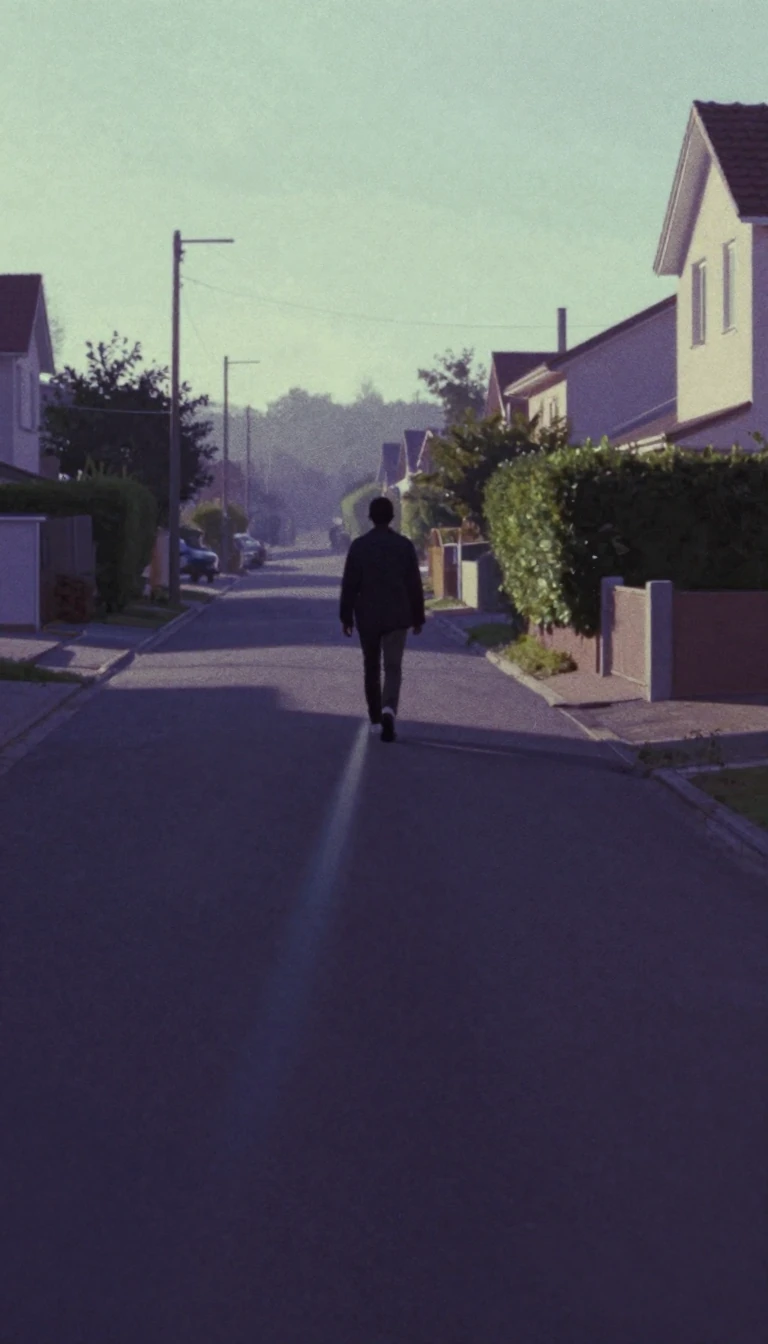
In short: Jan Komasa’s 2014 drama Warsaw 44 captures the harrowing experience of young Polish resistance fighters during the 1944 uprising. Through the eyes of teenager Stefan and his companions, the film blends a tragic love triangle with the apocalyptic destruction of a city systematically razed by German forces.
The film, titled Miasto 44 in Polish, follows Stefan, a young member of the Home Army (AK) who joins the revolt against the German occupiers. His personal journey is defined by his relationships with two women: the wealthy, noble-born nurse Ala, known as Biedronka, and his childhood friend Kama, a dispatch runner. As the uprising unfolds, the narrative shifts from the initial hope of liberation to a brutal struggle for survival amidst the Wola Massacre and the relentless advance of the SS-Dirlewanger penal unit.
Komasa’s production, which spanned nearly eight years, sought to elevate the Warsaw Uprising into global consciousness. Because the original city was almost entirely destroyed during the conflict, the film relies heavily on computer-generated imagery to recreate the historic landscape. Battle sequences were filmed across various locations, including an abandoned factory in Łódź and sites in Lower Silesia, while the score by Antoni Łazarkiewicz underscores the film's somber, visceral tone.
The film’s climax is a haunting reflection on loss. After witnessing the deaths of his friends and the systematic destruction of Warsaw, Stefan finds himself alone on a sandbar in the Vistula River. While the visual sequence suggests a reunion with Ala, the director has confirmed that she was murdered by a soldier, leaving Stefan to witness the city’s ruins in isolation. The film concludes by bridging this historical trauma with the modern skyline of Warsaw, emphasizing the enduring weight of the 1944 events.
Released to coincide with the 70th anniversary of the uprising, the film premiered to an audience of 15,000 at Warsaw’s National Stadium. It garnered significant critical recognition, including awards for Best Actress, Sound, and Special Effects at the Gdynia Film Festival, as well as international acclaim with two Golden Rooster Awards from the China Film Association.
Opens the Intellect+ feed with this card first. Swipe up for the next one.
Sources
- Summary by Intellect · source: Warsaw 44
- Also: Wikidata — Warsaw 44 · CC0
To cite this card, link to https://intellectplus.co.uk/app/entertainment-warsaw-44.
How we source, check and correct cards: Editorial standards.
General information, not professional advice. Spotted an error? Flag the card or see corrections and complaints.
Intellect Plus is a visual educational discovery platform for exploring fascinating facts and ideas. Brain Food, Not Brain Rot. What is Intellect Plus?
Related
More in Films · More in Entertainment · Latest · A–Z · All topics
