A 1941 Western film that traded historical reality for high-stakes Technicolor drama
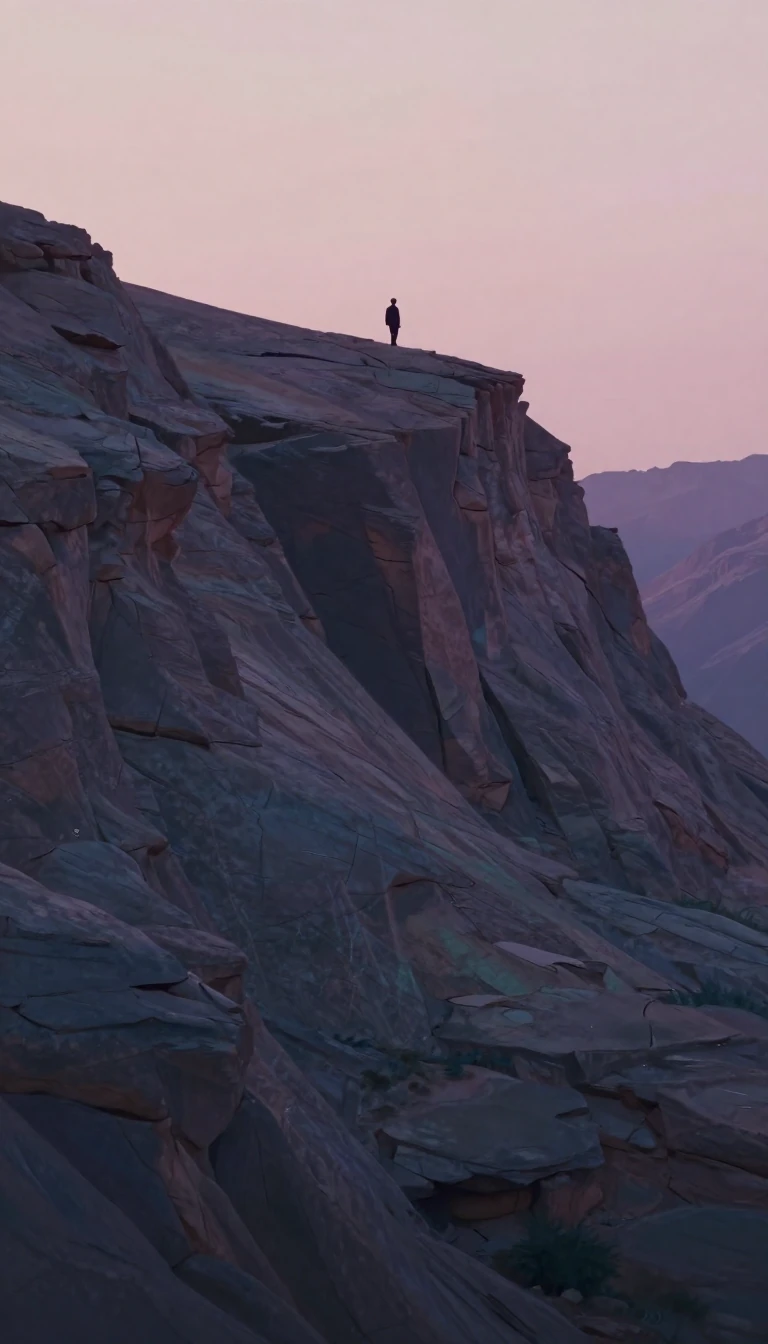
In short: Fritz Lang’s 1941 film Western Union depicts the heroic construction of a telegraph line across the Great Plains. While visually stunning and praised for its action, the movie fabricates intense conflicts with Native American tribes that never occurred, ignoring the genuine cooperation that defined the real project’s history.
Released in 1941 and directed by Fritz Lang, Western Union is a Technicolor production filmed on location in Arizona and Utah. Based on a 1939 novel by Zane Grey, the film tells the story of Vance Shaw, a reformed outlaw who joins a telegraph construction crew in 1861. As the team works to connect Omaha, Nebraska, to Salt Lake City, Utah, they face constant sabotage from Confederate-backed outlaws and hostile tribes. The plot centers on the tension between Shaw and a Harvard-educated engineer, Richard Blake, as they compete for the affection of Sue, the sister of chief engineer Edward Creighton.
The film’s portrayal of the telegraph project is largely fictional. In reality, the historical Edward Creighton was known for his humane and honest treatment of the tribes along the right of way. Far from the film's depiction of protests and violent resistance, Creighton’s approach earned him the trust and cooperation of the local people, and the installation of the telegraph wires was not met with any such opposition. The movie’s dramatic conflicts—including the burning of the camp and the skirmishes with tribes—are inventions designed to heighten the excitement of the narrative.
Despite these historical inaccuracies, the film was lauded upon its release. Reviewer Bosley Crowther of The New York Times praised it as spectacular entertainment, specifically highlighting the superior acting performances and the breathtaking use of Technicolor to capture the vast prairie landscapes. The film features Randolph Scott as the scout Shaw, Dean Jagger as Creighton, and Robert Young as the tenderfoot Blake. The Academy Film Archive later preserved the film in 2000, ensuring the survival of this classic example of mid-century Hollywood myth-making.
The film’s legacy remains tied to its visual impact rather than its historical fidelity. By transforming a logistical feat into a high-stakes adventure, Lang created a work that prioritized cinematic tension over the true, more peaceful story of the telegraph's expansion. While the characters and their rivalries are compelling, they serve as a reminder of how Westerns often reshaped the American frontier into a theater of conflict for the sake of the screen.
Opens the Intellect+ feed with this card first. Swipe up for the next one.
Sources
- Summary by Intellect · source: Western Union (film)
- Also: Wikidata — Western Union · CC0
To cite this card, link to https://intellectplus.co.uk/app/entertainment-western-union-film.
How we source, check and correct cards: Editorial standards.
General information, not professional advice. Spotted an error? Flag the card or see corrections and complaints.
Intellect Plus is a visual educational discovery platform for exploring fascinating facts and ideas. Brain Food, Not Brain Rot. What is Intellect Plus?
Related
More in Films · More in Entertainment · Latest · A–Z · All topics
