A 1960 drama captures the human cost of progress in the American South
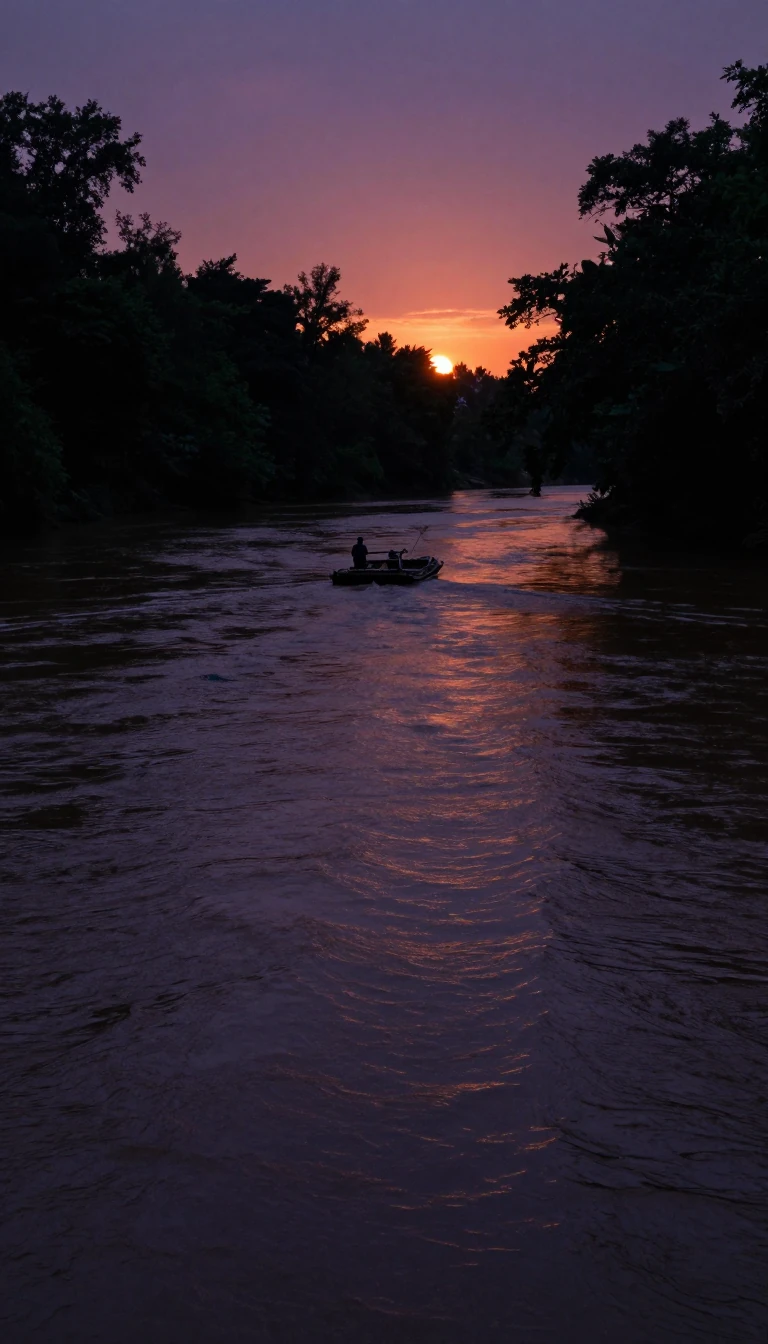
In short: Directed by Elia Kazan, Wild River explores the clash between the Tennessee Valley Authority and a stubborn matriarch refusing to abandon her ancestral island. Beyond the dam construction, the film exposes the brutal reality of labor exploitation and racial tension in the 1930s, ultimately questioning the price of modernization.
Set in 1937, the film follows Chuck Glover, a Tennessee Valley Authority official tasked with clearing land for a new hydroelectric dam. His primary obstacle is Ella Garth, an elderly woman who has lived on Garth Island for decades and views the taming of rivers as a violation of nature. The narrative, adapted from novels by Borden Deal and William Bradford Huie, weaves together the bureaucratic struggle for land acquisition with a deeply personal story of family legacy and the changing social fabric of the rural South.
The film is notable for its unflinching look at the era's racial dynamics. While the TVA attempts to modernize the region, local power structures resist, particularly regarding the employment of African-American laborers. Glover faces threats for his refusal to implement segregated work gangs or lower wages for black workers. This tension culminates in violence, as local landowners, represented by the character R. J. Bailey, use intimidation and physical assault to maintain their control over sharecroppers who seek better pay through the TVA.
Beyond its historical setting, Wild River serves as a character study of resistance and adaptation. Through the eyes of Ella’s granddaughter, Carol Baldwin, the film examines the personal toll of displacement and the possibility of finding a new path amidst destruction. The production itself sought authenticity, filming on location in Bradley County, Tennessee, using the Hiwassee River and the town of Charleston to ground the story in the landscape it depicts. Principal photography began on October 19, 1959, and concluded in early 1960.
In 2002, the Library of Congress selected Wild River for preservation in the National Film Registry, recognizing its enduring significance. Critics at the time, including those at Variety, praised the film for its ability to distill complex socio-economic progress into a timeless human story. By focusing on the conflict between those who enforced change and those who resisted it, the film remains a poignant examination of the American spirit during a period of profound transformation.
Opens the Intellect+ feed with this card first. Swipe up for the next one.
Sources
- Summary by Intellect · source: Wild River (film)
To cite this card, link to https://intellectplus.co.uk/app/entertainment-wild-river-film.
How we source, check and correct cards: Editorial standards.
General information, not professional advice. Spotted an error? Flag the card or see corrections and complaints.
Intellect Plus is a visual educational discovery platform for exploring fascinating facts and ideas. Brain Food, Not Brain Rot. What is Intellect Plus?
Related
More in Films · More in Entertainment · Latest · A–Z · All topics
